|
 |
 | | | | | | |||||||||||||||||||||||||||||||||||||||||||||||||||||||||||||||||||||||||||||||||||||||||||||||||||||||||||||||||||||||||||||||||||||||||||||||||||||||||||||||||||||||||||||||||||||||||||||||||||||||||||||||||||||||||||||||||||||||||||||||||||||||||||||
| | | You are in: Middle East | |||||||||||||||||||||||||||||||||||||||||||||||||||||||||||||||||||||||||||||||||||||||||||||||||||||||||||||||||||||||||||||||||||||||||||||||||||||||||||||||||||||||||||||||||||||||||||||||||||||||||||||||||||||||||||||||||||||||||||||||||||||||||||||||
|
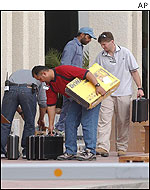
| | Wednesday, 27 November, 2002, 14:12 GMT First Iraq inspection completed 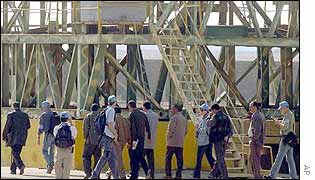 One of the teams inspected a graphite plant United Nations weapons inspectors have completed their first field visit in Iraq for four years.
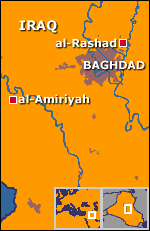
Their findings could determine whether the US carries out its threat to lead a military assault on the country. UN Secretary General Kofi Annan said the work had got off to "a fairly good start" and urged Baghdad to sustain co-operation. The inspections were authorised by the UN Security Council in a resolution unanimously agreed earlier this month, which aims to compel Iraq to disarm or face "serious consequences". 'No problems' Two teams set off from the UN's Baghdad offices at the former Canal Hotel at 0530 GMT. One drove to a site north-east of the capital, the other to a graphite plant in al-Amariyah, 40 kilometres south-west of Baghdad.
The BBC's Ben Brown in Baghdad says the inspectors caused traffic chaos as they drove off at high speed in white Land Cruisers, pursued by journalists. The team our correspondent was following visited the al-Tahadi factory, in the al-Rashad suburb about 13 kilometres (8 miles) north-east of the capital. The plant's director, Haitham Mahmoud, showed journalists around and told them the factory made machine parts for use in oil and cement production - nothing to do with weapons of mass destruction. "We were surprised by the arrival of the UN inspectors, but we co-operated fully with them," he said.
The inspectors left after three hours. "They told us there were no problems," the director said. The inspectors themselves have not released any details of their visit. Both sites are reported to have been inspected in the 1990s, before UN inspectors left the country complaining that Iraqi officials were obstructing their work. As the inspections began, air raid sirens sounded over Baghdad. Iraqi officials say they were set off by Western planes flying over the city. The Iraqi capital is just north of a southern no-fly zone regularly patrolled by US and British planes.
In the days ahead, the UN inspectors are expected to spread out over Iraq in search of mobile laboratories, underground factories and other signs of banned Iraqi weapons production. Under the terms of the resolution, Baghdad has until 8 December to produce a list of any nuclear, chemical or biological weapons in its arsenal - the accuracy of which weapons inspectors will be asked to verify.
The Iraqi leadership has vehemently denied possessing any such weapons. The resolution also demands that Iraq provide complete access to all sites, including mosques and Saddam Hussein's presidential palaces - locations which inspectors were frequently turned away from in the 1990s. "The Iraqis understand that the games that we saw in the 1990s will not be tolerated by us or the international community," said Melissa Fleming, spokeswoman for the International Atomic Energy Agency (IAEA). Evidence required Although the inspectors have refused to reveal their itinerary, it is thought they will concentrate first on installations that were inspected in the 1990s, to see if equipment left there is still working. Eventually there will be 100 inspectors working in Iraq at any one time - including biologists, chemists, missile and ordnance experts, engineers and physicists. Correspondents say it could take the team up to a year to produce a final verdict on whether Iraq has a weapons programme, and if so, how dangerous it is. On top of the evidence his team collects, chief weapons inspector Hans Blix has told Baghdad that it must provide "convincing" proof that it no longer has weapons of mass destruction. | |
See also:  27 Nov 02 | Middle East 27 Nov 02 | Middle East 26 Nov 02 | Middle East 25 Nov 02 | Media reports 25 Nov 02 | Politics 18 Nov 02 | Middle East 27 Nov 02 | Middle East 27 Nov 02 | Middle East Internet links: The BBC is not responsible for the content of external internet sites Top Middle East stories now: Links to more Middle East stories are at the foot of the page. | |||||||||||||||||||||||||||||||||||||||||||||||||||||||||||||||||||||||||||||||||||||||||||||||||||||||||||||||||||||||||||||||||||||||||||||||||||||||||||||||||||||||||||||||||||||||||||||||||||||||||||||||||||||||||||||||||||||||||||||||||||||||||||||
| |
|  E-mail this story to a friend E-mail this story to a friend |
| |
| Links to more Middle East stories |
| | | ||
 | ||||
 | | Back to top
| ||
| ---------------------------------------------------------------------------------- To BBC Sport>> | To BBC Weather>> | To BBC World Service>> ---------------------------------------------------------------------------------- © MMIII | News Sources | Privacy |