|
 |
 | | | | | | ||||||||||||||||||||||||||||||||||||||||||||||||||||||||||||||||||||||||||||||||||||||||||||||||||||||||||||||||||||||||||||||||||||||||||||||||||||||||||||||||||||||||||||||||||||||||||||||||||||||||||||||||||||||||||||||||||||||||
| | | You are in: Middle East | ||||||||||||||||||||||||||||||||||||||||||||||||||||||||||||||||||||||||||||||||||||||||||||||||||||||||||||||||||||||||||||||||||||||||||||||||||||||||||||||||||||||||||||||||||||||||||||||||||||||||||||||||||||||||||||||||||||||||||
|
| | Wednesday, 18 September, 2002, 09:26 GMT 10:26 UK Iraq offer receives mixed reaction 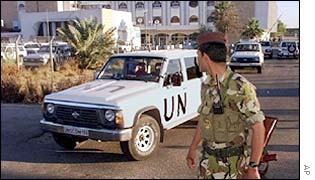 The US dismissed Iraq's offer to readmit inspectors Iraq says it is ready to readmit United Nations weapons inspectors, but the United States has dismissed the offer as a tactical ploy. Other international reaction has varied widely. Britain expressed scepticism, warning that Iraq had a history of playing games. Israel's Foreign Minister Shimon Peres, in New York to meet US Secretary of State Colin Powell, was equally sceptical.
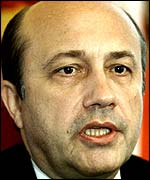
"Dishonest people know how to overcome this easily. Anyway, we have to remember that the secretary general presented a few other demands, this is not the only demand." But Russia welcomed the move and said the threat of war had been averted. "Thanks to our joint efforts, we managed to avert the threat of a war scenario and go back to political means of solving the Iraqi problem," Foreign Minister Igor Ivanov said. France's Foreign Minister Dominique de Villepin said the council "must now hold Saddam Hussein to his word". China's Foreign Minister, Tang Jiaxuan, expressed relief over the Iraqi move. "The Iraqi decision is what the international community, including China, has always hoped to see," Mr Tang said in an interview at the UN in New York with Xinhua news agency.
The US, Britain, France, Russia and China are the UN Security Council's five permanent members with veto power. Germany welcomed Iraq's offer as a "step in the right direction" that could head off war. "This gives the United Nations the opportunity for a political solution," Foreign Minister Joschka Fischer said in a statement. "The united approach within the framework of the United Nations is showing its first results." Iran welcomed Iraq's decision to readmit inspectors, and voiced its opposition to unilateral military action. "Iran hopes the problem will be resolved without resorting to the use of force and pressure on the oppressed Iraqi people," a state-run radio broadcast said. Any action against Iraq should be taken on the basis of full unanimity and within the UN Charter, Iranian President Mohammad Khatami was quoted as saying. Jordan hailed Iraq's decision as "wise". A government statement described the move as "a positive step on the road to building a constructive dialogue between Iraq and the United Nations to implement UN resolutions leading to the lifting of sanctions".
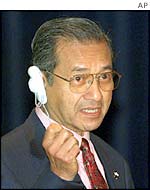
Jordan hoped "that this step will lead to defusing the crisis that hangs over the entire region," the statement said. Egypt's Foreign Minister, Ahmed Maher, rebuffed US calls for a tough, new UN Security Council resolution on Iraq despite the offer. "We see no reason to go to the Security Council now except to register this agreement," he said. Syria's Foreign Minister Faruq al-Shara said Iraq had shown "enough flexibility", and called for a diplomatic solution and the eventual lifting of UN sanctions. In South Africa, former President Nelson Mandela condemned the US for dismissing the invitation, and accused Washington of "bullying" Iraq. "If President Saddam Hussein has said the United Nations inspectors can come without condition, what right has he [US President George W Bush] to come in and say that offer is not genuine?" a visibly angry Mr Mandela asked reporters at his Johannesburg office. "On this question of Iraq they are absolutely wrong. It is the United Nations that must decide. We must condemn that very strongly. That's why I criticise most leaders all over the world for keeping quiet when one country wants to bully the whole world," Mr Mandela said. In Malaysia, Prime Minister Mahathir Mohamad said the West should reward Iraq's willingness to readmit inspectors by lifting sanctions.
"Sanctions are not hurting Saddam Hussein," the prime minister said. "They are hurting a lot of poor people, old people, pregnant mothers. You are not doing anything good by punishing them for something they are not responsible for." Australia's foreign minister greeted the offer with cautious optimism. "On the face of it, without wishing to be locked into this position, it does sound like a promising development," Alexander Downer told Southern Cross radio. New Zealand Prime Minister Helen Clark called the announcement "a triumph of diplomacy" and said her nation was ready to participate in the UN's weapons inspection mission. "If the weapons inspectors are allowed to get back in and finish the job, hopefully we can put the issue of Iraq behind us as a threat to the world and get the focus back on some of the other outstanding problems, like Israel and Palestine, which needs the goodwill of the Arab world to be resolved," Ms Clark said. | |
See also:  17 Sep 02 | Americas 17 Sep 02 | Middle East 16 Sep 02 | Americas 16 Sep 02 | Middle East 14 Sep 02 | Middle East 12 Sep 02 | Middle East 16 Sep 02 | Middle East 09 Sep 02 | Middle East 06 Sep 02 | Middle East Internet links: The BBC is not responsible for the content of external internet sites Top Middle East stories now: Links to more Middle East stories are at the foot of the page. | ||||||||||||||||||||||||||||||||||||||||||||||||||||||||||||||||||||||||||||||||||||||||||||||||||||||||||||||||||||||||||||||||||||||||||||||||||||||||||||||||||||||||||||||||||||||||||||||||||||||||||||||||||||||||||||||||||||||||
| |
|  E-mail this story to a friend E-mail this story to a friend |
| |
| Links to more Middle East stories |
| | | ||
 | ||||
 | | Back to top
| ||
| ---------------------------------------------------------------------------------- To BBC Sport>> | To BBC Weather>> | To BBC World Service>> ---------------------------------------------------------------------------------- © MMIII | News Sources | Privacy |