|
 |
 | | | | | | ||||||||||||||||||||||||||||||||||||||||||||||||||||||||||||||||||||||||||||||||||||||||||||||||||||||||||||||||||||||||||||||||||||||||||||||||||||||||||||||||||||||||||||||||||||||||||||||
| | | You are in: Middle East | ||||||||||||||||||||||||||||||||||||||||||||||||||||||||||||||||||||||||||||||||||||||||||||||||||||||||||||||||||||||||||||||||||||||||||||||||||||||||||||||||||||||||||||||||||||||||||||||||
|
| | Tuesday, 10 September, 2002, 21:26 GMT 22:26 UK Iraq's bid for nuclear technology 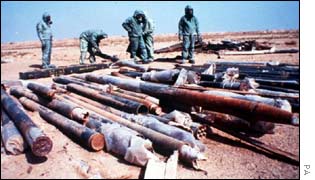 Sarin-filled rockets were found in Iraq after the Gulf War
Left to its own devices, Iraq could take many years to acquire a nuclear bomb. Years of work and a wealth of human expertise are all very well, but without fissile material and an array of sophisticated equipment, they don't make a bomb. According to the International Institute for Strategic Affairs, Iraq "may have completed the necessary preparations to build a nuclear weapon", but simply lacks the highly enriched uranium (HEU) needed to do it. "Iraq could produce a nuclear weapon on fairly short notice if it was somehow able to acquire sufficient nuclear material from a foreign source," notes the IISS report published on Monday, "but there is no evidence that Iraq has done so." That may be so, but some experts warn that it's perhaps only a matter of time before Iraq succeeds. Previous warnings In 1996, former CIA director John Deutch, told a Senate subcommittee that "Iraq would seize any opportunity to buy nuclear weapons materials or a complete weapon".
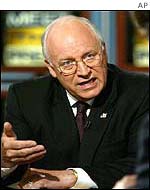
Following the collapse of the Soviet Union, which prompted fears of a much less regulated nuclear environment, Iraq expanded its procurement network in an attempt to exploit new opportunities. In 1995, UN weapons inspectors discovered that Iraq had successfully acquired sophisticated guidance and control components for proscribed ballistic missiles. UNSCOM fished thirty gyroscopes - from eliminated Russian ballistic missiles - from the Tigris river, after they were apparently dumped there by Iraqi officials involved in the covert acquisition. If US officials are to be believed, Iraqi efforts to obtain nuclear components continue to this day. On Sunday, US Vice President, Dick Cheney, said America had intercepted a shipment of aluminium tubes designed for a centrifuge to enrich uranium for nuclear weapons.
"What we have seen recently is that Saddam Hussein now is trying through his illicit procurement network to acquire the equipment he needs to be able to enrich uranium," Mr Cheney said. Experts say the shipment does not necessarily prove anything. "It's disturbing," says John Wolfstahl, deputy director of the Non-Proliferation Project, at the Carnegie Endowment, "but by no means a smoking gun." "It's a weak indicator," says David Albright, president of the Washington-based Institute for Science and International Security. "A lot of people disagree with Cheney." Regular offers When it comes to efforts to acquire fissile material, there's little hard evidence. But in the words of an expert with first hand knowledge of UN inspections, "this was always our biggest worry". "The Iraqis said they were being approached all the time with offers of plutonium and highly-enriched uranium," says Mr Albright, who was in Baghdad in 1996. He says Iraqi officials were much too suspicious to accept unsolicited offers of this kind, but he has little doubt that they were trying to obtain fissile material. "There's stuff being smuggled all the time," he adds. "Getting it into Iraq would be pretty straightforward." | |
See also:  09 Sep 02 | Middle East 10 Sep 02 | Americas 09 Sep 02 | Americas 09 Sep 02 | UK Top Middle East stories now: Links to more Middle East stories are at the foot of the page. | ||||||||||||||||||||||||||||||||||||||||||||||||||||||||||||||||||||||||||||||||||||||||||||||||||||||||||||||||||||||||||||||||||||||||||||||||||||||||||||||||||||||||||||||||||||||||||||||
| |
|  E-mail this story to a friend E-mail this story to a friend |
| |
| Links to more Middle East stories |
| | | ||
 | ||||
 | | Back to top
| ||
| ---------------------------------------------------------------------------------- To BBC Sport>> | To BBC Weather>> | To BBC World Service>> ---------------------------------------------------------------------------------- © MMIII | News Sources | Privacy |