|
 |
 | | | | | | |||||||||||||||||||||||||||||||||||||||||||||||||||||||||||||||||||||||||||||||||||||||||||||||||||||||||||||||||||||||||||||||||||||||||||||||||||||||||||||||||||||||||||||||||||||||||||||||||||||||||||||||||||||||||||||||||||||||||||||||||||||||||||||||
| | | You are in: World: Americas | |||||||||||||||||||||||||||||||||||||||||||||||||||||||||||||||||||||||||||||||||||||||||||||||||||||||||||||||||||||||||||||||||||||||||||||||||||||||||||||||||||||||||||||||||||||||||||||||||||||||||||||||||||||||||||||||||||||||||||||||||||||||||||||||||
|
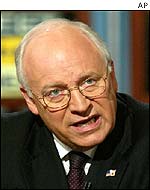
| | Tuesday, 10 September, 2002, 05:31 GMT 06:31 UK Clock ticking on Iraq, US warns 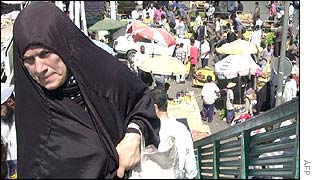 Iraq is braced for a US attack The United States has warned that time is running out to thwart the nuclear ambitions of Iraqi leader Saddam Hussein, whom UK Prime Minister Tony Blair has labelled an "international outlaw". US Vice-President Dick Cheney, an advocate of pre-emptive action to topple Saddam Hussein, said: "Time is not on our side. "Once he's got a nuclear weapon I think it'll be virtually impossible to put together an international coalition to deal with this problem," he said in a US television interview.
Recalling the 30-nation allied coalition mobilised in the 1991 Gulf war, Mr Cheney said that faced with a nuclear-armed Iraq "I think most of them would take a pass". He also downplayed speculation that the US would make its dossier about Iraq's weapons public. The US could not risk destroying its "capacity to be able to know what's going on in a crucial, crucial area," he said. Blair targets Saddam In a key speech to UK trade unions on Tuesday, Mr Blair will insist on decisive action to stop Iraq acquiring a nuclear capability.
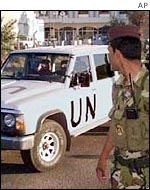
"We cannot stand by and do nothing. We should do everything we can to stop him using the weapons he has got and the weapons he wants," Mr Blair is expected to say, describing Saddam Hussein as an "international outlaw". Among European nations, only Britain has voiced support for the US drive to topple Saddam Hussein. UN Secretary-General Kofi Annan has warned world leaders to think carefully about the consequences of military action against Iraq. Mr Annan, who has argued that diplomacy should still be allowed to run its course, said it was time for the UN Security Council to make its views heard. "The question is the morning after. What sort of Iraq do we wake up to after the bombing?," Mr Annan said. "And what happens in the region? What impact would it have?" UN debate His comments come ahead of the annual UN general assembly debate which begins in New York later this week. Among the first speakers is US President George W Bush, who is seeking support for his campaign to topple Saddam Hussein.
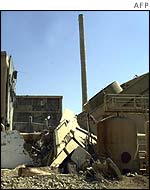
In a new report published on Monday, an influential London think-tank said Baghdad could produce a nuclear weapon within months. However, the International Institute for Strategic Studies said Saddam Hussein would first need to obtain supplies of radioactive material. It also concluded that Iraq has probably been successful in hiding large stockpiles of chemical and biological weapons from UN inspectors, as well as a small number of long-range missiles. Iraqi media tour Iraqi officials escorted western reporters to two sites on Monday in an effort to show that Saddam Hussein was not rebuilding sites linked to past nuclear projects or training terrorists. Former UN weapons inspector Scott Ritter, who accompanied reporters to Salman Pak, 40 kilometres (25 miles) east of Baghdad, said the base was being used for anti-hijack training - not for terrorism training. Reporters also toured the Al-Tammuz reactor site at Al-Toweitheh, 40 km south of Baghdad. The UN says there has been unexplained activity at the site, but the Iraqis claim the facility is used for pharmaceutical research. US diplomatic push Mr Bush is expected to set out his case for dealing with the threat posed by Iraq on Thursday.
The BBC's Greg Barrow at the UN in New York says there is much talk among diplomats about the possibility of adopting a new resolution demanding that Iraq re-admits UN weapons inspectors. Last week, President Bush was reported to be considering asking for a resolution that would set a deadline for weapons inspections to resume. French President Jacques Chirac has proposed a two-stage plan that could lead to UN authorisation of military force against Iraq. Such a process would begin with a Security Council resolution giving Baghdad three weeks to readmit arms inspectors. If Iraq failed to comply, another resolution could back the use of force, Mr Chirac said, appearing to soften France's previous opposition to US plans. | |
See also:  09 Sep 02 | Middle East 09 Sep 02 | Middle East 09 Sep 02 | Americas 09 Sep 02 | Americas 06 Sep 02 | World Internet links: The BBC is not responsible for the content of external internet sites Top Americas stories now: Links to more Americas stories are at the foot of the page. | |||||||||||||||||||||||||||||||||||||||||||||||||||||||||||||||||||||||||||||||||||||||||||||||||||||||||||||||||||||||||||||||||||||||||||||||||||||||||||||||||||||||||||||||||||||||||||||||||||||||||||||||||||||||||||||||||||||||||||||||||||||||||||||||
| |
|  E-mail this story to a friend E-mail this story to a friend |
| |
| Links to more Americas stories |
| | | ||
 | ||||
 | | Back to top
| ||
| ---------------------------------------------------------------------------------- To BBC Sport>> | To BBC Weather>> | To BBC World Service>> ---------------------------------------------------------------------------------- © MMIII | News Sources | Privacy  |