|
 |
 | | | | | | ||||||||||||||||||||||||||||||||||||||||||||||||||||||||||||||||||||||||||||||||||||||||||||||||||||||||||||||||||||||||||||||||||||||||||||||||||
| | | You are in: In Depth: dot life | ||||||||||||||||||||||||||||||||||||||||||||||||||||||||||||||||||||||||||||||||||||||||||||||||||||||||||||||||||||||||||||||||||||||||||||||||||||
|
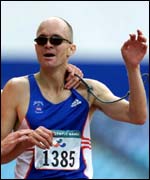
| |  Monday, 9 December, 2002, 13:23 GMT Monday, 9 December, 2002, 13:23 GMT Websites blind to disabled need  For the blind, there is help to get around the world - and the web
 Few site designers take time to make their sites accessible to anyone who is blind, partially sighted or who finds it hard to move a mouse around. Dumb design The numbers of people being ignored are huge, said Julie Howell, net campaigns officer at the Royal National Institute of the Blind (RNIB). In the UK two million people are blind or have impaired vision and a further 6.6 million are disabled, she said, adding that most websites do nothing to help these people get around the web. Many pay lip service to usability. But few, it seems, are worrying about accessibility. Part of the reason for this is simple ignorance, she said. "The web is new as a medium and people have wrong conceptions about what blind people can and cannot do," she said. With the right help, blind and disabled people can get around the web just as well as anyone.
Sadly, few website designers seem to know how to put pages together to help these programs do their job. This could be because they think making adaptations is much harder than it actually is, said Ms Howell. Simple changes, such as ensuring every image has a tag labelling what it shows, can help these utility programs enormously. There are even online tools, such as Bobby, that will check a webpage for its accessibility and recommend changes to make it even easier to get around. Sadly, the UK government's pages on disability laws narrowly fail the Bobby tests. Cheap change US laws mean that the Flash program used to create animations (irritating to many of those who can see them), outputs web page code in a form that can be used by helper programs used by blind and disabled people. But apart from this, any designer putting a website together should spend time thinking about how it fits together and making it easy to get around, said Ms Howell. "Keeping the design crisp, clear and logical will help everyone," she said. It might download faster too. Catriona Campbell, founder and head of The Usability Company, said new laws were starting to make employers make both internal and external websites accessible to everyone. Employer liability laws mean that the work environment must be accessible to everyone. "They must have wheelchair ramps and also have to have accessible screens," she said. But the pace of progress being forced by the 1995 Disability Discrimination Act is slow, even though one section of it specifically mentions that websites should be accessible by all. Ms Howell at the RNIB believes it will take a court case to remind companies where their responsibilities lie. Until then much of the web may remain a playground for the privileged. Your comments I use a service called PhoneAnything that provides access to WAP sites and e-mail to visually impaired users over the phone. I can't afford a computer of my own and so having most web sites accessible through a computer is pretty irrelevant to me. (posted by Bob Hall on behalf of Stephen) I have just started out learning web design and have been lucky enough that soneone told me about these issues. However, I still do not know enough and have already noticed that a huge amount sites are not doing anything about this. I go out of my way to ensure my websites are accessible, but after the initial changes and learning techniques, it becomes second nature. Try listening to websites through IBM Home Page Reader (available on free trial) - it is shocking how many websites just don't make sense, yet can be easily fixed. There are some very useful guidelines that all developers should be following. Take a look at w3c.org section called Web Accessibility Initiative (WAI). I run a website in Hull providing health and social care advice and information for members of the public. At present the site is not particularly accessible although we have been trying to find a web developer who will create an accessible site for visually impaired users. There are very few developers who spare a thought for accessibility and getting a quotation is proving difficult. There needs to be a change in attitude in the developer community before the web will become truly accessible to all. I was horrified recently, when pushing the company I work for to make its websites accessible to the disabled, to be told it was a "very low priority" and commercially pointless. This attitude seems commonplace in British business, and to my mind represents an apathetic cancer in the heart of our corporate society. You should check out www.deafblinduk.org.uk - the official website of the charity DEAFBLIND UK is designed by a man who is both deaf AND blind! | |
See also:  22 Nov 02 | Health 21 Jun 02 | Technology 09 Jan 02 | Health 04 Nov 02 | dot life 18 Feb 02 | dot life 22 Jan 01 | dot life 06 Dec 02 | Entertainment Internet links: The BBC is not responsible for the content of external internet sites Top dot life stories now: Links to more dot life stories are at the foot of the page. | ||||||||||||||||||||||||||||||||||||||||||||||||||||||||||||||||||||||||||||||||||||||||||||||||||||||||||||||||||||||||||||||||||||||||||||||||||
| |
|  E-mail this story to a friend E-mail this story to a friend |
|  |
| Links to more dot life stories |
| | | ||
 | ||||
 | | Back to top
| ||
| ---------------------------------------------------------------------------------- To BBC Sport>> | To BBC Weather>> | To BBC World Service>> ---------------------------------------------------------------------------------- © MMIII | News Sources | Privacy |