
|
 |
 | | | | | | ||||||||||||||||||||||||||||||||||||||||||||||||||||||||||||||||||||||||||||||||||||||||||||||||||||||||||||||||||||||||||||||||||||||||
| | | You are in: Health | ||||||||||||||||||||||||||||||||||||||||||||||||||||||||||||||||||||||||||||||||||||||||||||||||||||||||||||||||||||||||||||||||||||||||||
|
| | Friday, 22 November, 2002, 17:32 GMT Satellite guidance helps the blind 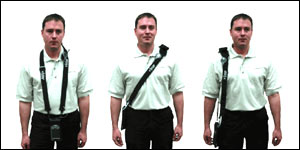 The system tells people where they are Blind and partially-sighted people could now get extra help to negotiate their way round cities - with a new handheld satellite tracker. Linked up to a satellite in space, the "Victor Trekker" system tells blind and partially sighted users which road they are walking down, which shops and buildings are near them and when they are coming up to a junction. Eventually the device will be so detailed that if you walk into a supermarket it should be able to say what offers are on special that day. At the moment the system costs �1,100, but manufacturers hope the price will soon drop as the technology is developed further. Independence Yvan Legace, vice president of VisuAid, the Canadian based company that developed the device in Association with the Royal National Institute for the Blind (RNIB), said the it will enable greater independence. "One of the first needs is for people to be able to move around to go to school and to the shops.
"This system will tell people what intersection they are on and provide information about where the restaurants and hotels are." He said that although blind people were able to get around safely using just white sticks or guide dogs, that they currently still needed to ask for help about whether they had reached their destination. Satellite The Victor Trekker uses a global positioning satellite (GPS) receiver, similar to systems currently used in cars, aircraft and boats. It is hooked up to an electronic voice-box which tells users where they are as well as giving them precise directions to their destination. The device is on view at the RNIB's Vision 2002 exhibition, in Birmingham. Richard Orme, the RNIB's Assistant Director of Information Communications Technology Services said this sort of technology is vital for promoting independence. "New technologies such as GPS can really support the independence of blind people as they go about their daily lives. "People with sight difficulties must be able to use everyday things like mobile phones, computers, digital TV, education resources, job information and websites." | | See also:  05 Nov 02 | Technology 04 Dec 98 | Health 09 Jan 02 | Health 17 Dec 01 | Health 15 Mar 01 | Health Internet links: The BBC is not responsible for the content of external internet sites Top Health stories now: Links to more Health stories are at the foot of the page. | ||||||||||||||||||||||||||||||||||||||||||||||||||||||||||||||||||||||||||||||||||||||||||||||||||||||||||||||||||||||||||||||||||||||||
| |
|  E-mail this story to a friend E-mail this story to a friend |
| |
| Links to more Health stories |
| | | ||
 | ||||
 | | Back to top
| ||
| ---------------------------------------------------------------------------------- To BBC Sport>> | To BBC Weather>> | To BBC World Service>> ---------------------------------------------------------------------------------- © MMIII | News Sources | Privacy |





