|
 |
 | | | | | | |||||||||||||||||||||||||||||||||||||||||||||||||||||||||||||||||||||||||||||||||||||||||||||||||||||||||||||||||||||||||||||||||||||
| | | You are in: In Depth: 2003: HE reaction | |||||||||||||||||||||||||||||||||||||||||||||||||||||||||||||||||||||||||||||||||||||||||||||||||||||||||||||||||||||||||||||||||||||||
|
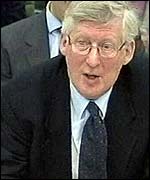
| |  Wednesday, 12 February, 2003, 14:02 GMT Wednesday, 12 February, 2003, 14:02 GMTUniversities still want more money  Prof Floud: Hinted at need for higher fees Universities say the increased funding they have been promised by the government is nothing like enough. Professor Roderick Floud, president of the vice-chancellors' organisation, Universities UK, told MPs that funding per student would fall over the next few years, despite the government's promise of an extra 6% a year to 2006. And he signalled that universities would press for tuition fees even higher than the proposed �3,000 maximum to raise their income. He told the Commons education select committee that last month's long-awaited White Paper did not provide enough to give pay rises in real terms to academic staff. Universities had sought an extra �9.94bn and were last month given �3.7bn. Refurbishment postponed Prof Floud said this did involve "substantial increases" in funding - but not enough. "Our prediction before 2006 is that we estimated a slight decrease in funding per student," he said. The committee chairman, Labour's Barry Sheerman, said that was "quite depressing". Prof Floud said the gap between what universities needed and what the government was providing would have to be filled by a further delay in refurbishment of university classrooms, laboratories and libraries. Higher tuition fees from 2006 will remain at a maximum of �3,000 a year, apart from index-linking for inflation, for at least a whole parliament, the government has said. Teaching But there would be nothing to stop fees going up after that, especially if - as in Australia - the state reduced the amount of taxpayers' money going into higher education.
"We are already beginning to prepare our next spending review bid and we have already identified gaps which need to be filled after 2006 in infrastructure. "There will continue to be, for the foreseeable future, substantial pressure from universities and on behalf of universities to raise their level of income." Dr Geoffrey Copland, vice-chancellor of the University of Westminster, told the committee there would be "a difficult outcome" for the funding of teaching. "Once new activity, in the form of earmarked initiatives, is stripped out there is no real terms increase - indeed probably a decrease - in the funding of teaching over the next three years, making it difficult to complete the work in modernising pay structures, for either academic or non-academic staff." | | See also:  11 Feb 03 | HE reaction 04 Feb 03 | Education 27 Jan 03 | Higher education 23 Jan 03 | Education 29 Jan 03 | Higher education 10 Apr 02 | Education 20 May 02 | Education Internet links: The BBC is not responsible for the content of external internet sites Top HE reaction stories now: Links to more HE reaction stories are at the foot of the page. | |||||||||||||||||||||||||||||||||||||||||||||||||||||||||||||||||||||||||||||||||||||||||||||||||||||||||||||||||||||||||||||||||||||
 | |
|  E-mail this story to a friend E-mail this story to a friend |
|  |
| Links to more HE reaction stories |
| | | ||
 | ||||
 | | Back to top
| ||
| ---------------------------------------------------------------------------------- To BBC Sport>> | To BBC Weather>> | To BBC World Service>> ---------------------------------------------------------------------------------- © MMIII | News Sources | Privacy |