
|
 |
 | | | | | | ||||||||||||||||||||||||||||||||||||||||||||||||||||||||||||||||||||||||||||||||||||||||||||||||||||||||||||||||||||||||||||||||||||||||||||||||||||
| | | You are in: Health | ||||||||||||||||||||||||||||||||||||||||||||||||||||||||||||||||||||||||||||||||||||||||||||||||||||||||||||||||||||||||||||||||||||||||||||||||||||||
|
| | Monday, 14 October, 2002, 09:42 GMT 10:42 UK Bali hospital under pressure 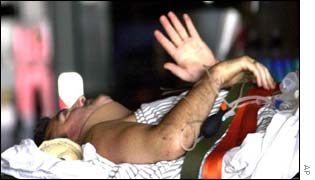 Many victims have been flown to Australia for treatment Bali's single, small, hospital was almost overwhelmed by seriously-injured patients in the wake of Saturday's car bomb attack. RSUP Sanglah is the main provincial hospital used by foreigners - there are another couple of private hospitals, but these cater for minor ailments only. Supplies of formalin, used to embalm corpses to prevent decay, and the spread of disease, are running low, and the hospital morgue quickly filled up with some of the dozens of dead brought there. Even though Bali receives more than a million foreign visitors a year, Sanglah only opened a dedicated emergency ward in 1991. There is no specialist burns unit on the island - and many of those hurt by the car bomb have suffered extensive burns. It is also likely that there are only a limited number of doctors experienced in dealing with trauma injuries on Bali. Minor ailments An estimated 6% of those visiting the island fall ill in some way or another during their trip. The Sangluh hospital's directors are confident that it now has the facilities to deal with any individual case, although a recent conference heard research which suggested that no hospital on the island came up to "international" class. The nearest major hospital is in Indonesia's capital, Jakarta. Foreign visitors who fall seriously ill on Bali are often airlifted out by their travel insurance companies to hospitals in Jakarta or Australia. The Royal Darwin in northern Australia has been receiving many of the wounded from this attack. Spreading the load However, even the biggest and best hospitals in the UK and US would, individually, be hard-pressed to cope with an event on this scale. Here, the hundreds of wounded from a major incident would be spread among a number of hospitals both near the scene and further away. A "disaster plan" would be ready to determine which type of cases went to which hospital. In Bali, there is only one emergency room, and a small intensive care unit, with only a handful of beds. The entire hospital is geared to accept only 1,500 patients a year, the vast the majority of these suffering from minor conditions. | |
Top Health stories now:  Links to more Health stories are at the foot of the page. | ||||||||||||||||||||||||||||||||||||||||||||||||||||||||||||||||||||||||||||||||||||||||||||||||||||||||||||||||||||||||||||||||||||||||||||||||||||
| |
|  E-mail this story to a friend E-mail this story to a friend |
| |
| Links to more Health stories |
| | | ||
 | ||||
 | | Back to top
| ||
| ---------------------------------------------------------------------------------- To BBC Sport>> | To BBC Weather>> | To BBC World Service>> ---------------------------------------------------------------------------------- © MMIII | News Sources | Privacy |






