|
 |
 | | | | | | |||||||||||||||||||||||||||||||||||||||||||||||||||||||||||||||||||||||||||||||||||||||||||||||||||||||||||||||||||||||||||||||||||||||||||||||||||||||||||||||||||||||||||||||||||||||||
| | | You are in: Asia-Pacific | |||||||||||||||||||||||||||||||||||||||||||||||||||||||||||||||||||||||||||||||||||||||||||||||||||||||||||||||||||||||||||||||||||||||||||||||||||||||||||||||||||||||||||||||||||||||||||
|
| | Monday, 14 October, 2002, 11:12 GMT 12:12 UK Megawati hit by Bali bomb fallout 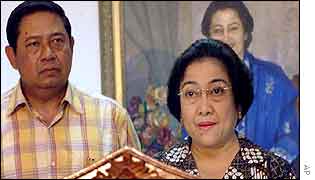 Critics say Jakarta did not take the threat seriously
President Megawati Sukarnoputri was one of the first foreign leaders to call on President Bush after the September 11th attacks last year - she was in Washington on a pre-arranged visit.
Whilst listening carefully, Megawati has remained unconvinced, her attention being more focused on the undoubted activities of Indonesian militants fighting religious or separatist wars in remote parts of the archipelago. She was unconvinced that these so-called indigenous terrorist groups had international links or targets. Blind spot Critics say she turned a deliberate blind eye to evidence of international terrorist activity.
At home, Megawati is engaged in a delicate balancing act. She heads the largest nationalist party which, being secular, has strong backing amongst Indonesia's religious minorities, like the Balinese Hindus and Christians in many parts of the country. Recognising that large numbers of Indonesians voted for Islamic parties, the constituent assembly chose the leader of one such party, Hamzah Haz, as her vice president. This nationalist/Islamist partnership is an important aspect of Indonesia's new political make-up. There are bound to be accusations against Megawati of dereliction of duty in not taking firmer action against allegedly militant groups. Had she done so, this would have angered those who believe she is beholden to western and especially American pressures. There is a widespread mood of anti-Americanism, many people blaming the United States for Indonesia's economic and other woes. Megawati knows how important it is to avoid fuelling discontent amongst Muslim groups by taking action which may not be justified by evidence. The immediate political reaction in Indonesia is to pull together and address the very serious challenge the bombing represents for this new democracy. A nation that has slowly rebuilt its economy following the economic crisis of 1997 is likely to see all that shattered. The anticipated collapse of the Bali-centred tourist industry will hit the whole country's economy, and badly needed foreign investment into other sectors is likely to dry up. US ties Politically, Megawati will be under pressure to reconsider the role of the armed forces as a national security force.
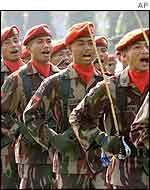
The army has also come under criticism for its handling of regional crises in East Timor and Aceh. Only recently the constituent assembly removed the right of the armed forces to nominate representatives to parliament. Now Megawati may be forced to accept the military's contention that it is 'the glue that holds Indonesia together', and also has an important role in providing intelligence - intelligence that might have been able to corroborate the claims of terrorist activity coming from abroad. The Bali bomb may make it easier for Megawati to do the US's bidding - but that too carries a risk. After the debacle in East Timor three years ago, in which the Indonesian armed forces were seen to be siding with militants opposing calls for independence, the US broke military ties with and weapons sales to Indonesia. Just recently some training ties have been restored. Megawati has accepted American help investigating the Bali bomb and this is likely to be extended to help with intelligence on the grounds. She will tell Indonesians that better US ties are the only way further such incidents can be prevented. Allowing American experts into Indonesia - and detaining militants from such organisations as Darul Islam and Jemaah Islamiah cited by US intelligence that are bound to follow - will inevitably strengthen the prevailing mood of anti-Americanism. Governing a country as large and complex as Indonesia has always been difficult. The bombing in its best known island makes the task a great deal harder. | |
See also:  14 Oct 02 | UK 14 Oct 02 | Asia-Pacific Internet links: The BBC is not responsible for the content of external internet sites Top Asia-Pacific stories now: Links to more Asia-Pacific stories are at the foot of the page. | |||||||||||||||||||||||||||||||||||||||||||||||||||||||||||||||||||||||||||||||||||||||||||||||||||||||||||||||||||||||||||||||||||||||||||||||||||||||||||||||||||||||||||||||||||||||||
| |
|  E-mail this story to a friend E-mail this story to a friend |
| |
| Links to more Asia-Pacific stories |
| | | ||
 | ||||
 | | Back to top
| ||
| ---------------------------------------------------------------------------------- To BBC Sport>> | To BBC Weather>> | To BBC World Service>> ---------------------------------------------------------------------------------- © MMIII | News Sources | Privacy |