|
 |
 | | | | | | ||||||||||||||||||||||||||||||||||||||||||||||||||||||||||||||||||||||||||||||||||||||||||||||||||||||||||||||||||||||||||||||||||||||||||||||||||||||||||||||||||||||||||||||||||||||||||||||||||||||||||||||
| | | You are in: Europe | ||||||||||||||||||||||||||||||||||||||||||||||||||||||||||||||||||||||||||||||||||||||||||||||||||||||||||||||||||||||||||||||||||||||||||||||||||||||||||||||||||||||||||||||||||||||||||||||||||||||||||||||||
|
| | Wednesday, 18 September, 2002, 11:58 GMT 12:58 UK Immigration enters Germany's election 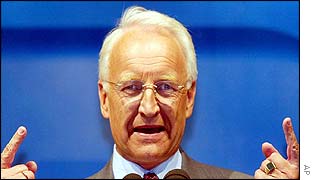 Stoiber is risking his carefully built moderate image
Edmund Stoiber's Bavarian government once deported a German-born juvenile delinquent of Turkish parents "back" to Turkey - a country the young criminal had never set foot in.
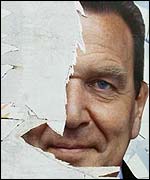
In the last election battle waged by Mr Stoiber's conservative CSU party in 1998, immigration played a starring role. Posters plastered around the provinces advised voters not to back the CSU if they wanted more foreigners in the country. This time the Bavarian politician, who is leading the country's conservative coalition into Sunday's general election, appeared to have dropped the topic from the campaign agenda in an attempt to moderate his hard-right image and woo the voters of the centre. Until this week. Having lost its slight edge over Chancellor Gerhard Schroeder's Social Democrats in the opinion polls in this crucial, final stage, Mr Stoiber's coalition is clearly rattled.
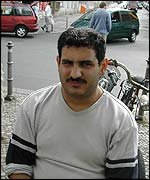
Immigration - or the need to curb it - has reclaimed its place on the conservative to-do list. "They are desperate to latch on to it now," says Halil Yildirim, sitting outside his furniture stall on the vibrant Bergmannstrasse in Berlin's Kreuzberg district, home to 150,000 people of Turkish origin - Germany's largest immigrant group. "We do need some curbs on immigration - it will make life easier for the foreigners who have lived here for years. But it's totally wrong to make it an election issue." Situation vacant The Social Democrat-led government of Chancellor Gerhard Schroeder has looked to what it describes as a "controlled" immigration policy as a means of filling thousands of both skilled and unskilled vacancies in the German labour force.
Despite the country's doggedly high unemployment rates, hospitals and the catering industry in particular lack low-grade workers, the metal industry also has shortages, while professional posts lie open in firms across the country. Germany's declining birth rate also means that the country, like its European counterparts, desperately needs new recruits to work and contribute to its pay-as-you-go pension system. To this end, a law was passed in May which made it easier for employers to look for labour abroad, a move broadly welcomed by industry. Unconvinced But Mr Stoiber says he is not having any of it. "When we've got more than four million jobless it is simply irresponsible to open the labour market to everyone," he told German voters this week, vowing to repeal the law if his conservatives are elected on Sunday.
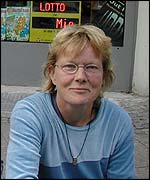
The conservatives' priority: the integration of the seven million foreigners who do live in Germany, including sending them on compulsory language courses. Germany should not develop into a multi-cultural society, Mr Stoiber's interior affairs expert declared. And their words were welcomed by some of those on the grimy streets of Kreuzberg today. "I'm glad someone has finally brought it up," says Beate Bose, one of the district's few blonde residents. "We can't just pretend that it's not a problem to have more foreigners who are prepared to work for low wages coming into Germany when we've got such a big problem of unemployment." High-risk strategy Mr Stoiber will be hoping that the immigrant gambit will play to concerns such as these, and push some of those millions of floating voters to turn out in support of the conservatives on Sunday. But it is a gamble. The Bavarian leader has done his utmost to transform his image, and he runs the risk of alienating those voters who had started to sign up to the idea that Mr Stoiber was indeed a man of the centre - as well as those industries crying out for foreign labour. One thing seems certain, though. Many of Kreuzberg's Turkish residents will not be turning out to vote in Sunday's election. Despite a new law passed by Mr Schroeder's government which changed Germany's archaic citizenship laws and made it easier for foreigners to become German nationals with voting rights, the number of Turks applying for citizenship has fallen since the law came into force. "It is a law which in fact discriminates against Turks," says Eren Unsal, spokeswoman for Berlin's Turkish community. "Under the new rules, we have to drop Turkish nationality if we apply for German citizenship, and many Turks are not prepared to do that." "But I hope those who can do vote. The country's miserable forced integration and immigration policies will only get worse under Mr Stoiber." | |
See also:  17 Sep 02 | Europe 16 Sep 02 | Europe 13 Sep 02 | Europe 20 Aug 02 | Country profiles Internet links: The BBC is not responsible for the content of external internet sites Top Europe stories now: Links to more Europe stories are at the foot of the page. | ||||||||||||||||||||||||||||||||||||||||||||||||||||||||||||||||||||||||||||||||||||||||||||||||||||||||||||||||||||||||||||||||||||||||||||||||||||||||||||||||||||||||||||||||||||||||||||||||||||||||||||||
| |
|  E-mail this story to a friend E-mail this story to a friend |
| |
| Links to more Europe stories |
| | | ||
 | ||||
 | | Back to top
| ||
| ---------------------------------------------------------------------------------- To BBC Sport>> | To BBC Weather>> | To BBC World Service>> ---------------------------------------------------------------------------------- © MMIII | News Sources | Privacy |