|
 |
 | | | | | | |||||||||||||||||||||||||||||||||||||||||||||||||||||||||||||||||||||||||||||||||||||||||||||||||||||||||||||||||||||||||||||||||||||||||||||||||||||||||||||||
| | | You are in: Monitoring: Media reports | |||||||||||||||||||||||||||||||||||||||||||||||||||||||||||||||||||||||||||||||||||||||||||||||||||||||||||||||||||||||||||||||||||||||||||||||||||||||||||||||||
|
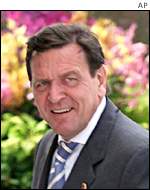
| | Monday, 23 September, 2002, 06:35 GMT 07:35 UK The Parties battling for the Bundestag 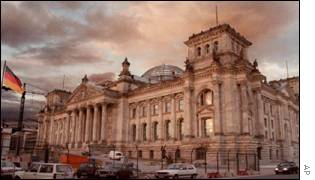 Elections to the Bundestag take place every 4 years A total of 24 parties fielded election candidates. Most parties were too small to contest more than a handful of the 299 constituencies. Only five parties attempted anything like national representation. Social Democrats (SPD): Governing party, in coalition with Greens since last election in 1998. Gerhard Schroeder is standing for re-election as Chancellor.
His major problem has been unemployment. In 1998 - when nearly 4.1m were out of work - Schroeder said he should be judged by how well he could cut that figure. By 2000 it had gone down to 3.6m. Now the numbers have crept back to more than 4m.
It also wants to ensure lasting economic growth and social justice. Schroeder's prompt handling of the consequences of this summer's flooding in eastern Germany has been popular, as has his refusal to commit German troops to any possible US-led attack on Iraq. Having lagged behind Edmund Stoiber for months, Schroeder has closed the gap in the final weeks of the campaign. He says he wants to continue the coalition with the Greens and has ruled out any contact with the reformed communist PDS. Christian Democrats (CDU/CSU): In opposition since 1998, when their leader Helmut Kohl lost to Schroeder. The CDU represents the whole of Germany except the southern state of Bavaria, which is the domain of its "sister party", the CSU.
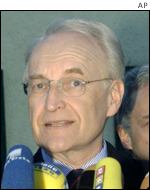
Its new leader Angela Merkel was unable to mend the damage sufficiently. In January of this year she was obliged to make way for Edmund Stoiber from the CSU. Stoiber points to the economic success enjoyed in Bavaria as a marker of his competence.
On foreign policy, he supports increasing the defence budget to enable German forces to take part in international missions. On Iraq, Stoiber initially criticized Schroeder's opposition to any attack, but he has since warned the US not to take any unilateral action outside the UN. Most likely coalition partner is the FDP. Alliance 90/Greens: Governing party since 1998, in coalition with SPD. The Greens were founded in 1980, emerging from west German environmentalist and pacifist groups. They allied with the east German citizens' group Alliance 90 in 1993.
For years the Greens were split on the issue of whether to participate in government, with some members fearing they would lose their radicalism on policies such as abandoning nuclear energy, or refusing to send German troops abroad. Their best-known representative,
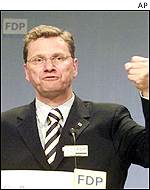
The Greens say they're aiming to win 8% of the vote with a manifesto covering topics such as developing renewable energy sources, increasing food safety, improving the lives of children, promoting the integration of immigrants, giving women an equal share of power, and strengthening European democracy. Free Democrats (FDP): The FDP is a small opposition party which for many years was known as the "kingmaker" of German politics. It was in government coalitions for decades, both with the SPD and the CDU, until the SPD/Greens alliance won in 1998.
The FDP's liberal policies mean it puts a premium on helping individuals to help themselves. Its 18-point programme includes lower taxes, a more flexible labour market, cutting bureaucracy,
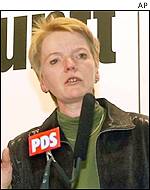
The party lost support throughout the Nineties. Guido Westerwelle, who was elected chairman in May 2001, has managed to stop the slide. The FDP says it's aiming for 18% in the election. Party of Democratic Socialism (PDS): The PDS is the successor to the ruling SED in communist East Germany.
The Far Right: Extreme right-wing parties have never managed to overcome the 5% barrier needed for representation in the Bundestag. The nearest they came was in 1969, when the NPD gained 4.3%. In 1990, the year of re-unification, the Republicans scored the next best result, with 2.1%. Since then, support has dipped below the 2% mark. The various groups find greater support at a regional level, where they tend to focus on local issues and grievances, mostly over immigration and unemployment. BBC Monitoring, based in Caversham in southern England, selects and translates information from radio, television, press, news agencies and the internet from 150 countries in more than 70 languages. | |
Internet links:  The BBC is not responsible for the content of external internet sites Top Media reports stories now: Links to more Media reports stories are at the foot of the page. | |||||||||||||||||||||||||||||||||||||||||||||||||||||||||||||||||||||||||||||||||||||||||||||||||||||||||||||||||||||||||||||||||||||||||||||||||||||||||||||||
| |
|  E-mail this story to a friend E-mail this story to a friend |
| |
| Links to more Media reports stories |
| | | ||
 | ||||
 | | Back to top
| ||
| ---------------------------------------------------------------------------------- To BBC Sport>> | To BBC Weather>> | To BBC World Service>> ---------------------------------------------------------------------------------- © MMIII | News Sources | Privacy  |