|
 |
 | | | | | | ||||||||||||||||||||||||||||||||||||||||||||||||||||||||||||||||||||||||||||||||||||||||||||||||||||||||||||||||||||||||||||||||||||||||||||||||||||||||||||||||||||||||||
| | | You are in: Europe | ||||||||||||||||||||||||||||||||||||||||||||||||||||||||||||||||||||||||||||||||||||||||||||||||||||||||||||||||||||||||||||||||||||||||||||||||||||||||||||||||||||||||||||
|
| | Tuesday, 16 July, 2002, 20:14 GMT 21:14 UK Serbians pay price for tax avoidance 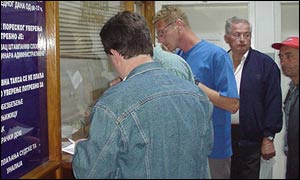 Belgrade is losing US$1.3bn a year in unpaid taxes
Everyone hates paying taxes. That's a universal truth. But in Serbia, as in many economies in transition, it is proving particularly difficult to get people to abandon the habit of a lifetime and part with their hard earned cash so improvements can be made in public services. Overall it is thought about one-third of the economy is in the illegal sector. Many people are paid for the work they do in cash. This makes it both cheaper for their employer and gives them more money in their pocket. Massive hole Shops and businesses often hide the number of employees they have working for them, so that they pay less tax.
And people declare only the minimum earnings possible allowing them to benefit from state pensions and health care without losing much. This leaves the Serbian Government with a massive hole in its finances. Each year it estimates that it loses around US$1.3bn in unpaid taxes. The Serbian finance minister, Bozidar Djelic, has already introduced a number of much-needed tax reform measures. But he says there is a cultural problem to be overcome if they are to increase income from taxes. "For the first time in 40 years taxes are an issue here. Last year when we introduced fiscal reform people said, 'Oh my God, taxes!' It was the first time there had been such a debate in the Serbian parliament since World War Two."
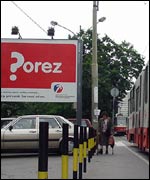
The government has just launched a TV and poster campaign to try to educate people. The message is brutal: You want better services? You're going to have to pay for them. But that will be difficult. For a start the tax system is so antiquated. Paying tax takes a long time. Automated procedures are non-existent, and although the government says tax collection is improving, it doesn't seem like it to many. Queues and confusion In one tax office I met a man who simply needed to pay 25 dinars (20 cents) car tax. "I bought this car and I thought tax was included in the price. But when I came here to check they told me I have to pay the tax. I've been here trying to sort this out for three days now." Another man, looking frustrated, said: "There are too many complications. I had to go to five different counters to pay them money!"
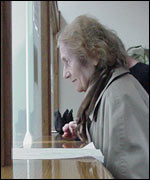
Look around, and you see the problem. Queues, confusion, paperwork in triplicate. People often complain tax bills are posted to them late, so they also end up paying a fine. There is another problem. For years, under communism, the issue of paying for public services simply did not exist. Money was printed when needed and health and education systems were better than in many western countries. 'Wrong channels' Now people living in Serbia see public services going down the drain, and all of a sudden they are being asked to pay for them. In the local hospital I chatted to people waiting to see a doctor. One woman looked round the dirty noisy waiting area as she told me what many here say: "I don't really know where the money goes. I suppose it goes to the right places, but I don't know." A man jumped in: "The money doesn't go to the right places. Taxes flow into the wrong channels." And looking round the hospital I could understand why he felt so strongly. Many say they can understand why they need to pay, but with average wages already at around only US$100 a month, will they be willing to see their salaries drop even further? | | See also:  25 May 02 | Europe 21 May 02 | Europe 27 Jun 02 | Country profiles 13 May 02 | Business 14 Mar 02 | Europe 02 Jul 01 | Business Internet links: The BBC is not responsible for the content of external internet sites Top Europe stories now: Links to more Europe stories are at the foot of the page. | ||||||||||||||||||||||||||||||||||||||||||||||||||||||||||||||||||||||||||||||||||||||||||||||||||||||||||||||||||||||||||||||||||||||||||||||||||||||||||||||||||||||||||
| |
|  E-mail this story to a friend E-mail this story to a friend |
| |
| Links to more Europe stories |
| | | ||
 | ||||
 | | Back to top
| ||
| ---------------------------------------------------------------------------------- To BBC Sport>> | To BBC Weather>> | To BBC World Service>> ---------------------------------------------------------------------------------- © MMIII | News Sources | Privacy |