|
 |
 | | | | | | |||||||||||||||||||||||||||||||||||||||||||||||||||||||||||||||||||||||||||||||||||||||||||||||||||||||||||||||||||||||||||||||||||||||||||||||||||||||||||||||||||||||||
| | | You are in: Europe | |||||||||||||||||||||||||||||||||||||||||||||||||||||||||||||||||||||||||||||||||||||||||||||||||||||||||||||||||||||||||||||||||||||||||||||||||||||||||||||||||||||||||||
|
| | Monday, 1 July, 2002, 21:13 GMT 22:13 UK Yugoslav woes played out on pitch Yugoslavia's football stadiums rarely sell out
You can, some argue, tell a lot about the state of a nation by looking at the state of its football. In some ways the sport seems to reflect society.
Take attendance at the Red Star Belgrade game I went to recently. The 54,000 seat stadium was almost empty. No more than perhaps 1,000 people. It was the same at Partizan Belgrade, Red Star's big rivals. Savo Milosevic, the Yugoslav international who's also played for a number of top European teams blames the low turnout on the wars, and the fact that people no longer have the cash. "When I played here we would get at least 30,000. Now today we are celebrating the title, and there are maybe 5,000. It's a very sad picture," said Milosevic, who currently plays for Parma in Italy. Domestic decline It's not as if Yugoslavs are not football fans. The city's bars were packed with World Cup watchers, even though their teams were not in the tournament. And when the various leagues of Europe are running, those are the games fans here like to watch.
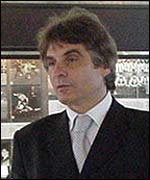
Another, battling to be heard above the noise of cheering from the fans watching a football game, said: "I don't like to watch domestic football because we know the result in advance. I think our football is not interesting." It's a big change from the days when Yugoslav teams were themselves big in Europe. Go to the museum at Red Star's stadium, and you're struck by the number of trophies on show. More than 1,300 of them. Yugoslav, European, World championships among them. Red Star were champions of Europe and the World in 1991. Wandering around the museum with ex-player, now sporting director of the club, Dusan Savic, I ask why football has declined so far and so fast. "The destruction of Yugoslavia ruined this club, the league and football in this country. We're now in a position that just doesn't reflect the history and status of the club." Long way to go And that's the point. For football, read industry, culture, society. Many feel the state of the country now does not match the pride most felt about being a Yugoslav citizen just a few years ago. Back at Red Star's ground, sports journalist Daniel Bukumirovic makes the point nicely. "A tragedy happened to football in this country. Like every other institution in Serbia." "Here we should have from 10 to 20,000 today. Instead a few hundred. This is the same thing with Serbia, without jobs and a bright future." Looking round the stands there are a few people watching the game. But over to my left a couple of teenagers are playing badminton, right down by the pitch side. Close by some other kids are kicking their own football around. It's apparently more interesting than the game. If football is a good gauge of society at large, it seems this country has a long way to go before it can regain the pride and sophistication that once characterised it. | | See also:  31 May 02 | Europe 14 Mar 02 | Europe 05 Oct 01 | Europe 12 Aug 00 | Europe Internet links: The BBC is not responsible for the content of external internet sites Top Europe stories now: Links to more Europe stories are at the foot of the page. | |||||||||||||||||||||||||||||||||||||||||||||||||||||||||||||||||||||||||||||||||||||||||||||||||||||||||||||||||||||||||||||||||||||||||||||||||||||||||||||||||||||||||
| |
|  E-mail this story to a friend E-mail this story to a friend |
| |
| Links to more Europe stories |
| | | ||
 | ||||
 | | Back to top
| ||
| ---------------------------------------------------------------------------------- To BBC Sport>> | To BBC Weather>> | To BBC World Service>> ---------------------------------------------------------------------------------- © MMIII | News Sources | Privacy |