|
 |
 | | | | | | |||||||||||||||||||||||||||||||||||||||||||||||||||||||||||||||||||||||||||||||||||||||||||||||||||||||||||||||||||||||||||||||||||||||||||||||||||
| | | You are in: Entertainment | |||||||||||||||||||||||||||||||||||||||||||||||||||||||||||||||||||||||||||||||||||||||||||||||||||||||||||||||||||||||||||||||||||||||||||||||||||||
|
| | Tuesday, 5 November, 2002, 09:55 GMT Media regulation takes shape 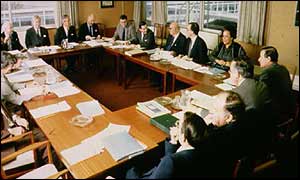 Governors have historically regulated the BBC
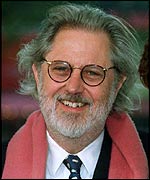
All that brou-ha-ha about sacked celebrities last week rather overshadowed another piece of news - the latest instalment in the seemingly endless saga that is the Communications Bill. A joint committee of MPs and peers chaired by Lord Puttnam, you will recall, considered the draft text of the bill for several months earlier this year and published a list of 148 recommendations for improving it. Last week, the government accepted 120 of them. The one that got reported was the decision to make the BBC liable to fines from the new regulator Ofcom. But since the news was released just three hours before Angus Deayton got his marching orders, it wasn't reported that much.
But one of the ironies of exercises like the Communications Bill is that, though always accompanied by lots of rhetoric about "lighter touch", they often end up imposing more regulation. The decision on BBC fines can be seen as an example of this. The corporation already has a system for handling programme complaints and imposing sanctions (well, alright, raps over the knuckles) administered by the governors. The bill now imposes an additional layer of regulation and sanctions. The changes are a result of pressure from commercial TV and radio companies who resented the BBC's ability to reschedule its news or reshape a network. If the commercial companies wanted to do something similar, they first had to get a regulator's permission - sometimes messily withheld. Subtle Of course, what they really wanted was freedom from their shackles in order to put them on the same footing as the BBC. But that was a rather subtle argument and governments and regulators don't think like that. So the rules stayed - they were just imposed on everyone. But some of Puttnam's other recommendations were truly deregulatory. Advertisers are happy with his suggestion that Ofcom should cease to regulate broadcast advertising and leave standards and complaints to a voluntary industry body. Complaints That body would presumably be the Advertising Standards Authority, which already looks after print, poster and cinema advertising. As it happens there is already a voluntary system of self-regulation for TV and radio ads, administered by Broadcasting Advertising Copy Clearance (BACC), which vets scripts of forthcoming commercials. Interestingly, the Independent Television Commission has recently upheld several complaints about commercials which had been passed by BACC - notably Vodafone's "flirting" ads for text messaging services. Perhaps that's just an indication that decisions involving taste are often partly subjective. Or perhaps the advertisers think a self-regulatory system would give them more latitude. Or perhaps they'd just like to know where they stand. | |
See also:  29 Oct 02 | Entertainment 25 Sep 02 | Entertainment 31 Jul 02 | Entertainment Internet links: The BBC is not responsible for the content of external internet sites Top Entertainment stories now: Links to more Entertainment stories are at the foot of the page. | |||||||||||||||||||||||||||||||||||||||||||||||||||||||||||||||||||||||||||||||||||||||||||||||||||||||||||||||||||||||||||||||||||||||||||||||||||
| |
|  E-mail this story to a friend E-mail this story to a friend |
| |
| Links to more Entertainment stories |
| | | ||
 | ||||
 | | Back to top
| ||
| ---------------------------------------------------------------------------------- To BBC Sport>> | To BBC Weather>> | To BBC World Service>> ---------------------------------------------------------------------------------- © MMIII | News Sources | Privacy |