|
 |
 | | | | | | ||||||||||||||||||||||||||||||||||||||||||||||||||||||||||||||||||||||||||||||||||||||||||||||||||||||||||||||||||||||||||||||||||||||||||||||||||||
| | | You are in: Entertainment | ||||||||||||||||||||||||||||||||||||||||||||||||||||||||||||||||||||||||||||||||||||||||||||||||||||||||||||||||||||||||||||||||||||||||||||||||||||||
|
| | Tuesday, 17 September, 2002, 08:49 GMT 09:49 UK Behind the complaints  The Trisha show earned Anglia a rap over the knuckles
Just who are the people who complain about TV and radio programmes to watchdogs like the Independent Television Commission and the Broadcasting Standards Commission? Little old ladies who spend their days twitching net curtains, their evenings fulminating at the screen? Retired colonels in Tunbridge Wells? Of course not. By and large, they arere folk like you and me. This month I discovered I knew one. Steve MacCormack, once a BBC news correspondent, now a teacher, was one of 38 people who complained in June about ITV1's daytime show Trisha. The show is normally broadcast in the mornings but during the World Cup a special series, Trisha Exposes... Britain's Biggest Love Rats, was scheduled at 1700, immediately after Children's ITV.
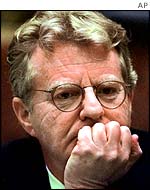
"It was a British version of Jerry Springer," according to Steve MacCormack. "It was all about blokes who'd left their wives or girlfriends and shagged their way round the local neighbourhood." 'Callous' He thought it was "atrocious stuff", and he thought it was wrong ("callous and uncaring") that a broadcaster could schedule such programmes at a time when hundreds of thousands of children were certain to be watching. Anglia, which produced the programmes, said they had been made specifically for that time slot and that continuity announcements had made clear that children's programmes were over for the day. The ITC wasn't impressed. "An announcement regarding the ending of children's TV does not permit a move into significantly adult topics, especially as many children could be expected to be watching unsupervised," the commission said. In two of the programmes the studio audience started chanting "who's the daddy?" at participants. "This was felt to exemplify an unsuitable approach to dealing with sensitive issues of paternity testing at a time when large numbers of children may be expected to be watching," the commission said, concluding that Anglia had made a "serious misjudgement". Disappointed MacCormack's reaction to all this was mixed. He was initially impressed, he says, when he rang the Commission and got through straight away not to a machine but to an "intelligent, receptive and understanding" human being, who listened sympathetically and clearly grasped the nature of his complaint.
But he was disappointed by the final outcome. "It's rather telling, isn't it, that the complaint gets upheld, but all they [the broadcaster] get is a rap over the knuckles." He was surprised that so few people had complained - though, as I told him, 38 is quite a lot of complaints for the ITC. "Perhaps if the ITC had real teeth the message would get home and more people would ring up to complain," he said. "Anglia should get fined �100,000 and maybe told never to broadcast this programme again before nine o'clock." As he said, those are the kind of sanctions that would be applied to a teacher who made a "serious misjudgement" - and only sanctions like that, in his view, will stop the broadcasters from doing the same thing again. A version of this column appears in the BBC magazine Ariel. Contact Nick Higham at [email protected]. | |
See also:  15 Sep 02 | Entertainment Internet links: The BBC is not responsible for the content of external internet sites Top Entertainment stories now: Links to more Entertainment stories are at the foot of the page. | ||||||||||||||||||||||||||||||||||||||||||||||||||||||||||||||||||||||||||||||||||||||||||||||||||||||||||||||||||||||||||||||||||||||||||||||||||||
| |
|  E-mail this story to a friend E-mail this story to a friend |
| |
| Links to more Entertainment stories |
| | | ||
 | ||||
 | | Back to top
| ||
| ---------------------------------------------------------------------------------- To BBC Sport>> | To BBC Weather>> | To BBC World Service>> ---------------------------------------------------------------------------------- © MMIII | News Sources | Privacy |