|
 |
 | | | | | | |||||||||||||||||||||||||||||||||||||||||||||||||||||||||||||||||||||||||||||||||||||||||||||||||||||||||||||||||||||||||||||||||||||||||||||||||||||
| | | You are in: Entertainment | |||||||||||||||||||||||||||||||||||||||||||||||||||||||||||||||||||||||||||||||||||||||||||||||||||||||||||||||||||||||||||||||||||||||||||||||||||||||
|
| | Tuesday, 11 June, 2002, 09:34 GMT 10:34 UK Whicker 'defined TV world' Whicker's World made the presenter a star
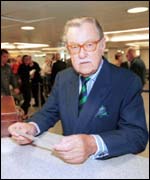
Last week I met for the first time a legendary figure, one of the inventors of modern television. Alan Whicker was a great television reporter. For three decades or more Whicker's World was one of the most powerful brands in British broadcasting, whether on the BBC or ITV (Whicker was a founder member of the consortium which became Yorkshire Television).
He became so familiar that we took him for granted. Every year it seemed there would be a new series, part-travelogue, part-social commentary. Advantage Some found Whicker's own weakness for the company of the very rich and for travel, preferably luxurious, a little hard to take; he was sometimes accused of fawning, of superficiality. In reality he used his own membership of what used to be called the jet set to advantage. I asked him how he'd managed back in the 1960s to persuade the reclusive J Paul Getty, then the world's richest man, to agree to an interview. "I knew him socially," Whicker said. The resulting documentary portrayed the billionaire oil man as a rather wintry, lonely figure, though not without humour.
Whicker was never a rottweiler interviewer, but he was always a serious as well as a popular journalist. Ground-breaking His portraits of two Latin American dictators, Stroessner of Paraguay and Papa Doc Duvalier of Haiti were devastating. He made ground-breaking documentaries about US gun culture and about plastic surgery. But in my judgement his greatest contribution was made before Whicker's World began, on the BBC early evening magazine programme Tonight, launched in 1957 as part of the corporation's attempt to claw back audiences from the newly-launched ITV. Whicker was one of a number of roving reporters taken on from print journalism (Whicker had been a foreign correspondent for the news agency Exchange Telegraph) by Tonight's brilliant editor, Donald Baverstock. Before Tonight, factual television was characterised by ponderous film reports with little natural sound, carefully-rehearsed interviewees, few in-vision correspondents and newsreel-style voice-overs. Demystified Baverstock wanted something more interesting - something closer to the personal, eyewitness accounts of the world which the best Fleet Street correspondents provided routinely.
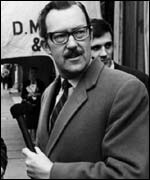
In the studio his colleagues demystified the process of programme-making: they showed the cameras and the lights. Out on the road, with a soundman and a recordist, Whicker and reporters like Fyfe Robertson and Trevor Philpott invented or perfected things which today are part of the everyday grammar of television. He helped start the walking piece to camera, the on-location interview with noddies and cutaways, where the interviewer is showing literally nodding his head as the interviewee speaks. It was real life captured on the hoof in all its absurdity and fascination. Set-pieces Tonight made serious subjects entertaining, and elevated trivial subjects by the wit and craftsmanship with which they were treated. Some of Whicker's set-pieces have become familiar through constant repetition: we all remember the sequence in which he stops a train, as if hailing a taxi, deep in the snowy wastes of Alaska. But one sticks in my mind as an example of the Tonight-Whicker approach at its best. Whicker is standing, poached-egg microphone in hand, in a street in Stockholm some time in the early 1960s, calling out the makes of passing cars. There are Volvos and Saabs of course, and VWs and Opels and Peugeots and Citroens and Fiats. But in a piece to camera that must last a minute or more, just one British model. It was the simplest of televisual devices, with built-in suspense, performed with wit and aplomb. After seeing it who could have doubted that the British motor industry was doomed? It was a brilliant piece of television journalism, and Whicker did it first. A version of this column appears in the BBC magazine Ariel | |
Top Entertainment stories now:  Links to more Entertainment stories are at the foot of the page. | |||||||||||||||||||||||||||||||||||||||||||||||||||||||||||||||||||||||||||||||||||||||||||||||||||||||||||||||||||||||||||||||||||||||||||||||||||||
| |
|  E-mail this story to a friend E-mail this story to a friend |
| |
| Links to more Entertainment stories |
| | | ||
 | ||||
 | | Back to top
| ||
| ---------------------------------------------------------------------------------- To BBC Sport>> | To BBC Weather>> | To BBC World Service>> ---------------------------------------------------------------------------------- © MMIII | News Sources | Privacy |