|
 |
 | | | | | | |||||||||||||||||||||||||||||||||||||||||||||||||||||||||||||||||||||||||||||||||||||||||||||||||||||||||||||||||||||||||||||||||||||||||||||||||||||||||||||
| | | You are in: Business | |||||||||||||||||||||||||||||||||||||||||||||||||||||||||||||||||||||||||||||||||||||||||||||||||||||||||||||||||||||||||||||||||||||||||||||||||||||||||||||||
|
| | Tuesday, 26 November, 2002, 09:13 GMT Iran's oil deals face deadlock 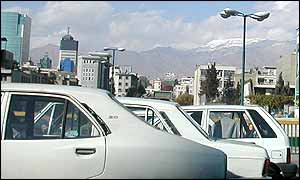 Tehran's drivers enjoy cheap petrol

The reason is that huge government subsidies keep the price of petrol low. But this may soon be changing as the government tries to reform its energy policies. Change adverse The government is planning to gradually raise petrol prices, a move that will be unpopular with drivers.
But that is proving unpopular with Islamic hardliners in the government, according to one banking source. "Any attempt by the reformers to base their negotiations with foreign companies on market norms always faces problems because a very conservative section of the government has to be persuaded that it is in the country's benefit and nobody can be accused of having sold the country out," he explains. In need of patience One of the problems is that the constitution in Iran does not allow normal production sharing agreements. Instead so-called buy-back deals have been negotiated where foreign companies provide finance and technical expertise to develop oil fields which are then handed over to the government which produces the oil.
But many oil companies are worried about the practicality of these contracts in the long-term. "We are not really accustomed to work in such contractual frameworks and these buy-back contracts are not so attractive for the oil operators," said Francois Vatier the managing director of Total Fina Elf in Iran. While there is general frustration in the oil industry, the government is adamant that it is serious about increasing oil and gas production - albeit at its own pace. "We do not rush things, we consider the technical side of the contract and are conservative about what is signed," explained Hossein Afarideh, chairman of the energy committee in Iran's parliament. Long-term ambitions And Iran's lack of hurry means that companies like BG Group, a UK gas extraction firm, must continue to be patient. "Iran is a country with a complex social structure, a complex political structure with a lot of checks and balances," said Alan Stott, BG's local representative who has lived in Tehran for two years. "We would obviously prefer things to happen more quickly," he said, saying that many companies doing business in Iran feel the same. "This is a country of huge potential - that's what drives us all at the moment," he explains. Iran is a major oil producer and has the second largest gas reserves in the world after Russia. The huge potential is acknowledged by virtually everyone from drivers to government officials. But the conflicting demands of foreign oil companies wanting to make money, and conservative clerics wanting to control Iran's resources, could mean that this potential will take a long time to be realised. | |
See also:  07 Nov 02 | Business 14 Nov 02 | Business 01 Nov 02 | Business 24 Oct 02 | Business 04 Oct 02 | Business 05 Apr 02 | Business Internet links: The BBC is not responsible for the content of external internet sites Top Business stories now: Links to more Business stories are at the foot of the page. | |||||||||||||||||||||||||||||||||||||||||||||||||||||||||||||||||||||||||||||||||||||||||||||||||||||||||||||||||||||||||||||||||||||||||||||||||||||||||||||
| |
|  E-mail this story to a friend E-mail this story to a friend |
| |
| Links to more Business stories |
| | | ||
 | ||||
 | | Back to top
| ||
| ---------------------------------------------------------------------------------- To BBC Sport>> | To BBC Weather>> | To BBC World Service>> ---------------------------------------------------------------------------------- © MMIII | News Sources | Privacy |