
|
 |
 | | | | | | |||||||||||||||||||||||||||||||||||||||||||||||||||||||||||||||||||||||||||||||||||||||||||||||||||||||||||||||||||||||||||||||||||||||||||||||||||
| | | You are in: Business | |||||||||||||||||||||||||||||||||||||||||||||||||||||||||||||||||||||||||||||||||||||||||||||||||||||||||||||||||||||||||||||||||||||||||||||||||||||
|
| | Thursday, 14 November, 2002, 15:45 GMT Iran stocks reap reform benefits 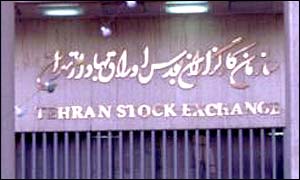 The market is up about 30% so far this year
After years of paying lip service to desperately needed economic reforms, Iran's government has started to deliver. This year it has slashed taxes, updated its foreign investment law, and overhauled its currency laws, announcing a single exchange rate for the Iranian rial, to replace the present complex system. It has also taken advantage of high oil prices to pay down its foreign debts. The effect of these changes can be seen on the Tehran Stock Exchange (TSE), which has risen by about 30% so far this year. That makes it one of the best performing markets in the world this year. Coming home Good returns on local financial markets have attracted about $7bn of Iranian money previously held abroad, according to Ahmed Mir-Motahari, the TSE's chief executive. "Because of the exchange rate and because of the cutting of interest rates in most European countries and the US, people are bringing their savings to their country, changing them into rials and buying shares," Mr Mir-Motahari told World Business Report. The rate of return here is much greater than the 1.25% in the US, low rates in most European countries and 0% in Japan, he explained. Some of the money may also have returned for fear of being frozen in the West on suspicion of financing international terror. More to do On the trading floor in Tehran there seems to be little fear of a crash, despite regional uncertainties, political infighting at home and the new surge of money being repatriated. But a sharp fall in the oil price or a US-led war against neighbouring Iraq would almost certainly send share prices tumbling. And, even though economic reforms have been welcomed by the small private sector in Iran, local businesses say far more needs to be done. The government dominates the local economy with its massive bureaucracy, and hundreds and thousands of young Iranians join the ranks of the unemployed each year. Self-made boom Outside the oil and gas sector, foreign investment is virtually non-existent. And Iran remains off-limits to US companies because of sanctions. Despite all this, Iran's economy is expected to grow by more than 6% this year. So for the moment, Iran has been able to brush aside accusations of being part of an axis of evil, and enjoy its own economic boom for the first time in many years. | | See also:  07 Nov 02 | Business 01 Nov 02 | Business 24 Oct 02 | Business 04 Oct 02 | Business 05 Apr 02 | Business Internet links: The BBC is not responsible for the content of external internet sites Top Business stories now: Links to more Business stories are at the foot of the page. | |||||||||||||||||||||||||||||||||||||||||||||||||||||||||||||||||||||||||||||||||||||||||||||||||||||||||||||||||||||||||||||||||||||||||||||||||||
| |
|  E-mail this story to a friend E-mail this story to a friend |
| |
| Links to more Business stories |
| | | ||
 | ||||
 | | Back to top
| ||
| ---------------------------------------------------------------------------------- To BBC Sport>> | To BBC Weather>> | To BBC World Service>> ---------------------------------------------------------------------------------- © MMIII | News Sources | Privacy |





