
|
 |
 | | | | | | ||||||||||||||||||||||||||||||||||||||||||||||||||||||||||||||||||||||||||||||||||||||||||||||||||||||||||||||||||||||||||||||||||||||||||||||||||||||||||||||||||||||||||||||||||||||||||||||||||
| | | You are in: Business | ||||||||||||||||||||||||||||||||||||||||||||||||||||||||||||||||||||||||||||||||||||||||||||||||||||||||||||||||||||||||||||||||||||||||||||||||||||||||||||||||||||||||||||||||||||||||||||||||||||
|
| | Thursday, 14 November, 2002, 15:40 GMT Zimbabwe pledges black market curbs 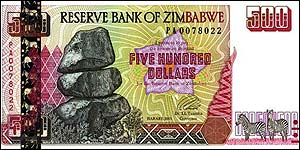 What is the Zimbabwe dollar worth? Zimbabwe is planning a crackdown on the black-market currency business by closing every bureau de change in the country. The plan, which will go into force by the end of November, is intended to rein in a parallel market in which a single US dollar is worth as many as 1,500 Zimbabwe dollars. The official rate - at which all export earnings must be exchanged - is just Zim$55 to the US dollar. The announcement formed part of the 2003 Budget statement, during which Finance Minister Herbert Murerwa admitted that the country's economy would contract by 11.9% this year, after shrinking by 7.3% in 2001. Mr Murerwa's announcement undercut even economists' most doleful predictions of a 10% contraction. The problem, he told parliament in Harare, was the drought afflicting most of southern Africa - coupled with "the necessary uncertainties associated with the land reform programme". In trouble Zimbabwe's crisis has seen unemployment rise to close to 70%, and the inflation rate soar above 100%. More than half the country's 12 million population are thought to be at risk of famine. Mr Murerwa promised inflation would drop into double figures by the end of 2003. The problems are exacerbated by the probable loss of a deal with Libya to supply scarce fuel in exchange for stakes in state-owned companies and tracts of prime land confiscated supposedly for resettlement by black farmers. Parallel rates Above all, the exchange rate imbalance makes economic management impossible, economists say. Businesses are paid for their exports at the official rate, but must buy inputs from abroad at the parallel rate. Former Finance Minister Simba Makoni was sacked earlier this year after publicly backing the idea of a devaluation - anathema to Mr Mugabe's ruling clique, from which Mr Murerwa is drawn. And despite the supposed crackdown, many Zimbabweans believe that the massive mismatch persists at least in part because the elites of Zimbabwean society and politics are making money from the difference. United Nations reports have shown that spoils from the war in the Democratic Republic of Congo end up in the coffers of the ruling party, Zanu-PF, and the pockets of senior government and military figures. Agriculture The budget also included measures to give more support to black farmers resettled on land stripped from commercial farmers since 2000. But neither the spending plans nor the exchange rate crackdown - should it actually come to pass - are expected to do much to address the country's problems. Corruption, mismanagement and the near-complete disruption of commercial farming by the fast-track land grab - as well as the drought - are the factors many independent economists blame for Zimbabwe's problems. | |
See also:  11 Nov 02 | Business 08 Nov 02 | Business 30 Oct 02 | Business 24 Oct 02 | Business 18 Sep 02 | Business 26 Jul 02 | Business 11 Jul 02 | Africa Internet links: The BBC is not responsible for the content of external internet sites Top Business stories now: Links to more Business stories are at the foot of the page. | ||||||||||||||||||||||||||||||||||||||||||||||||||||||||||||||||||||||||||||||||||||||||||||||||||||||||||||||||||||||||||||||||||||||||||||||||||||||||||||||||||||||||||||||||||||||||||||||||||
| |
|  E-mail this story to a friend E-mail this story to a friend |
| |
| Links to more Business stories |
| | | ||
 | ||||
 | | Back to top
| ||
| ---------------------------------------------------------------------------------- To BBC Sport>> | To BBC Weather>> | To BBC World Service>> ---------------------------------------------------------------------------------- © MMIII | News Sources | Privacy |






