|
 |
 | | | | | | ||||||||||||||||||||||||||||||||||||||||||||||||||||||||||||||||||||||||||||||||||||||||||||||||||||||||||||||||||||||||||||||||||||||||||||||||||||||||||||||||||||||||
| | | You are in: Business | ||||||||||||||||||||||||||||||||||||||||||||||||||||||||||||||||||||||||||||||||||||||||||||||||||||||||||||||||||||||||||||||||||||||||||||||||||||||||||||||||||||||||||
|
| | Thursday, 17 October, 2002, 13:26 GMT 14:26 UK Tourism chiefs confront Bali fallout 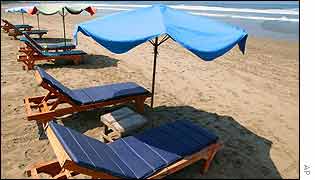 Hotels firms say 85% of rooms will soon be empty
Six days ago, Jean-Claude Baumgarten was in Indonesia to hold talks with the government about how to build on Bali's flourishing tourist trade.
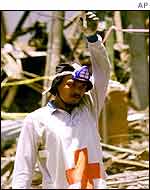
A few hours later those plans were consigned to rubble, along with the nightclub district of Bali where up to 200 people died after a car bomb exploded. As president of the World Travel and Tourism Council (WTTC), Mr Baumgarten headed for Bali, but on a different and more sombre mission - to restore visitors' confidence in the shattered resort. In Bali, he once again met Indonesia's tourism minister, but this time to attend a multi-faith ceremony in memory of those killed. "It was very touching, a lot of people were shaking and crying." 'A lost season' Airlines, hoteliers and tour firms have joined forces with local officials to set up a crisis committee to support the tourism industry but the huge scale of the emergency is hampering attempts to assess the commercial damage.
One thing is clear, however. "The cancellations have started, " said Mr Baumgarten. "Most probably next week instead of having an [hotel] occupancy rate of 70%, it will be closer to 15%." "It was also said that since the season is starting now it would be a lost season," he added. So what can be done to steady travellers' nerves, no doubt frayed by news of fresh explosions on Thursday at a shopping centre in the southern Philippines? The WTTC wants tougher security measures, and for them to be co-ordinated worldwide. To this end, it is planning a summit in London on 13 November to press for a new international tourism security convention. "There must be no country or sector where security is weak, posing a threat to travellers' confidence," it said. Restoring confidence But tourism is a leisure industry. Is visible security to best way to reassure its customers?
How relaxing can it be to lie on the beach with gun-toting soldiers wandering the tide-line? "You don't have to make out a holiday resort (into) an army camp," said Mr Baumgarten. "Like the airline industry did, you can start to have much more strict access procedures. "The most important thing is that you have to educate the employees about simple security measures" and thus create "a direct connection" with the police. "You don't have to have bodyguards, but....if you create awareness about the dangers it will create a state of mind which will help to prevent a recurrence," he said. Indonesian officials, and the WTTC, cite as an example of a successful confidence-building operation the Egyptian authorities' response to the massacre of tourists at the Luxor temple complex. All tours to Luxor are now escorted by armed guards and visitors are prohibited from wandering off the site alone. Price cuts? Discounting was among the most effective measures used by European budget airlines to retain passengers after the 11 September attacks on the US.
Any decision to cut prices to Bali is a matter for individual firms, said Mr Baumgarten. The nightmare scenario for the tourism industry would be if it came to symbolise the excesses of rich countries and indifference to poverty. Such a possibility was implicit in the Australian foreign minister's warning on Thursday "of disturbing new information of generic threats to Australians and Australian interests in Indonesia". The Australian government has now warned against all travel to Indonesia. "If people stop travelling they do exactly what the terrorists want," said Mr Baumgarten.
Travel and tourism employ nearly 200 million people worldwide. "Governments and the private sector have a mission to keep the flow of tourism in order to protect those jobs and to create new jobs." "By doing that, we will be part of what could be a solution in decreasing the gap between the haves and have nots," he said. The Asia Pacific region gained tourism business from other regions of the world after the 11 September attacks, but it has still lost out overall. | |
See also:  17 Oct 02 | Business 16 Oct 02 | Asia-Pacific 17 Oct 02 | Asia-Pacific 14 Oct 02 | Business Internet links: The BBC is not responsible for the content of external internet sites Top Business stories now: Links to more Business stories are at the foot of the page. | ||||||||||||||||||||||||||||||||||||||||||||||||||||||||||||||||||||||||||||||||||||||||||||||||||||||||||||||||||||||||||||||||||||||||||||||||||||||||||||||||||||||||
| |
|  E-mail this story to a friend E-mail this story to a friend |
| |
| Links to more Business stories |
| | | ||
 | ||||
 | | Back to top
| ||
| ---------------------------------------------------------------------------------- To BBC Sport>> | To BBC Weather>> | To BBC World Service>> ---------------------------------------------------------------------------------- © MMIII | News Sources | Privacy |