|
 |
 | | | | | | |||||||||||||||||||||||||||||||||||||||||||||||||||||||||||||||||||||||||||||||||||||||||||||||||||||||||||||||||||||||||||||||||||||||||||||||||||||||||||||||||||||
| | | You are in: Business | |||||||||||||||||||||||||||||||||||||||||||||||||||||||||||||||||||||||||||||||||||||||||||||||||||||||||||||||||||||||||||||||||||||||||||||||||||||||||||||||||||||||
|
| | Wednesday, 16 October, 2002, 17:16 GMT 18:16 UK Offshore rules run into the sand 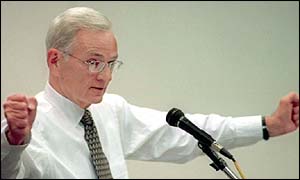 Paul O'Neill: Wants reforms to the company tax regime
In the case of Enron, the only thing that was hidden in banks based in islands in the sun was its massive debt burden. But for a range of US companies, it is the whole firm that - officially, at least - is heading offshore, although in reality can mean little more than a brass plate outside a lawyer's office.
They insist that it is the nightmarishly complex US corporate tax system that is forcing them into "corporate inversion", as the process is called, by making them uncompetitive compared with European rivals. However, in the febrile, war and election-driven atmosphere that is Washington DC today, the fight over corporate tax in general, and inversion in particular, is rapidly becoming very dirty indeed. A popular issue Half a dozen separate initiatives are under way in Congress to block inversion. Already companies moving offshore to avoid tax have only narrowly, and by dint of heavy lobbying, avoided being banned from bidding on defence contracts.
On Wednesday alone, three separate committees were working on how to develop further disincentives. In the House, the Ways and Means committee was considering a bill proposed by its Republican chairman Bill Thomas. The legislation would wrap measures to limit inversion in with other economic proposals. Meanwhile, the Senate Appropriations committee - chaired by North Dakota Democrat Byron Dorgan - was hearing testimony from senior Bush administration officials who were likely to back corporate contentions that their supposed tax avoidance was really a "moral issue" about competitiveness. "That's what we want them to say," one Democratic staffer said. "Let those who think it's defensible say so. "But Senator Dorgan thinks it's unpatriotic at best, when we're trying to pay for a costly war on terror, to do a paper transaction to avoid tax." And other Democrats are equally sceptical of the Thomas bill, charging that it just replaces one bit of pork with another. "The Republican-led House of Representatives has responded to renewed budget deficits with further tax breaks for the privileged few while it continues to ignore the billions lost to tax shelters and tax havens," Rep. Lloyd Doggett, a Texas Democrat, told the BBC. "As we begin a new fiscal year, Congress is months behind on the budget process while the House leadership brings up one vote after another on the same tax breaks, tax resolutions and tax repeals to distract from its disturbing inability to get the real work of Congress done." Ahead of the polls But how many of critics' words convey empty threats? Congress-people, lobbyists and commentators agree that nothing will come of any of these initiatives for at least a few months. With elections weeks away, they say, it is about votes rather than policy.
While the Thomas bill is streaking through committee, and may even come up before the whole House of Representatives before the 5 November election, the Senate Finance committee is only now setting up a much broader working group, and its own legislation will effectively die on polling day. Both will need to agree before anything gets done, and the ball will only start rolling again in February. Eyes on the prize In any case, the noise on inversion conceals a much bigger prize. What is really on the table is the chance of wholesale reform of corporate tax. The timing is right. The issue has finally gone public thanks to the "inversion hysteria", as corporate tax specialist Professor Mihir Desai of Harvard University puts it. And the prospect of a $4bn trade war with the European Union over one particular slice of corporate tax, providing exemptions for exporters, has also concentrated minds, he says. Four times now, the World Trade Organisation has ruled that US rules governing foreign sales corporations (FSCs) - the initial vehicles for the tax breaks - and their successor, the extraterritorial income exemption (ETI), are illegal.
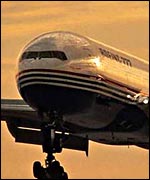
The Thomas bill - "a good first step", according to Mr Desai - proposes to sweep away the FSC rules but allows a range of tax deductions on interest payments. That upsets a number of big companies, mostly industrial firms which manufacture in the US, and which have collectively saved billions of dollars through FSCs and ETI. Aerospace and defence giant Boeing, for one, benefited by more than $200m in 2001 alone. Others, including Coca-Cola, Wal-Mart and General Motors, are behind the Thomas bill because it should switch some of the gain to themselves. Which is a pity, says Bill Reinsch, president of the National Foreign Trade Council, whose corporate members straddle the divide. Reforming corporate tax, which costs companies billions of dollars a year simply to calculate, is in everybody's interest, he says. "We end up talking not about policy and talking instead about benefits," he says. The White House steps in Nothing will happen publicly on this either until well after the elections, buying valuable time to talk further with Europe about avoiding sanctions on goods ranging from asparagus to diesel engines. So with the wind behind tax reform, the question becomes less "when" than "what". And this is where the White House is stepping in. It is well known that Treasury Secretary Paul O'Neill, former head of aluminium giant Alcoa, wants to scrap corporate income tax altogether, replacing it with some kind of value-added system. Full-scale proposals are due in the New Year. And his deputy, Kenneth Dam, has recently been making a point of speaking out on the issue. Bogged down But critics doubt that anything really substantive is going to come out in the near term.
Regardless of whether the coming election produces a Republican majority across Congress, which seems possible, Democrats say that the White House is not really ready to put its shoulder behind genuine reform. "They want to see this issue go away," says Stuart Eizenstat, deputy secretary of the Treasury - and ambassador to the EU - during Bill Clinton's presidency and now head of international trade at law firm Covington & Burling. Tax is such a divisive issue that bipartisan, wide-ranging consensus is needed. That takes time, he says - and commitment from the top. But the White House is doing little more than express support for the Thomas bill, which Mr Eizenstat contends does nothing to tackle the real seat of the problem. Thanks to inertia and years of pork-barrel politics, US corporate tax law is stuck somewhere in the pre-globalisation era, he believes. It is a holding action, which the White House hopes will allow time for some consensus to emerge - but without expending any political capital along the way on anything but the Big Bang solution. "There are very few people who believe it will ever get onto the president's desk," he says. So the issue will rumble on, and corporate inversion, the catalyst that started the ball rolling, is likely to get caught in the turbulence. And once the dust settles, Bermuda may be playing host to a few more brass plates yet. | |
See also:  15 Oct 02 | Business 13 Sep 02 | Business 02 Aug 02 | Business 26 Jul 02 | Business 15 Jul 02 | Business 04 Jun 02 | Business 03 Oct 02 | Business Internet links: The BBC is not responsible for the content of external internet sites Top Business stories now: Links to more Business stories are at the foot of the page. | |||||||||||||||||||||||||||||||||||||||||||||||||||||||||||||||||||||||||||||||||||||||||||||||||||||||||||||||||||||||||||||||||||||||||||||||||||||||||||||||||||||
| |
|  E-mail this story to a friend E-mail this story to a friend |
| |
| Links to more Business stories |
| | | ||
 | ||||
 | | Back to top
| ||
| ---------------------------------------------------------------------------------- To BBC Sport>> | To BBC Weather>> | To BBC World Service>> ---------------------------------------------------------------------------------- © MMIII | News Sources | Privacy |