|
 |
 | | | | | | ||||||||||||||||||||||||||||||||||||||||||||||||||||||||||||||||||||||||||||||||||||||||||||||||||||||||||||||||||||||||||||||||||||||||||||||||||||||||||||||||||||||||||||||
| | | You are in: Business | ||||||||||||||||||||||||||||||||||||||||||||||||||||||||||||||||||||||||||||||||||||||||||||||||||||||||||||||||||||||||||||||||||||||||||||||||||||||||||||||||||||||||||||||||
|
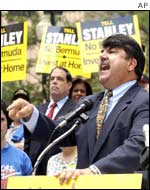
| | Friday, 2 August, 2002, 14:37 GMT 15:37 UK US firm ditches tax dodge 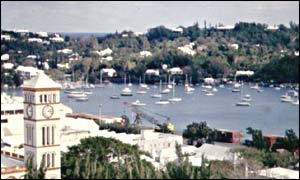 Bermuda: a popular location for a PO Box headquarters Stanley Works, the Connecticut company that earlier this year was forced to delay moving its headquarters to Bermuda to cut its tax bill, has decided to ditch the idea altogether. Pressure from Congress as well as proposed changes to lighten its US tax burden were the reasons, the company said in a statement.
And California, the richest and most populous state in the US, announced on 25 July that it would not only stop doing business with such companies; its pension funds would disinvest from them too. Money in the sun At stake is the new favourite "tax minimisation" technique of "corporate inversion": not only moving to Bermuda, but vesting ownership in Barbados, while all operations from manufacturing to management continue as normal back home. The idea is that because Barbados has a tax treaty with the US, companies whose ownership is formally there are exempt from US corporation tax. Add in a shell holding company in Bermuda, consisting usually of little more than a brass plate and a mailing address, and the job is complete. Opponents claim that because the firm's offices in the US are now using local and federal services without paying for them, they are cheating taxpayers, especially individuals and small businesses who cannot resort to high-priced lawyers and accountants to help them round the rules. With tough corporate accounting rules now passed by a reluctant President George W Bush, they want corporate inversion to be the next battleground. 'Level playing field' But according to companies like Stanley Works - and Tyco International, Accenture and Ingersoll-Rand which have already gone through with the move - their only motive is to level the playing field with foreign firms which face cheaper tax bills.
Congressional leaders had asked the company to back down in order to make room to reform the tax code. "We have honoured their request, and the ball is nowin their court," he said. "Ignoring this problem will not go away, but can only accelerate the trend of fewer US headquartered companies." Senior Republicans - including House Majority leader Dick Armey - are right behind this idea, and together with right-wing lobby groups such as the Centre for Freedom and Prosperity are pushing hard to have corporate taxes lowered, on the basis that US companies are disadvantaged by being taxed for foreign earnings as well as domestic ones. Unpatriotic expatriates? But a number of Democrats see things differently. Not least among them is Jim Maloney, who represents the district incorporating Stanley Works' New Britain headquarters. He co-sponsored an amendment - which became law on Wednesday - ensuring that companies reincorporating outside the US for tax reasons are barred from US Defense Department contracts. "The amendment... sends the message to corporate expatriates that they will no longer be able to feed from the federal trough," he said. Others sponsoring bills designed either to block other federal contracts or to close the loophole which permits the companies to head overseas including Lloyd Doggett, a representative from Texas.
In other words, they say, the company was looking to bilk the Treasury out of $23m. The White House connection With Congress now in recess till early September, the infighting will now revert to the constituencies ahead of elections in November. Now that corporate accounting scams have been legislated against, corporate inversion is next on the list. And Democrats will be keen to point out that the President, and many of his top officials, have been involved in this kind of deal themselves. In 1989 Harken Energy - the company on which President Bush made an $850,000 killing by selling stock in a way that attracted the attention of the Securities and Exchange Commission - set up an offshore unit to shield profits from a drilling project off Bahrain in the Persian Gulf. Minutes show Mr Bush signed off on the plan - having opposed it initially not for the tax dodge, but for reasons of cost. While vice-president Richard Cheney was head of energy firm Halliburton, it also used offshore subsidiaries as a tax minimisation measure. And Tom White, the Army Secretary, was responsible for a major unit of failed energy trader Enron, now held to have faked profits by hiding debts in offshore entities. | |
See also:  26 Jul 02 | Business 15 Jul 02 | Business 12 Jun 02 | Business 04 Jun 02 | Business 18 Apr 02 | Business 18 Apr 02 | Business 26 Mar 02 | Business 14 Jan 02 | Business 24 Jul 01 | Business 20 Jul 01 | Business Internet links: The BBC is not responsible for the content of external internet sites Top Business stories now: Links to more Business stories are at the foot of the page. | ||||||||||||||||||||||||||||||||||||||||||||||||||||||||||||||||||||||||||||||||||||||||||||||||||||||||||||||||||||||||||||||||||||||||||||||||||||||||||||||||||||||||||||||
| |
|  E-mail this story to a friend E-mail this story to a friend |
| |
| Links to more Business stories |
| | | ||
 | ||||
 | | Back to top
| ||
| ---------------------------------------------------------------------------------- To BBC Sport>> | To BBC Weather>> | To BBC World Service>> ---------------------------------------------------------------------------------- © MMIII | News Sources | Privacy |