|
 |
 | | | | | | ||||||||||||||||||||||||||||||||||||||||||||||||||||||||||||||||||||||||||||||||||||||||||||||||||||||||||||||||||||||||||||||||||||||||||||||||||||||||||||||
| | | You are in: Business | ||||||||||||||||||||||||||||||||||||||||||||||||||||||||||||||||||||||||||||||||||||||||||||||||||||||||||||||||||||||||||||||||||||||||||||||||||||||||||||||||
|
| | Friday, 27 September, 2002, 15:34 GMT 16:34 UK Rich nations urged to lead on trade  The rich world has come under fire for its trade policies
Rich countries that impose trade barriers while calling for developing nations to open their markets not only promote hypocritical policies but impede development, the World Bank has said.
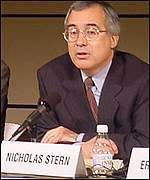
Calling the inequality in trade access a "serious issue", Mr Stern said "now is the time for action" for rich nations to begin playing fairly. Rich countries have been under fire for months now from International Monetary Fund (IMF) and World Bank officials to eliminate or reduce protectionist measures, such as tariffs and restrictive regulation. Punitive measures are often aimed at precisely those products that developing countries are best able to produce, said a report released on Friday by the World Bank and the IMF. Killing cotton "This pattern of protection creates hurdles for countries taking first steps up the technology ladder," the report said. The publication noted tariffs and quotas for textile exports to rich nations cost developing ones an estimated 27 million jobs.
"The numbers are sobering," said Kenneth Rogoff, director of economic research at the IMF, referring to the generous subsidies provided to industry and agriculture in rich nations. The report said agricultural subsidies in developed countries amounted to $311bn (�200bn) in 2001. They go mainly to large "agribusiness" corporations and undercut poor farmers in developing countries. For example, African farmers are the lowest-cost cotton producers in the world but cannot compete with international competitors who receive billions annually in subsidies. "The US is the world's strongest proponent of free trade, but when cotton farmers in Mali try to trade on the world market, they must compete against massively subsidised American cotton," said Gawain Kripke, senior trade advocate for Oxfam. "The rules are rigged against the poor." Beefy subsidies The IMF/World Bank report also noted that sugar prices in the US and Europe are three times higher than on the world market due to protection and subsidies for sugar-beet production, negatively affecting Brazil and other tropical producers of cane sugar.
Agricultural subsidies run about a $1bn a day roughly six times the aid afforded poor nations, said the World Bank's Stern. That translates into a $2.50 subsidy for the average European cow, while Japan subsidises its beef industry to the tune of $7 a cow per day, he said. Meanwhile, people in sub-Saharan Africa subsist on the less than $2 a day. Mr Stern added that poor nations have done much to open their markets and will continue to reap benefits from doing so regardless of actions taken or not taken by the developed world. "But the benefits will be much larger if rich countries lead by example," he said. "The opportunities... could be so much greater." | |
See also:  27 Sep 02 | Americas 26 Sep 02 | Business 26 Sep 02 | Business 25 Sep 02 | Business 23 Sep 02 | Business 24 Sep 02 | Business 19 Sep 02 | Business 19 Sep 02 | Business 24 Sep 02 | Business 23 Sep 02 | Business 18 Sep 02 | Business Internet links: The BBC is not responsible for the content of external internet sites Top Business stories now: Links to more Business stories are at the foot of the page. | ||||||||||||||||||||||||||||||||||||||||||||||||||||||||||||||||||||||||||||||||||||||||||||||||||||||||||||||||||||||||||||||||||||||||||||||||||||||||||||||
| |
|  E-mail this story to a friend E-mail this story to a friend |
| |
| Links to more Business stories |
| | | ||
 | ||||
 | | Back to top
| ||
| ---------------------------------------------------------------------------------- To BBC Sport>> | To BBC Weather>> | To BBC World Service>> ---------------------------------------------------------------------------------- © MMIII | News Sources | Privacy |