|
 |
 | | | | | | ||||||||||||||||||||||||||||||||||||||||||||||||||||||||||||||||||||||||||||||||||||||||||||||||||||||||||||||||||||||||||||||||||||||||||||||||||||||||||||||||||||||||||||
| | | You are in: Business | ||||||||||||||||||||||||||||||||||||||||||||||||||||||||||||||||||||||||||||||||||||||||||||||||||||||||||||||||||||||||||||||||||||||||||||||||||||||||||||||||||||||||||||||
|
| | Monday, 24 June, 2002, 09:55 GMT 10:55 UK Nagging doubts for G8 summit G8 leaders will be hoping for a durable recovery
How the mood changes from one summit to the next. Two years ago, the US economy was roaring ahead. It seemed too good to be true. Subsequent developments suggested that it was. By the time world leaders met in Genoa last year, the US and the global economy had slowed down sharply. Both flirted with recession - by some definitions they had one. Now things have moved on once again. So sighs of relief all round? Panic well and truly over? Well, maybe. The US economy put in an impressive bout of growth in the first quarter of this year - a very robust annual rate of 5.6%. Long-lasting? But there are nagging doubts about just how durable this recovery really is.
Investment by business continued to fall. The recovery owed a lot - too much for comfort - to businesses replenishing their stocks of finished goods and components. A substantial part of the slowdown was a matter of businesses running down these stocks, so they had to be restored sooner or later. But that rapid rebuilding of stocks can't go on for more than one or two quarters. Pocket-books shut Consumers came to the rescue repeatedly over the last year or two. Robust spending in the shops ensured the slowdown wasn't even deeper. Now, one major investment bank says the consumer is taking a breather. Retail sales fell last month. And a widely watched survey of consumer confidence by the University of Michigan showed a pronounced deterioration. And then there is the stock market. There were strong gains earlier in the year, as you would expect during the early stages of an economic recovery. But the last few weeks have seen Wall Street and the Nasdaq - the market where so many of the new technology companies are traded - drifting downwards. No confidence It has not been a crash. But it has been a substantial and uncomfortable decline. And by some measures, American shares are still highly priced. Enron and the damage done to investors' confidence is also a nagging ache for the stock market. They were badly misled by Enron's published accounts. How many more such festering sores are there waiting to see the light of day? Many companies have had to restate their accounts since Enron's fall from grace last year, as regulators try to clamp down on misleading accounting practices and Congress debates changing the law. In turn, the stock-market gloom has put pressure on the dollar. Many international investors have taken Wall Street's woes as a cue to shift their money into European and Asian shares. Looking for a new engine of growth With the outlook for the US uncertain, there is no other credible source of global economic dynamism.
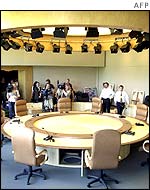
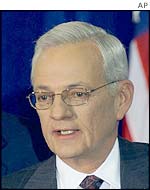
And Japan has shown some signs of economic recovery, but will it last? Previous improvements over the last decade have never lasted much longer the country's famous cherry blossoms. These are doubts rather than compelling reasons for gloom about the global economic outlook. Even so, a return to the robust performance of the late 1990s seems a remote prospect. G8 to the rescue? So what can a G8 summit do to help? Talk is one thing and it's cheap. The Finance Ministers of the G7 - the G8 minus Russia - have already been doing that when they met earlier this month. The US Treasury Secretary Paul O'Neill said the recent weakness of the stock market is unbelievable and not based on substantive information. The G8 summit will in all probability try to reinforce that sort of message. Stephen King of HSBC Investment Bank says the G8 could also help the global outlook by promising not to do anything stupid - like increasing trade protectionism or unilaterally devaluing currencies to gain a competitive advantage. But what the eight leaders do and say at these summits is not going to be the decisive factor in shaping the global economic outlook. | |
See also:  21 Jun 02 | Business Top Business stories now: Links to more Business stories are at the foot of the page. | ||||||||||||||||||||||||||||||||||||||||||||||||||||||||||||||||||||||||||||||||||||||||||||||||||||||||||||||||||||||||||||||||||||||||||||||||||||||||||||||||||||||||||||
| |
|  E-mail this story to a friend E-mail this story to a friend |
| |
| Links to more Business stories |
| | | ||
 | ||||
 | | Back to top
| ||
| ---------------------------------------------------------------------------------- To BBC Sport>> | To BBC Weather>> | To BBC World Service>> ---------------------------------------------------------------------------------- © MMIII | News Sources | Privacy |