|
 |
 | | | | | | |||||||||||||||||||||||||||||||||||||||||||||||||||||||||||||||||||||||||||||||||||||||||||||||||||||||||||||||||||||||||||||||||||||||||||||||||||||||||||||||||||||||||||||||||||||||||
| | | You are in: Asia-Pacific | |||||||||||||||||||||||||||||||||||||||||||||||||||||||||||||||||||||||||||||||||||||||||||||||||||||||||||||||||||||||||||||||||||||||||||||||||||||||||||||||||||||||||||||||||||||||||||
|
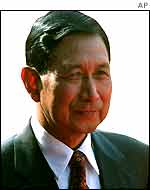
| | Thursday, 28 February, 2002, 15:47 GMT Burma's unmoving generals  General Than Shwe: Will he relinquish power voluntarily?
"Nothing happens in Burma without the military's approval," said a Western diplomat based in Rangoon who didn't want to be identified. "Their sole purpose is to maintain power and control." New generation There has been a major reshuffle of the army and military government. Several ministers have been sacked for alleged involvement in corruption and the powerful regional commanders have all been replaced by younger officers.
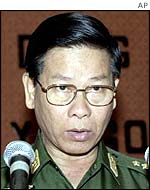
Most analysts believe the military has started a process of rejuvenation. "Burma's current military leaders are anxious to ensure that the future army leaders are given the necessary training and experience to take over in the future," said a Western intelligence expert based in Bangkok. "The new regional commanders are all in their 40s," he said. "Compare this with the moribund leadership of the opposition National League Democracy - all in their 70s." Power struggle This reform of the military also involves a streamlining of the command structure, from top to bottom. The country's three, top military figures - the head of state General Than Shwe, the army chief General Maung Aye and the intelligence chief Lieutenant General Khin Nyunt - wield complete power.
Even applications for a journalist visa have to be approved by Khin Nyunt. There has been much speculation about a power struggle between Maung Aye and Khin Nyunt and there are certainly many differences of opinion on many issues. Maung Aye is more xenophobic and inward looking, while Khin Nyunt is keener on more international contact and reaching outwards. Analysts are still trying to assess the political implications of a series of recent changes:
Some analysts are suggesting the appointment of younger regional commanders will favour Khin Nyunt.
But diplomats are convinced talk of a genuine power struggle overstates the situation. A former Australian ambassador to Rangoon said: "They know they must stay together or hang separately. That's why they are so keen on collective responsibility." Siege mentality Western military analysts believe the Burmese military leaders have developed a siege mentality. They do not trust any civilians - even those in government - believing only soldiers can run the country. "The military regime will not do anything to diminish its grip on power," said an Australian military expert in Canberra, "but will try everything to fend off perceived threats and consolidate their position." "They may adjust their ruling style, try different ways of administering the country and even contemplate discussions with the opposition, but will not consciously relinquish real power for Burma's generals remain convinced that only the army can guarantee Burma's survival." | |
See also:  30 Jan 02 | Asia-Pacific 28 Jan 02 | Asia-Pacific 11 Dec 01 | Asia-Pacific 10 Dec 01 | Asia-Pacific 08 Dec 01 | Asia-Pacific 07 Dec 01 | Asia-Pacific 05 Dec 01 | Asia-Pacific 06 Sep 01 | Asia-Pacific 27 Aug 01 | Asia-Pacific 19 Jul 01 | Asia-Pacific Internet links: The BBC is not responsible for the content of external internet sites Top Asia-Pacific stories now: Links to more Asia-Pacific stories are at the foot of the page. | |||||||||||||||||||||||||||||||||||||||||||||||||||||||||||||||||||||||||||||||||||||||||||||||||||||||||||||||||||||||||||||||||||||||||||||||||||||||||||||||||||||||||||||||||||||||||
|  |
|  E-mail this story to a friend E-mail this story to a friend |
 | |
| Links to more Asia-Pacific stories |
| | | ||
 | ||||
 | | Back to top
| ||
| ---------------------------------------------------------------------------------- To BBC Sport>> | To BBC Weather>> | To BBC World Service>> ---------------------------------------------------------------------------------- © MMIII | News Sources | Privacy |






 [The general's] sole purpose is to maintain power and control