|
 |
 | | | | | | ||||||||||||||||||||||||||||||||||||||||||||||||||||||||||||||||||||||||||||||||||||||||||||||||||||||||||||||||||||||||||||||||||||||||||||||||||||||||||||||||
| | | You are in: Americas | ||||||||||||||||||||||||||||||||||||||||||||||||||||||||||||||||||||||||||||||||||||||||||||||||||||||||||||||||||||||||||||||||||||||||||||||||||||||||||||||||||
|
| | Wednesday, 22 January, 2003, 02:12 GMT Hispanics become largest US minority  There are now 37 million Hispanics in the US Hispanics have become the largest minority in the US, according to newly released government figures. For the first time, there are now more Hispanics than Black Americans - 37 million Hispanics, compared to 36 million blacks, says the United States Census Bureau.
Hispanics comprise nearly 13% of the US population which has now hit 284.4 million people, according to the figures. Observers say the trend is likely to continue because of higher birth rates and increased immigration from Latin American countries. Census Bureau demographer Roberto Ramirez said it has long been expected that Hispanics would some day surpass blacks. "And the trend shows it will clearly be increasing more in the future," Mr Ramirez said. Demographers had already been surprised by the fast growth rate of the Hispanic community when the last official census was taken in 2000. Faster increase The number of Hispanics rose 4.7% between 2000 and 2001 while the black population increased by just 2%. Asians are the next largest minority group after blacks and Hispanics, at about 12.1 million, or 4% of the population, while the native American population rose 1.5% to 4.3 million.
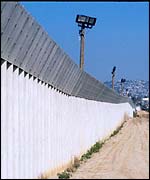
Whites remained the largest single population group, numbering about 199.3 million in July 2001, nearly 70% of all US residents. The overall population rose 3.4% from 281.4 million in April 2000, according to the bureau. The estimates are the Census Bureau's first statistics on race and ethnicity since the results from the 2000 census were released. Leaving Mexico Some two-thirds of the Hispanic community is of Mexican origin and correspondents say they take extraordinary risks in order to enter the US. The latest fatality figures for illegal migrants show that since last October, more than 20 have died trying to get across the border. The BBC's David Willis in Los Angeles says that many of those who do make it end up doing manual or menial tasks in order to earn a living. Every day throughout Los Angeles, he says, hundreds are to be found outside home improvement stores offering their services in return for the minimum hourly wage. Many parts of the city have become heavily reliant on their labour. | | See also:  07 Mar 01 | Americas 30 Apr 01 | Americas 16 Dec 02 | Entertainment 02 Nov 02 | From Our Own Correspondent 11 Sep 02 | Americas Internet links: The BBC is not responsible for the content of external internet sites Top Americas stories now: Links to more Americas stories are at the foot of the page. | ||||||||||||||||||||||||||||||||||||||||||||||||||||||||||||||||||||||||||||||||||||||||||||||||||||||||||||||||||||||||||||||||||||||||||||||||||||||||||||||||
 | |
|  E-mail this story to a friend E-mail this story to a friend |
| |
| Links to more Americas stories |
| | | ||
 | ||||
 | | Back to top
| ||
| ---------------------------------------------------------------------------------- To BBC Sport>> | To BBC Weather>> | To BBC World Service>> ---------------------------------------------------------------------------------- © MMIII | News Sources | Privacy |