|
 |
 | | | | | | ||||||||||||||||||||||||||||||||||||||||||||||||||||||||||||||||||||||||||||||||||||||||||||||||||||||||||||||||||||||||||||||||||||||||||||||||||||||||||||||
| | | You are in: Africa | ||||||||||||||||||||||||||||||||||||||||||||||||||||||||||||||||||||||||||||||||||||||||||||||||||||||||||||||||||||||||||||||||||||||||||||||||||||||||||||||||
|
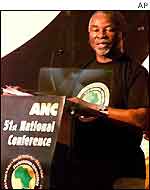
| | Monday, 16 December, 2002, 12:23 GMT Mbeki bemoans racial divisions 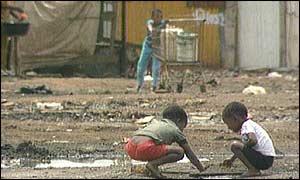 Critics of Thabo Mbeki say he has failed to address poverty President Thabo Mbeki has said that South Africa still has a long way to go if it is to create a non-racial society. The bulk of the economy, including the land, remains predominantly white-owned, nine years after the end of apartheid, he said in an opening speech to the African National Congress convention. He told thousands of delegates from across the country that ANC policies are working and producing greater wealth for the black majority but more rapid progress was needed. A correspondent for the BBC says President Mbeki went out of his way to reach out to all factions in his party. 'Racist forces' "Wealth, income, opportunity and skills continue to be distributed according to racial patterns," he told the 3,000 ANC delegates.
He told the convention, which gathers every five years, that they needed to address the political turmoil in neighbouring Zimbabwe. And he stressed the importance of the alliance with the Communist party and the trade unions, and in a reference which won warm applause, he warned of growing corruption and careerism in the ANC. President Mbeki was particularly harsh in his criticisms of far right Afrikaner groups, who are reported to have launched a bombing campaign in recent weeks, saying they were forces of racism. The conference at a university town north-east of Cape Town is likely to re-elect Thabo Mbeki as party president ahead of general elections in 2004. The ANC is expected to win, giving Mr Mbeki a second term in office. Apartheid birthplace However, divisions have been growing to Mr Mbeki's policies within the broad-based ANC, which refers to itself as a movement and not a party. Many have expressed dismay at what they say is the government's failure to address poverty, unemployment and the Aids pandemic. They also oppose the government's privatisation programmes. But Mr Mbeki has defended the movement's direction. He is expected to confront elements he has termed "ultra-leftists" in the review of the movement's social and economic policies. About 5,000 people - including 3,000 delegates with voting rights - are expected at the conference, which is the third since the party took power in 1994. Ironically, it is being held at the Afrikaans-language Stellenbosch University, where the segregationist doctrine of apartheid was born in the 1940s. | | See also:  15 Dec 02 | Africa 29 Jul 02 | Africa 24 Nov 02 | Africa 18 Jul 02 | Business 17 May 02 | Business 29 Jul 01 | Africa 01 Oct 02 | Africa 13 Dec 02 | Africa Internet links: The BBC is not responsible for the content of external internet sites Top Africa stories now: Links to more Africa stories are at the foot of the page. | ||||||||||||||||||||||||||||||||||||||||||||||||||||||||||||||||||||||||||||||||||||||||||||||||||||||||||||||||||||||||||||||||||||||||||||||||||||||||||||||
| |
|  E-mail this story to a friend E-mail this story to a friend |
| |
| Links to more Africa stories |
| | | ||
 | ||||
 | | Back to top
| ||
| ---------------------------------------------------------------------------------- To BBC Sport>> | To BBC Weather>> | To BBC World Service>> ---------------------------------------------------------------------------------- © MMIII | News Sources | Privacy |