|
 |
 | | | | | | ||||||||||||||||||||||||||||||||||||||||||||||||||||||||||||||||||||||||||||||||||||||||||||||||||||||||||||||||||||||||||||||||||||||||||||||||||||||||||||||||||||||||||||||||||||||||||||||||||||||||
| | | You are in: Africa | ||||||||||||||||||||||||||||||||||||||||||||||||||||||||||||||||||||||||||||||||||||||||||||||||||||||||||||||||||||||||||||||||||||||||||||||||||||||||||||||||||||||||||||||||||||||||||||||||||||||||||
|
| | Sunday, 24 November, 2002, 21:14 GMT Divisions hit South Africa's ANC
There are growing signs of divisions within South Africa's ruling African National Crongress ahead of next month's triennial conference.
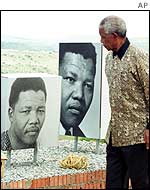
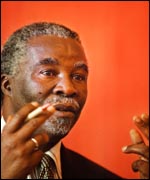
The ANC's national executive has annulled the results of provincial party elections in the Eastern Cape, and called for a more open, accountable process. The Eastern Cape matters to the ANC; former President Nelson Mandela and current President Thabo Mbeki were born there, and of South Africa's nine provinces, it will send the most delegates to the upcoming party conference. President Mbeki is keen to avoid any open signs of dissent. But the political chaos in the Cape is indicative of a wider struggle for control within the party.
These policies have won the ANC international praise, but have alienated many of its traditional, poor supporters, who are badly affected by rising unemployment, and who have not felt the benefits of only modest economic growth. President Mbeki's own position within the party is secure. He will almost certainly remain in office until 2009, by which time he would have served the constitutional limit of two terms. But if the ANC cannot deliver improved living standards to the majority of South Africans, it will find it increasingly difficult to control dissent within its ranks. | |
See also:  29 Jul 02 | Africa 18 Jul 02 | Business 01 Jul 02 | Business 17 May 02 | Business 29 Jul 01 | Africa 11 Jul 02 | Country profiles 01 Oct 02 | Africa Internet links: The BBC is not responsible for the content of external internet sites Top Africa stories now: Links to more Africa stories are at the foot of the page. | ||||||||||||||||||||||||||||||||||||||||||||||||||||||||||||||||||||||||||||||||||||||||||||||||||||||||||||||||||||||||||||||||||||||||||||||||||||||||||||||||||||||||||||||||||||||||||||||||||||||||
| |
|  E-mail this story to a friend E-mail this story to a friend |
| |
| Links to more Africa stories |
| | | ||
 | ||||
 | | Back to top
| ||
| ---------------------------------------------------------------------------------- To BBC Sport>> | To BBC Weather>> | To BBC World Service>> ---------------------------------------------------------------------------------- © MMIII | News Sources | Privacy |