|
 |
 | | | | | | |||||||||||||||||||||||||||||||||||||||||||||||||||||||||||||||||||||||||||||||||||||||||||||||||||||||||||||||||||||||||||||||||||||||||||||||||||||||||||||||||||||||||||||||||||||||||||||||||||||||||
| | | You are in: Africa | |||||||||||||||||||||||||||||||||||||||||||||||||||||||||||||||||||||||||||||||||||||||||||||||||||||||||||||||||||||||||||||||||||||||||||||||||||||||||||||||||||||||||||||||||||||||||||||||||||||||||||
|
| | Sunday, 15 December, 2002, 09:45 GMT Analysis: Battle for ANC's soul 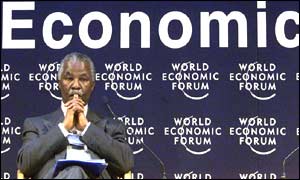 President Mbeki's economic policy is under attack
And they won't be fired off in celebration of another five years in power.
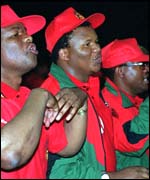
They will be going off in the conference hall in Stellenbosch in the Western Cape as ANC leader and national president Thabo Mbeki takes on what he calls the "ultra-leftists" within the movement. There have been divisions within the ANC for some time but they are widening ahead of the decision-making conference. ANC members from the South African Communist Party (SACP) and the Congress of South African Trades Unions (Cosatu) are fiercely critical of the government's policy of privatisation of state-owned industries and its conservative economic policies. President Mbeki and his supporters within the governing movement have denounced the critics as being on the extreme left and being "oppositionists" who are obstructing ANC policies. This has led to in-fighting and rancour within the ANC. In October, Cosatu held two days of strikes to protest against privatisation - Cosatu claimed a "largely positive" response from workers but business organisations said only 15% of workers went on strike. Broad church Since its foundation in 1912, the ANC has been a broad movement. Over 90 years it has taken in an ever wider range of members and it still refers to itself as a "national liberation movement" rather than a party, which welcomes members irrespective of race, colour and creed. Its policy framework is based on "the creation of a united, non-racial, non-sexist and democratic society".
The movement describes its objectives as the liberation "of Africans in particular and black people in general from political and economic bondage... uplifting the quality of life of all South Africans, especially the poor". Such a broad remit enables the ANC to include people from the centre of politics to the communists. Seen as a strength during the fight against apartheid, this diversity has become a problem since the ANC was elected to power in 1994. Prudence versus poverty reduction Eight years of government have seen greater political stability than could have been expected after decades of civil conflict over apartheid. And during a period of global economic instability, the economy has remained stable - with steady if not huge economic growth and reductions in inflation and the budget deficit. But this growth and stability has, according to analysts like Patrick Laurence of the Financial Mail, been accompanied by "continuing, and perhaps even worsening, poverty and deprivation in many parts of the country". And this, plus the government's policy of privatising state-owned industries, is at the heart of the ANC split. The Cosatu strike in October was against privatisation, which it said caused unemployment and worsened poverty. The government argued it was necessary for prudent management of the economy and the maintenance of international confidence. Many communists also oppose government economic policies fiercely. In a message of support to Cosatu at the beginning of December, the party appealed to the ANC conference "not to be diverted from discussing and resolving on a programme to fight poverty, fight unemployment". Battle lines are drawn President Mbeki and his supporters accuse the trades unions of misleading people over the economy. The ANC has been holding meetings across the country to prepare for elections to the movement's National Executive Committee (NEC) at the conference.
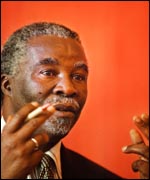
At one meeting in October, Thabo Mbeki launched a bitter attack on the left. "It will be the task of the congress to make the matter very plain to everybody that the ANC will defend itself against all attacks, whether from the right-wing or the ultra-left," he said. South African political commentators see this as the start of a campaign against the left that could become an attempt to purge them from the ANC leadership. The linking of the left with the right-wing, after recent bombings blamed on the extreme right, was the strongest indication yet of Thabo Mbeki's impatience with his left-wing critics within the movement. | |
See also:  29 Jul 02 | Africa 24 Nov 02 | Africa 18 Jul 02 | Business 01 Jul 02 | Business 17 May 02 | Business 29 Jul 01 | Africa 11 Jul 02 | Country profiles 01 Oct 02 | Africa Internet links: The BBC is not responsible for the content of external internet sites Top Africa stories now: Links to more Africa stories are at the foot of the page. | |||||||||||||||||||||||||||||||||||||||||||||||||||||||||||||||||||||||||||||||||||||||||||||||||||||||||||||||||||||||||||||||||||||||||||||||||||||||||||||||||||||||||||||||||||||||||||||||||||||||||
| |
|  E-mail this story to a friend E-mail this story to a friend |
| |
| Links to more Africa stories |
| | | ||
 | ||||
 | | Back to top
| ||
| ---------------------------------------------------------------------------------- To BBC Sport>> | To BBC Weather>> | To BBC World Service>> ---------------------------------------------------------------------------------- © MMIII | News Sources | Privacy |






 The ANC will defend itself against all attacks, whether from the right-wing or the ultra-left