|
 |
 | | | | | | ||||||||||||||||||||||||||||||||||||||||||||||||||||||||||||||||||||||||||||||||||||||||||||||||||||||||||||||||||||||||||||||||||||||||||||||||||||||||||||||||||||||||||||||||
| | | You are in: Africa | ||||||||||||||||||||||||||||||||||||||||||||||||||||||||||||||||||||||||||||||||||||||||||||||||||||||||||||||||||||||||||||||||||||||||||||||||||||||||||||||||||||||||||||||||||
|
| | Monday, 9 December, 2002, 18:25 GMT Congolese discuss deal  The scars of war will not go quickly
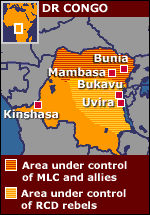
A new round of peace negotiations for the Democratic Republic of Congo is beginning in South Africa, under the mediation of President Thabo Mbeki. Representatives of the Kinshasa government, of the rebel factions, political parties, Mai Mai militias and civil society have all, once again, travelled to Pretoria to continue the power sharing talks.
These talks are only the latest stage in a several month long process, chaired by Mr Mbeki and Mustapha Niasse, representing the UN secretary general. So far the different sides have agreed to three important principles.
The Kinshasa government, and the largest two rebel groups - the MLC and RCD-Goma will each have a vice president and the political opposition parties will have the fourth. Chaos Beyond that the disagreements begin. RCD-Goma, the MLC and several political parties believe that power must be divided along the same formula all the way through the government down to the street level. Kinshasa and other groups say this would lead to chaos. There are also disagreements on how to form a new national army, and on how to protect the rebel leaders when-or if, they come to Kinshasa. The main rebel groups say they should be able to bring their own troops into the capital - the government of course rejects the idea. The talking will not end soon. | |
See also:  21 Nov 02 | Africa 15 Nov 02 | Africa 29 Oct 02 | Africa 29 Oct 02 | Africa 26 Oct 02 | Africa 25 Oct 02 | Africa 24 Oct 02 | Africa Internet links: The BBC is not responsible for the content of external internet sites Top Africa stories now: Links to more Africa stories are at the foot of the page. | ||||||||||||||||||||||||||||||||||||||||||||||||||||||||||||||||||||||||||||||||||||||||||||||||||||||||||||||||||||||||||||||||||||||||||||||||||||||||||||||||||||||||||||||||
| |
|  E-mail this story to a friend E-mail this story to a friend |
| |
| Links to more Africa stories |
| | | ||
 | ||||
 | | Back to top
| ||
| ---------------------------------------------------------------------------------- To BBC Sport>> | To BBC Weather>> | To BBC World Service>> ---------------------------------------------------------------------------------- © MMIII | News Sources | Privacy |