|
 |
 | | | | | | ||||||||||||||||||||||||||||||||||||||||||||||||||||||||||||||||||||||||||||||||||||||||||||||||||||||||||||||||||||||||||||||||||||||||||
| | | You are in: Monitoring: Media reports | ||||||||||||||||||||||||||||||||||||||||||||||||||||||||||||||||||||||||||||||||||||||||||||||||||||||||||||||||||||||||||||||||||||||||||||
|
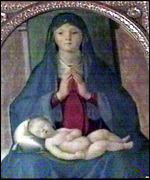
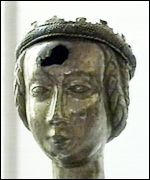
| | Friday, 24 May, 2002, 12:53 GMT 13:53 UK Slovenia wants return of 'Istria's jewels' The Istrian peninsula has changed hands many times Slovenia wants the return of artworks by leading Venetian Renaissance artists which were removed by Italy during World War II.
Slovene television said the works of art, known as "Istria's jewels", were taken by the Italians from churches, museums and convents on the Istrian peninsula, in June 1940. The report also asserted that the masterpieces, by artists including Veneziano, Carpaccio, Tiepolo, Vivarini and Giovanni Bellini, had remained hidden in wooden crates in the cellars of the Venezia Palace in Rome for 60 years. The works are currently on display in Rome. The Italian Culture Under-secretary, Vittorio Sgarbi, has said that there is no question of returning them. Venice controlled much of the Dalmatian coast, including the Istrian peninsula, for 400 years - until the early 19th century. "These works of art are completely Italian," he told a Slovene-language newspaper in Trieste. Political art The area of western Slovenia from where the works of art were taken belonged to Italy between the wars.
It was ceded to Yugoslavia as part of the post-war arrangement in 1947 and confirmed in 1975 under the Treaty of Osimo, which defined the border between Italy and Yugoslavia. Slovenia became independent in 1991. But the Slovene authorities say that regardless of their status, the works of art should be returned to their place of origin. The Bishop of the Diocese of Koper, from where several pieces were taken, Msgr Metod Pirih, said they should be returned "to the place where they were commissioned and from where they were taken." The Slovene Foreign Ministry has called on the Italians to set up a commission to discuss the issue.
Many of the canvasses have faded after being enclosed for so long, she told Slovene TV. Former glory The report said that the Italian authorities had agreed to allow Slovene experts to monitor the restoration process. The Director of the Regional Museum of Koper, Salvator Zitko, said he believed Slovenia would have a better chance of having the works of art returned after Slovenia joins the European Union. "The most important thing, and both sides agree, is to restore Istria's rediscovered jewels to their former glory," he said. BBC Monitoring, based in Caversham in southern England, selects and translates information from radio, television, press, news agencies and the Internet from 150 countries in more than 70 languages. | | See also:  08 Dec 00 | Americas 05 Nov 98 | Europe 14 Apr 98 | Europe 03 Dec 01 | South Asia 29 Apr 00 | Europe Internet links: The BBC is not responsible for the content of external internet sites Top Media reports stories now: Links to more Media reports stories are at the foot of the page. | ||||||||||||||||||||||||||||||||||||||||||||||||||||||||||||||||||||||||||||||||||||||||||||||||||||||||||||||||||||||||||||||||||||||||||
| |
|  E-mail this story to a friend E-mail this story to a friend |
| |
| Links to more Media reports stories |
| | | ||
 | ||||
 | | Back to top
| ||
| ---------------------------------------------------------------------------------- To BBC Sport>> | To BBC Weather>> | To BBC World Service>> ---------------------------------------------------------------------------------- © MMIII | News Sources | Privacy  |