|
 |
 | | | | | | |||||||||||||||||||||||||||||||||||||||||||||||||||||||||||||||||||||||||||||||||||||
| | | You are in: UK: Scotland | |||||||||||||||||||||||||||||||||||||||||||||||||||||||||||||||||||||||||||||||||||||||
|
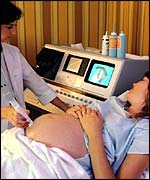
| | Thursday, 10 October, 2002, 13:27 GMT 14:27 UK Drive to cut maternal deaths 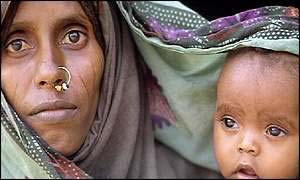 The programme is focused on the developing world Efforts to cut the rate of maternal mortality in the developing world are to be spearheaded by a team from a Scottish university. Staff at the Dugald Baird Centre on Women's Health at Aberdeen University hope their work will dramatically reduce the number of women in the poorest countries who die in childbirth. Figures from the Immpact (Initiative for Maternal Mortality Programme Assessment) initiative revealed an estimated 515,000 women in the developing world die giving birth or during pregnancy. But the university experts believe that annual figure can be cut because most of the deaths could be prevented.
Immpact has backing from the European Commission, the World Bank and the World Health Organisation and is expected to raise up to $40m dollars over the next four years. The initiative's staff will work with governments and aid agencies in eight developing countries. In the world's poorest countries, one in 10 women on average die when pregnant, while in Northern Europe the figure is one in 8,000. At the launch, Professor Wendy Graham, Immpact principal investigator, told guests about a woman in an African village who died of sceptic shock because her family could not afford �150 for a Caesarean birth. The child was delivered in unsanitary conditions on a bare floor at home, when she did reach a hospital there was no midwife, her husband had to borrow money for antibiotics and it was too late to save her. 'Problem is big' Prof Graham said: "This is but one single case of the estimated half-a-million maternal deaths that occur each year - over 99% in developing countries. "This is really a 'guesstimate' of the number of maternal deaths as many are not captured by the health information systems in these countries. "We know the problem is big - but not exactly how big." He added: "This case would not be too dissimilar to those found in the United Kingdom over a 100 years ago - when deaths in childbirth were still very much a reality." The initiative is expected to last seven years. | | See also:  09 Oct 02 | Science/Nature 11 May 01 | Africa 16 Nov 99 | Scotland 02 Nov 99 | Health 23 Nov 98 | Health Internet links: The BBC is not responsible for the content of external internet sites Top Scotland stories now: Links to more Scotland stories are at the foot of the page. | |||||||||||||||||||||||||||||||||||||||||||||||||||||||||||||||||||||||||||||||||||||
| |
|  E-mail this story to a friend E-mail this story to a friend |
| |
| Links to more Scotland stories |
| | | ||
 | ||||
 | | Back to top
| ||
| ---------------------------------------------------------------------------------- To BBC Sport>> | To BBC Weather>> | To BBC World Service>> ---------------------------------------------------------------------------------- © MMIII | News Sources | Privacy |