|
 |
 | | | | | | ||||||||||||||||||||||||||||||||||||||||||||||||||||||||||||||||||||||||||||||||||||||||||||||||||||||||||||||||||||||||||||||||||||||||||||||||||||||||||||||||||||||||||||||||||||||||||||||||||||||||||||||||||||||||
| | | You are in: UK: Scotland | ||||||||||||||||||||||||||||||||||||||||||||||||||||||||||||||||||||||||||||||||||||||||||||||||||||||||||||||||||||||||||||||||||||||||||||||||||||||||||||||||||||||||||||||||||||||||||||||||||||||||||||||||||||||||||
|
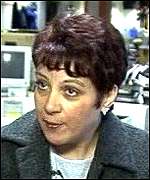
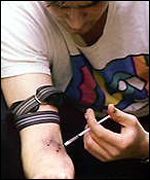
| | Thursday, 22 August, 2002, 11:13 GMT 12:13 UK Working together to crack crime  Crime touches the lives of thousands of people Can crime be cracked? On 18 September the BBC is planning to give extensive coverage to people who have done their bit to tackle crime in a series of special programmes and features. Crime touches the lives of thousands of people every day, its effects can be seen across the whole of the United Kingdom. But the BBC's Crime Day - on the internet, radio and television - will show that there are people and communities who are managing to fight back against the criminals. Click here to find out how you can take part in Crime Day Mothers Against Drugs is one such group. By working with the police and by standing firm against drug dealers they are turning around one of Glasgow's most blighted communities. Steve Brocklehurst, of BBC News Online Scotland, spoke to Gaille McCann to hear the story of Mothers Against Drugs. Drug deals on the streets of Cranhill were an everyday occurrence. The residents did not know how to fight back. But the death of a 13-year-old from an heroin overdose was the catalyst for a community to take action to get their lives back. The death of Allan Harper convinced the residents of Cranhill, in Glasgow's east end, that they could no longer stand by and watch drug dealers ruin the lives of their children.
A candlelit vigil attended by more than 500 local residents led to the formation of Mothers Against Drugs (Mad). The group has campaigned tirelessly for four years to have police, prosecution services and government take more action against the dealers who were blighting their lives. The success of Mad has led to women throughout the country seeking advice about how they can take back their communities. And the problem is not just consigned to the deprived areas of Scotland's big cities. Mad now has groups in the Highland village of Alness in Easter Ross, Twechar on the edge of the Campsie fells and Irvine in Ayrshire. Candlelight vigil At Allan Harper's funeral in 1998, mourners listened as the priest told the people of Cranhill that the responsibility to stamp out the drugs menace lay with them all. He said turning a "blind eye" to the problem had led to Allan's death and that the community could no longer afford to say "it's none of my business".
Within a couple of weeks, a candlelit vigil involving hundreds of concerned mums was held in Allan's honour to serve as a warning that they had suffered enough. They took to the streets, marching in silence past drug dealers' houses, giving them the message that their time was up. Gaille McCann, one of the founder members of Mad, said: "Drug dealers had taken over our lives. We had to do something public. "We were telling them that we were not going to put up with it any more." Ms McCann admits that most people were very afraid about the risks involved with standing up to the dealers but she says they were spurred on by the thought that their children were at risk. Menace of drugs Despite their fears, more than 500 turned up and after the vigil the women got together to plan their next move. "Our vision was a drug-free community and it still is," said Gaille. Enforcement was seen as the key to cleaning up the area.
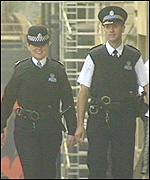
Mad met the police and the prosecution services and pressed for more to be done to tackle the problem. "For the first time in 10 or 15 years, doors were being smashed in by the police and drug dealers were being taken away," Gaille said. However, within a couple of days of arrest the dealers were back in the community, committing more offences. The group targeted the then Lord Advocate in an attempt to convince Scotland's top law officer that the prosecution service was failing to protect communities from the menace of drugs. In frustration, the women formed a human chain around the Crown Office in Edinburgh to demand tougher sentencing for dealers. Although the Lord Advocate, Lord Hardie, refused to meet them that day, they did secure a meeting a week later.
Mad suggested that Lord Hardie come to live in Cranhill for a week to see the problem for himself. Gaille said that many in the prosecution service were "detached" from the problem. "That's why there was no willingness to change anything." In the more than three years since, Mothers Against Drugs has maintained its high-profile campaign. The women have hounded the dealers out of the area with tip-off calls to the police. New Horizons And they have also been instrumental in the push for fast-track drugs courts, which were piloted in Glasgow, but have now been rolled out across the country. Treatment of drug attacks has also been a focus of Mad's attempt to clean-up the community. It has established the New Horizons project, which aims to reduce the market for drugs by cutting the number of users.
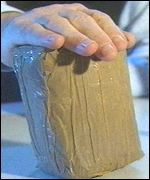
Gaille said that the project was one of the major successes of Mad's campaign. "When you see someone come out of the project clean and get employment, and their life is turned around, that is so rewarding," she said. Drug dealers are still operating in Cranhill. However, deals are no longer seen on the street. The dealers know they are under threat and their activities are not as easy as they once were. Sense of community "Drug dealers spring up all the time and we have to make sure that they get busted quickly," said Gaille. "It used to be easier to get a bag of heroin than a fresh pint of milk in Cranhill. Kids thought that was a normal way of life. We have managed to change that." Crime and the fear of crime are down in Cranhill and most importantly, according to Gaille McCann, the sense of community has returned. She says people are applying to live in the area for the first time in years. "People want to live in a utopia where there are no drugs and no fear. It does not exist," she says. "Why not stay and fight and make this place a utopia?" How you can take part in the BBC's Crime Day We want to hear other stories of how crime has been cracked - have you and your friends started a group or campaign to improve the quality of life on your estate or neighbourhood and succeeded in bringing down crime? Call us on 08700 100 900 to tell us your story. Or write to Crime Crackers, BBC Scotland, Broadcasting House, Queen Margaret Drive, Glasgow G12 8DG. Alternatively use this form to e-mail your response. Disclaimer: The BBC will put up as many of your comments as possible but we cannot guarantee that all e-mails will be published. The BBC reserves the right to edit comments that are published. | |
See also:  15 Aug 02 | Scotland 29 Jul 02 | Scotland 28 Jul 02 | Scotland 25 Jul 02 | Scotland 27 Jun 02 | Scotland 14 May 02 | Scotland 03 May 02 | Scotland Internet links: The BBC is not responsible for the content of external internet sites Top Scotland stories now: Links to more Scotland stories are at the foot of the page. | ||||||||||||||||||||||||||||||||||||||||||||||||||||||||||||||||||||||||||||||||||||||||||||||||||||||||||||||||||||||||||||||||||||||||||||||||||||||||||||||||||||||||||||||||||||||||||||||||||||||||||||||||||||||||
| |
|  E-mail this story to a friend E-mail this story to a friend |
| |
| Links to more Scotland stories |
| | | ||
 | ||||
 | | Back to top
| ||
| ---------------------------------------------------------------------------------- To BBC Sport>> | To BBC Weather>> | To BBC World Service>> ---------------------------------------------------------------------------------- © MMIII | News Sources | Privacy |