 | | | | | | 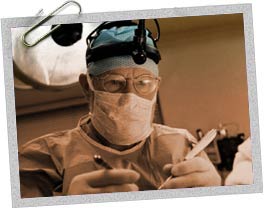 | | | Some doctors fear that patients lives are put at risk by the "commercialisation" of the body | |
| | |  | | | "They obviously couldn't go to Iraq so they started looking to see whether there were any other directions they could go. Through the internet, through various brokers, they found several countries that would suffice their needs and transplant them with a kidney from a living donor."
They travel all over the world, including Europe and the United States, to buy their kidney transplants.
The route to Iraq is a well trodden one. It works "more or less by word of mouth," said Dr Friedlaender. "The contact is usually a telephone number in Amman, in our neighbouring country Jordan. The patient goes to Amman and then Baghdad."
"Within a few days they are discharged and back in our clinic, or in our emergency room, because a few of the patients need urgent admission. But they have the kidney inside and with the back up of a modern University hospital they do very well."
Dr Friedlaender does have concerns and would like to see the trade organised, within the law, rather than the current blanket ban on payment.
"I have lots of worries about the whole idea of commercialisation of the body. I'm not an expert in ethics, in morals or philosophy. I'm looking after the futures of my own patients. But the situation at the moment is a free market.
"What I'm advocating is not to license a free market but to put the whole business within the law - those outside should be prosecuted rigorously."
This, he believes, would improve the standard of surgery for the patient needing the transplant.
"And we would also safeguard the interest of the donors who are at present are reliant on the goodwill of a broker who probably has no particular interest in the donor's welfare. He only wants to make money out of it." | | < previous |  | |
|




 ^^ Back to top


