 | | | | | | | ||||||||||||||
| | |||||||||||||||||||
The spectre of the 'disappeared' | ||||||||||||||||||||
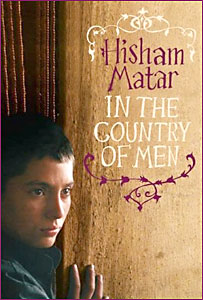
Booker nominee, Hisham Matar lives with the legacy of loss. His father, a diplomat, fell foul of the Gaddafi regime and was 'disappeared' from his home in Cairo by Libyan henchmen in 1990. The lives of family left behind remain blighted with an aching uncertainty over the absence and ultimate fate of this central figure from their lives. No word of his father has reached the Matar family for eleven years now. Talking to Bola Mosuro, Matar admits that "It is definitely one of the reasons why I write, writing rescues me from the sense of unconcluded grief". Although the author insists that his semi-autobiographical novel In the Country of Men is not about the disappearance of his father, he clearly draws on his family's experience to create one of the most critically acclaimed books of the year. Writing from experience Suleiman, the book's central character and narrator shares the same age as his creator and the parallels between his young life and that of Matar imbue the novel with the poignancy of experience. Growing up in post-revolution Libya with the oppressive political backdrop, not fully grasped by the child; a father blacklisted by the regime, and a family fleeing to exile in Egypt are experiences common to both Hisham and Suleiman. Bola Mosuro met Hisham Matar, a softly spoken man in his mid-thirties, to talk about the book that has won him a nomination for the prestigious Man Booker prize. She told him that she found the book to be less the political commentary that it's been described, and more the story of a young boy growing up in seventies Libya and the cultural norms of the time. | LOCAL LINKS  Using the "F" word Using the "F" word20 September, 2006 | News Word wizard19 August, 2006 | News Literary glory20 July, 2006 | News Halala Madiba17 July, 2006 | News The Seretse Khama story 08 July, 2006 | News EXTERNAL LINKS The BBC is not responsible for the content of external internet sites | |||||||||||||||||||
| ||||||||||||||||||||
| ||||||||||||||||||||






 Click to listen to the interview (with author readings)