 | | | | | | | ||||||||||||||||
| | |||||||||||||||||||||
The Seretse Khama story | ||||||||||||||||||||||
The term 'colour bar' is synonymous with the 1950s and 1960s in England when blacks were prevented from participating in various activities with whites, all because of the colour of their skin. It is also the title of a new book by Susan Williams based on the life of Sir Seretse Khama the man who led Botswana to independence in 1966. In 1948, he met Ruth, the woman of his dreams in London and planned to marry her, the only catch was that she was white. Seretse was the heir apparent of the Bangwato, largest tribe in the country and he was told it was against his people's custom to marry a white wife. The British were also outraged by the union. The book is not just about their mixed relationship, it's also about the formation of the independent nation of Botswana. Bola Mosuro spoke to the author Susan Williams, and first asked why she specifically chose that title: You also heard Pula Kgosi Seretse by Miriam Makeba |
| |||||||||||||||||||||
| ||||||||||||||||||||||
| ||||||||||||||||||||||






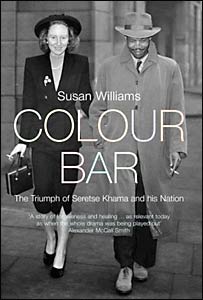
 Click here to listen
 Penguin books