 | | | | | | | ||||||||||||||||
| | |||||||||||||||||||||
World Aids day 2006 | ||||||||||||||||||||||
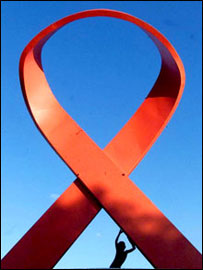
Twenty five years after the first HIV and Aids cases were diagnosed, the disease has become a world pandemic, with Africa the continent worse hit. The disease has become a leading cause of death in many countries - creating a new generation of children known as 'Aids orphans'. Unicef Goodwill Ambassador, Angélique Kidjo has been visiting the displaced people camps in northern Uganda. Uganda has a good record in fighting the disease, but how has the rest of the continent been doing? To find out the situation in the rest of Africa Peter Okwoche asked Dr Baraus Bukenya, the director of the HIV and Aids programme with the African Medical Research Foundation, AMREF, in Nairobi, Kenya. Our reporters across the continent have been out and about gathering different perspectives on how HIV and Aids has touched African lives. The track there, 'Todii' deals with HIV and Aids. The impact of HIV does not always have to be life-shattering, and the availability of anti-retroviral therapy CAN make a world of difference. And so too, can campaigns from public figures like Nelson Mandela and Angélique Kidjo; and leading African sports figures are also doing their bit to fight HIV. Taking stock this World Aids Day, of the HIV and Aids situation on the continent there is still planty of room for optimism. |
LOCAL LINKS  Ambassador Angélique Ambassador Angélique 02 May, 2006 | News EXTERNAL LINKS The BBC is not responsible for the content of external internet sites | |||||||||||||||||||||
| ||||||||||||||||||||||
| ||||||||||||||||||||||






 She was impressed by the work being done there to combat the disease.
