| | | | | | | |||||||||||||||||||||||||||||||||||||||||||||||||||||||||||||||||||||||||||||||
| | ||||||||||||||||||||||||||||||||||||||||||||||||||||||||||||||||||||||||||||||||||||
Opinion: Slithering Snakes | |||||||||||||||||||||||||||||||||||||||||||||||||||||||||||||||||||||||||||||||||||||
Ahead of Kenya's December elections, commentator and analyst, Salim Lone argues that the country's image of prosperity and stability is masking simmering disaffection and poverty.
Earlier this year, thousands of people on the shores of Lake Victoria were glued to the unfolding drama of rescuers being stymied by the same treacherous hyacinth plant that had marooned a boat carrying 13 people a mile offshore. The group seemed headed for disaster from the murderous equatorial sun and lurking danger from slithering water snakes. Then one of the boat women got clever and told the police over her mobile phone a lie: that a child had just been born, while another was dying of hunger. The authorities sprang into action and sent a helicopter which lifted the occupants to safety. Like the boat, Kenya is adrift, and continuing to avoid disaster only by the skin of its teeth. Simmering crises The most immediate challenges include searing poverty and growing landlessness that co-exist with fabulous wealth, as well as explosive ethnic divisions still lurking under the surface from the constitutional referendum two years ago.
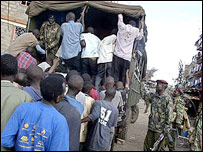
These simmering crises, whose most visible consequence is an epidemic of criminal mayhem in towns and villages as well ethnic-cleansing attempts by land-starved communities seeking to drive "outsiders" out, could combine to unravel the thin veneer of stability on this "island" in Africa's most tumultuous region, where every one of our nearest nine neighbours – with the exception of Tanzania – has experienced brutal civil wars. But little is being done to address the tensions because the rough and tumble of what is arguably Africa's freest democracy – its six per cent gross economic growth last year, much higher agricultural prices for farmers and the government's strong pro-Western stance – have boosted confidence among society's well-to-do and donors in President Mwai Kibaki's leadership. This camouflages the country's multiple problems. Broken promises
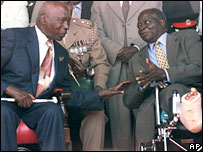
The promise to end corrupt and dictatorial rule, which propelled Kibaki to power, is now forgotten. Indeed, after his devastating 2005 constitutional referendum defeat, the president formed an alliance with the wily architect of that ruinous rule, his predecessor Daniel arap Moi who is now the president's most powerful political ally and campaigner, essential to his victory in December. So chaotic and politically anarchic has this otherwise rule-bound, Westminster-type parliamentary democracy become that the president no longer even belongs to the party which brought him to power. Numerous other members of parliament have also abandoned their respective parties which under our constitution should trigger their immediate resignation from parliament. No less extraordinary is the official opposition leader Uhuru Kenyatta's indication that he would support President Kibaki's re-election, and has, like a number of other opposition parliamentarians, declared that he is determined to be part of the next government – whichever party it is that wins. No checks Members of parliament, who effectively should be the ones to check this illegality, have been pre-occupied with feathering their own nests in seeking excessive salary raises. With most government ministers and officials as well as the financial elite also amassing political and financial power, credible voices – the political opposition aside – which could raise the alarm over the festering crises have been stilled.
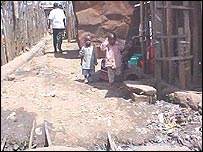
Kenya's vibrant civil society also has seen much of its leadership co-opted with plum appointments, although some leading figures such as the anti-corruption czar John Githong'o, now in exile in the UK, and Maina Kiai, the government-appointed human rights defender, have continued to raise the alarm. But one of Kenyans' last refuges in seeking saviours from implosion has always been powerful donors. However, despite the administration's unalloyed free-market policies, Kibaki faced US and UK pressure for clean governance during his early, scandal-filled years. But pressure turned to strong support in 2006 once the government became an active participant in plans for the US-supported invasion of neighbouring Somalia by Ethiopia. In the meantime, with the cost of basic staples having risen exponentially, the extent and intensity of poverty continues to rise to sickening levels. Breaching limits A story from the UN Population Fund's annual report in July showcased Sabina who sells water to those who can afford it in Africa's largest slum Kibera. The water comes from pipes which frequently suck in excrement as they run through open sewage ditches. This water is used for cooking.
So dissatisfaction and disaffection mount. But little attention is paid to this as there is a conviction among our rulers that a booming economy will fix everything, and that the poor in any event have an unlimited capacity for accepting impoverishment. But signs that the limits are being breached are not hard to find. The rage and violence bedevilling our society, for example, screamed from international headlines earlier this year when Mungiki began its campaign of lawlessness. Despite his inaction on these troubling fronts and reformer Raila Odinga's strong challenge, Kibaki could well be re-elected. He enjoys enormous powers of incumbency, is personally likeable, and has wide support from the influential business community as well as the intense following of his own Kikuyu ethnic group, the country's largest and richest. But this support, which has allegedly provided him with tens of millions of dollars in campaign funds, is a two-edged sword which could prove his Achilles heel. Salim Lone previously worked for the United Nations and is now an analyst and columnist for Kenya's Daily Nation newspaper This is a free online version of the article that appears in the October - December 2007 edition of BBC Focus on Africa magazine. |
LOCAL LINKS  Opinion: Understandable Fury Opinion: Understandable Fury04 June, 2007 | News Forum: Is Mugabe unfairly demonised?04 June, 2007 | News Opinion: Democratic Islam16 March, 2007 | News Forum: Is Islam compatible with democracy?16 March, 2007 | News Opinion: African unity still a dream11 January, 2007 | Archive Forum: Is African unity a dream worth pursuing?22 January, 2007 | Archive | ||||||||||||||||||||||||||||||||||||||||||||||||||||||||||||||||||||||||||||||||||||
| |||||||||||||||||||||||||||||||||||||||||||||||||||||||||||||||||||||||||||||||||||||
| |||||||||||||||||||||||||||||||||||||||||||||||||||||||||||||||||||||||||||||||||||||






 ...enjoys enormous powers of incumbency and has wide support from the influential business community as well as the intense following of his own Kikuyu ethnic group, the country's largest and richest