The days, weeks and months after having a baby can be an emotional rollercoaster, and you might feel worried, exhausted and tearful.
But for some new parents, it can be more than that. Postnatal depression is really common - it affects more than one in 10 women within a year of giving birth and up to 10% of new fathers, too.
For Mental Health Awareness Week (10-16th May), we caught up with one of our Tiny Happy People Families about how they both got through postnatal depression after the birth of their first daughter.
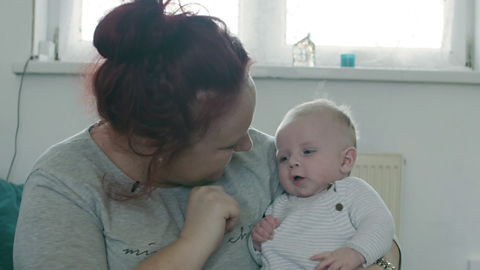
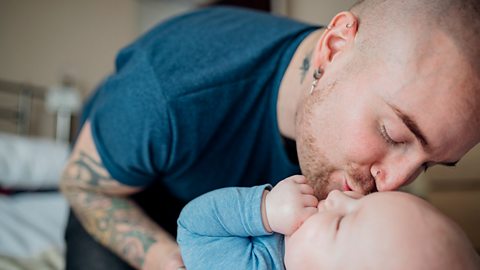
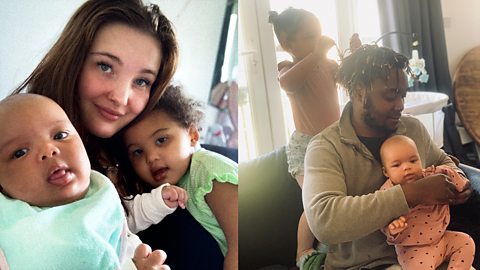
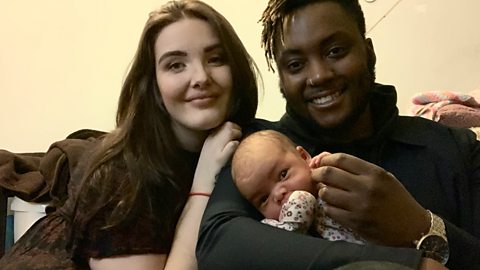
Mhairi and Ndaba are parents to River, aged two and three-month-old Delilah.
Mhairi’s story - “I was trying to be strong for everybody else, but I was starting to slip”
When River was born, I got used to being a mum pretty quickly and everything was brilliant. But that changed when River developed sepsis at four months and had to stay in hospital. I was trying to be strong for everybody else, but I felt myself starting to slip.
Once River was home, I began to feel physically ill. I thought I had a bug, but it carried on for months.
I could barely get out of bed, and I didn't want to see Ndaba, River or my family. As time went on, I started to believe that everyone would be better off without me.
One day I managed to drag myself to my sister-in-law's baby shower. Everybody there was so happy, but I couldn’t find happiness in anything, not even River.
The following day, my mum was so worried that she took me to see my doctor. I was diagnosed with postnatal depression, and I was prescribed the antidepressant, sertraline. It was a real turning point. I’d found it so hard to admit I needed help because I thought I was being silly.
It took me hitting rock bottom to realise it was something serious.
As soon as I was able to explain what was wrong and I got a diagnosis, I started to feel better.
When I was pregnant with Delilah, I had a specialist mental health midwife who was great at calling me regularly to check in on how I was doing. I stopped taking antidepressants during pregnancy and I went back on them, on a low dosage, after giving birth. I still take them.
Now I’ve learned to spot the signs when I’m feeling down or anxious, and I talk to my parents or Ndaba about how I’m feeling - it makes me realise I’m not on my own.
For any parent worried they might be suffering from postnatal depression, I’d say, please get support. There’s no need to feel ashamed. If you had a broken leg, you’d get professional help. It should be no different with your mental health.
Ndaba’s story - “When I finally saw my GP it was a massive relief”
When I was handed River in the hospital after she was born, I thought: What am I meant to do? I felt scared. I began to change.
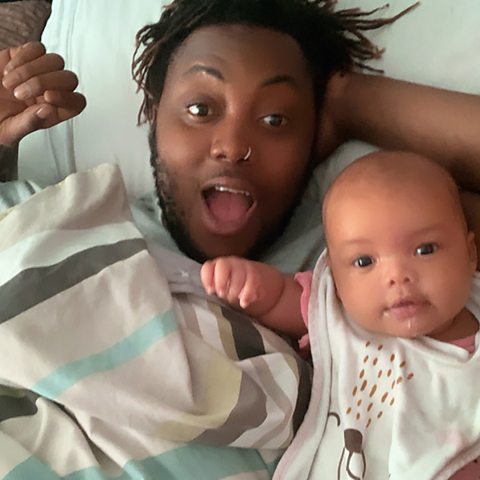
I've always been highly motivated, loved playing sports, I'm loud and talkative, but I became quiet and withdrawn, and I felt overwhelmed.
There was one occasion when I was watching TV, I had River on my shoulder, and the next thing I knew, I was bawling.
Mhairi came into the room and asked what was wrong, but I couldn’t explain it.
Over time, my appetite disappeared, and I became very irritable. The sound of River crying was like nails on a chalkboard. It was quite painful to hear, and I used to get headaches from it.
I knew that something wasn’t right.
It got to a point where Mhairi said: “You need to go and see someone. You might be going through the same thing I'm going through.”
I have suffered from depression before, but I just kept thinking, I can ride it out, I'll be fine.
When I finally saw my GP, it was a massive relief. She was very understanding and explained that I was going through postnatal depression.
My treatment has been a combination of talking therapy and sertraline, and I’ve found that meditation and exercise also really help.
Neither Mhairi nor I realised that dads could get postnatal depression, but we’re proof that it can happen to both parents.
Spot the signs
“Many mothers experience the ‘baby blues’ in the first two weeks after the baby is born. This is when there's a change in hormones and chemicals in the body.
"You might feel irritable and quite down, but this usually passes,” says mental health expert Raoul Lindsay. “The NHS talks a lot about recognising when the symptoms are prolonged, so lasting more than two weeks."
Indicators that you might be suffering from postnatal depression include not enjoying things that you’d usually enjoy, persistently feeling low or sad, changes in your appetite and sleep problems.
Could you be at risk?
Some of the factors which may be associated with postnatal depression are:
- Pre-existing mental health issues.
- Feeling isolated from family.
- Expectations about what parenting looks like and feeling overwhelmed by this.
- Breastfeeding difficulties.
- Feeling unable to calm your child or get them to sleep.
- Issues with bonding.
- Unexpected, stressful circumstances, such as what happened with River.
"This doesn’t mean that someone who’s had an ‘untroubled’ life won’t get postnatal depression - anyone can get it," Raoul explains. "If you have had difficulties, however, it helps to be more aware of potential problems."
Self-help
“Mhairi and Ndbaba have talked about the things that have helped them and, as a therapist, those are many of the things I would typically suggest,” says Raoul.
“Exercise is a great mood booster, and it doesn’t have to be going for a run. You might get outside in nature for a walk. A balanced diet can also play a massive part in how you’re feeling.”
Try to talk to people you trust - your partner, friends or family - about your mood and feelings so that they can support you in getting professional help.
Further information
- For more information about mental health and wellbeing, check out the dedicated area on the NHS website.
- The Institute of Health Visiting have shared their top tips for parents on a range of topics here.
- PANDAS Foundation offer PND awareness and support.
- BBC Action Line has details of organisations that can help support you.