Suffering from a lack of sleep? If you’re dealing with night waking and bedtime battles with your little one, you’re not alone.
But what do the experts say about kids and sleep?
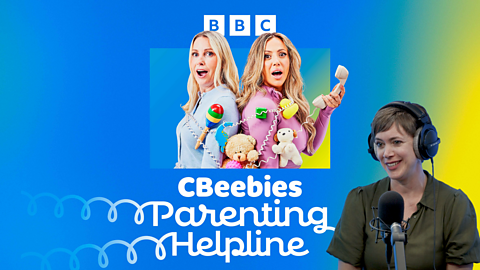
In Episode Three of the CBeebies Parenting Helpline podcast, hosts Holly Hagan-Blyth and Charlie Hedges are joined by Dr Lyndsey Hookway, co-founder and director of the Holistic Sleep Coaching programme, as well as a lactation consultant, to find out all about bedtimes, sleep routines and even screentime.
The 'bad news'? Night waking is normal
Although it may not feel reassuring, Dr Lyndsey says it’s worth remembering that night wakes are common.
“This is actually really normal,” she says.
“[When] we’re looking at children from 0-18 months, the average number of times for children to wake is 1-3 times [per night].”
She adds that night feeds and wakes will hopefully reduce over time.
So what are some tips and tricks you can try during the day and at bedtime to help improve sleep for your family?
1. Move and play throughout the day
Exercise is a great way to help kids let off some steam.
Making sure your child has plenty of physical activity throughout the day will help make sure they’re ready for bed.
Babies and small children need to move their bodies, with NHS guidelines saying toddlers (one to two-year-olds) need at least three hours of activity daily.

As well as running, climbing, ball games and learning to ride a bike, another way of burning off energy is to have some 'silly time' playing around before bed.
Not only will your little one have a great time, they also learn about limits, boundaries and social skills.
Lyndsey adds that “it’s often part of their love language as well.”
“They’re going to laugh, they’re going to giggle, they’re going to feel like their love tank is completely filled up by that silly time, by that connection with us.”
2. Choose a bedtime routine that works for your family
Pick a bedtime routine that works for your circumstances and your child.
And once you’ve decided on one, try to keep consistent.
But, don’t stress too much, as it’s worth remembering that there’s no such thing as a one-size-fits-all bedtime routine.
An example Dr Lyndsey uses is a bath before bed - it might be calming for some children, it might make others excitable.
Whatever you pick, make sure it’s calming and relaxing for your little one.
And the verdict on white noise? Dr Lyndsey says it’s “pretty normal for kids to need a bit of background noise.” So if it helps, give it a try!

3. Where your child sleeps is a personal decision
The NHS says that, “the safest place for your baby to sleep for the first six months is in a cot, lying on their back, in the same room as you.”
Some parents may put their babies in a different room after six months, while others may opt for co-sleeping.
But it’s worth remembering that having your child sleep in a cot in a separate room doesn’t mean you can’t connect with them in other ways.
Some simple, everyday examples are wearing them in a baby carrier, having a bath with them, and spending time playing with them at the end of the day.
“If you want to have a close and loving relationship with your child, you can absolutely do that with them being in their own cot” - Dr Lyndsey
4. Can screen time affect sleep?
While this can be a contentious topic, Dr Lyndsey believes, “you need probably quite a bit of screen time in order to inhibit melatonin.”
Melatonin is a hormone that helps to control how and when you sleep.
Instead, she says that a bit of screen time might be okay as long as your kids are active and doing other activities throughout the day.
“It’s all about balance and looking at the context of the whole day.”
Other sources recommend that children under five are limited to one hour of screen time per day.

5. Show your child that adults need to relax too!
Helping our children relax can also be about modelling restful and calming behaviours ourselves.
So, if you need a break (and have the ability to), you should tell your kids about it.
Dr Lyndsey suggests you say something along the lines of: “I’m just going to read a book because I need to relax and rest my brain for a little bit.”
Or: “I’m going to shut my eyes for five minutes because Mummy/Daddy’s eyes are tired.”
Other ways to wind down could be listening to podcasts, music, or using a meditation app.
If you have any questions about sleep or bedtime routines, you can contact your GP.
Dr Lyndsey talks to Holly and Charlie about phantom crying on the CBeebies Parenting Helpline podcast