From what our kids eat (or don’t eat!) to how much screen time they have, there’s always something we feel guilty about.
And while this parent guilt is very common, it can often make you feel anxious and unhappy.

What is parent guilt and how common is it?
Mental health specialist and dad-of-one Raoul Lindsay says, “Guilt is a human trait we all experience. As part of human nature we look at everything we’ve done, especially the things we could have done better.
“It would be hard to find any parent who hasn’t experienced guilt because we’re always thinking about the impact of everything we do on our children. We play down some of the positive things we’ve done and focus on things that haven’t gone so well. And that’s what we start to feel guilty about.”
There are lots of times these guilty feelings can strike. It might even begin the moment you bring your baby home from the hospital and worry about whether you’ll be a good enough parent. (Spoiler alert: you absolutely will be).
Our experience of parent guilt
Hannah and Adam are part of our Tiny Happy People Families project.
Speaking on the Laura Whitmore show on BBC Radio 5 Live, they said the parent guilt they experienced worsened during the pandemic.
“It would range from the silly things like if they (the kids) haven’t had a vegetable with their dinner, to me not being able to play outside with Joseph after I had a C-section when I gave birth to Scarlotte," Hannah said.
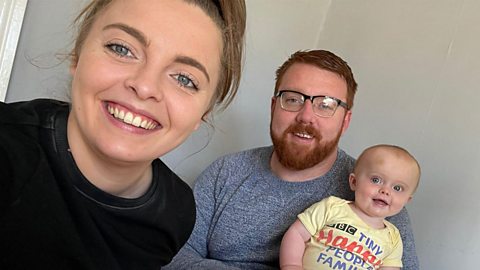
“I put a lot of pressure on myself especially in terms of not being able to spend enough time with both of them equally” - Hannah
Adam also opened up to Laura about his experience of parental guilt as a Dad.
“Before we had children I was quite selfish and I didn’t realise this,” Adam admitted.
“I found it quite difficult initially when Joe turned up because all my friends were going out and saying ‘Adam let’s go for a beer, or let’s go swimming or to the gym’ and I couldn’t get out and about.”
Adam told Laura that he has decided to quit playing rugby at his local club on Saturdays because he feels guilty leaving Hannah with the children, especially because his job as a teacher, takes up a lot of his time Monday to Friday.
Parent guilt may not be an easy feeling, but it certainly resonates with lots of people – even Laura Whitmore said that sometimes she feels guilty talking about her little one too much to her friends that don’t have children.
How to deal with mum and dad guilt
Here, Raoul shares his top tips for coping with any feelings of mum and dad guilt, and the importance of accepting that YOU are the best parent for your child.
1. Look at the bigger picture
Parenting has its ups and downs, and some days it can feel like nothing has gone right. Yet rather than feel guilty about a stressful tea time or too much TV, Raoul says, “Try not to be too fixed in a particular moment in time.”
“If you feel as though your children are having too much screen time or not eating as healthily as you’d like them to right now, it doesn’t necessarily mean there will be any long term effects. Focus on the here and now and acknowledge that today is today. Things won’t stay the same. This is the moment and tomorrow’s moment will be completely different.”
If your kids are not eating their vegetables today that’s okay, it doesn’t mean tomorrow won’t be better.
2. Let go of the idea of a ‘perfect parent’
You want your child to be happy. But feeling under pressure to do everything ‘just right’ can actually make you feel guilty. Especially when ‘normal’ things happen, like you run out of time to go to the park or you’re too exhausted to read a bedtime story.
“Wanting to do the best we can for our children is never a bad thing”, says Raoul. “It’s just when it’s too much, it can be debilitating.”
Accepting that there’s no such thing as a perfect parent can help you manage those feelings of guilt.
There’s no absolutely right way to parent. It’s all about finding out what works best for you and your family.
Raoul says, “Try not to be too bogged down with what’s right and what’s wrong. Just do what feels natural.”
3. Avoid ‘information overload’
We all want a helping hand when it comes to raising our kids. But taking on too much advice can make us doubt ourselves and feel guilty that we’re doing something wrong.
“It can take us away from the belief that we have all the qualities and instincts we need to be great parents”, explains Raoul. “Instead, try and balance the information from the outside world with the fact that inside us are all the qualities we need to raise our kids.”
4. Chat to other parents
You know those feelings of mummy or daddy guilt you’re having? Talking to other parents is a great way to realise they have them too… and you’re all doing the best you can.
“It’s nice to have a listening friend, partner or online support group who allow you to share your experiences in a non-judgemental way. This lets us hear from other parents that what we’re experiencing from a parenting perspective is absolutely normal and that it’s okay.”
Raoul also suggests looking through the articles on Tiny Happy People and adds, “It’s got advice and tips and shares lived experiences with other parents. I look at the Dad Life section - it’s nice to hear that lots of people are experiencing similar things.”
5. Take time for you
Feeling guilty that you’ve taken some much needed ‘me-time’?
Raoul says, “Sometimes parent guilt is woven into the idea that we can’t do certain things that we used to do. For example, parents can’t go on date nights or go for a run. It’s the idea that we have to sacrifice all the things that make us happy as individuals. But I’m keen for parents to remember that we have to do those things as well - we are individuals and parents.”
The happier we are, the happier our kids will be.
6. Try not to compare yourself to other parents
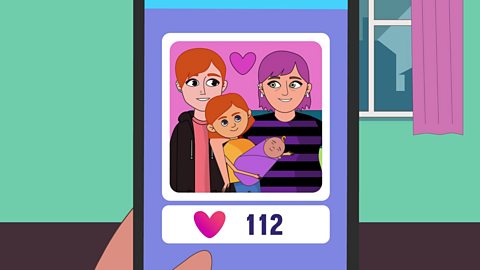
We’ve all done it: looked at someone’s Instagram grid and compared our lives to theirs. (And usually not in a good way).
Raoul says, “There are different things that cause parental guilt. Social media is amazing and has a lot of really good advice and tips. But we can sometimes put ourselves up against other parents and that’s impossible to match.
“And that means even if someone is posting about the best day ever with their kids, it's unlikely to be a reflection of their everyday experiences"
Parenting has its ups and downs, for everyone. Raoul adds, “The key thing is to remember that all children are different and we’re all meant to be with the children we have. You are the best parent for your child. Who else could be better?”
7. Focus on the little wins
We all have challenging days with the kids every now and then.
But rather than feeling guilty about what went wrong, Raoul suggests focusing on what went right.
“Think about the day in its entirety. There are probably some good bits of the day and those little bits are brilliant reminders that we’re doing a really great job as parents. The positives are there. Little wins are sometimes as good as the big wins.”

8. Keep things in perspective
Another time parental guilt can kick in is when birthdays and Christmas roll around. Especially if your child has a huge list of gifts they want.
“Parent guilt can often be led by things like not providing our children with particular toys”, says Raoul. “You can feel inadequate that you’re not a good enough parent.”
What's more important is recognising that most parents provide their children with the core things that they need.
“Remember you are the vital ingredient to your child’s development.”
Further information and support
- For more information about mental health and wellbeing, check out the dedicated area on the NHS website.
- The Institute of Health Visiting have shared their top tips for parents on a range of topics.
- BBC Action Line has details of organisations that can help support you.