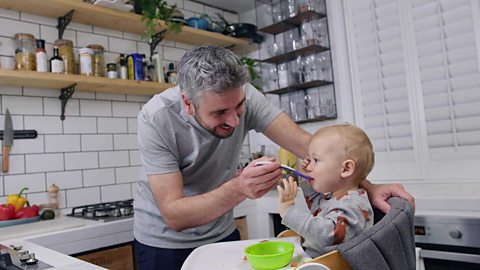
The winter months are the perfect time to have fun in the kitchen with babies, toddlers and kids.
Leftovers, picky bits, snacks: there are loads of opportunities to get experimental and build a positive relationship with food and mealtimes– something that is thought to help tackle fussy eating.
So, what can you do to bring a bit of creativity to your kitchen? Here are some ideas to get them started, with some advice from specialist children's dietitian Angharad Banner.
Mix it up
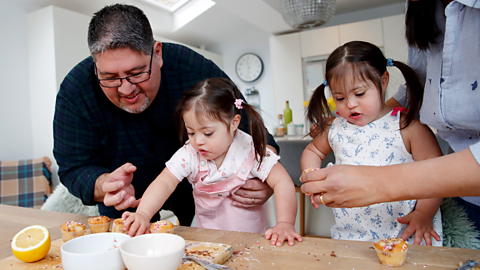
Allowing your child to make choices around food is a great way to help build your child’s confidence and understanding of flavours.
If you have free time over the holidays, and some spare food, this might be a great time to take this idea to the extreme. What food combo has your child always wanted to try?
Cheese and strawberry jam?
Tomatoes and chocolate spread?
Biscuits and crunchy peppers?
When we’re young, we don’t have as many unconscious rules around which foods are supposed to go with other foods. Particularly sweet and savoury combinations.
Sometimes our favourite odd match-ups stick with us to adulthood – like pineapple on pizza!
Mash it up
What else can your child do to change up their favourite snacks? Change the texture!
Texture is such an important part of a young child’s relationship with food. As a toddler, they might mash bananas in their hands, or squash grapes. It’s all about exploration.
You can continue this line of curiosity by helping your child mash, blend or squash foods to create new snacks and dishes.
We’ve all mashed potato, but what about parsnips, carrots or apple? Squashed tomatoes on toast? Or their favourite biscuit blended with ice cream for a pudding?
Talking about the food’s texture and taste is also a great way to boost their language skills. Remember to use words for textures like 'smooth' or 'bumpy', 'hard' or 'crunchy'.
Of course, some children don’t like getting messy. So maybe the next one is for you…
Freeze it
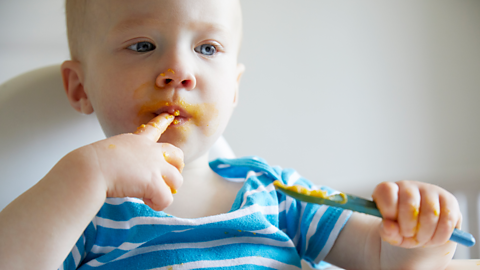
Another way to change the texture of a food is by sticking it in the freezer for a couple of hours!
You might be surprised about what your child chooses and how it changes after being frozen.
Depending what you have in the house, here are some starting points from us…
Jaffa cakes
Dried fruit like raisins or dates
Frozen banana sticks
Or how about making lollies, using blended or mashed fruit or even vegetables and water? Carrot lollies, anyone?
Build a food rainbow
Dietitians often tell us to help our kids ‘eat a rainbow of food’ throughout the day – particularly fruit and vegetables.
So, to reinforce this message, can you make it a game?
Perhaps this Boxing Day, you could tick off each colour – red, orange, yellow, green, blue and purple (indigo and violet if you’re clever) – with your child, by choosing a snack of that colour.
A day might include; tomato, orange cheese, melon, peas, blueberries and grapes!
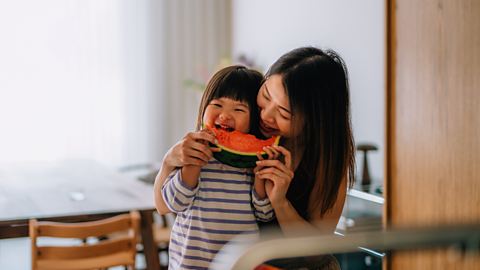
Why is it important to get your child excited about food?
These activities might feel a bit silly, but, specialist children's dietitian Angharad Banner explains, “playing with food in a relaxed way is actually really important. It helps children get used to different tastes, textures, smells and colours without any pressure to eat.
“This gentle exposure can make food feel safer and less stressful over time, which can help reduce selectiveness later on.
“Just as importantly, it builds confidence around food. Feeling comfortable touching, smelling and talking about food helps children develop independence with meals as they grow into teenagers and adults.
“By keeping mealtimes calm, enjoyable and low-pressure you’re sending a powerful message that food is safe and can be enjoyed. Small, playful moments like these really do add up – and with time, patience and consistency, they can make a big difference.”
And who knows? You might discover a new combination that changes the culinary landscape!