Let's teach!
We've created a collection of teaching resources to help you deliver the Terrific Scientific Taste investigation to your class.
This activity originally accompanied the Live Lesson: What happens when I eat? which took place in January 2017 but can be used as a stand alone activity.
You can watch again on the Live Lessons website to find out what happened.
How to do the Taste investigation
This two-minute film explains how to carry out the Taste investigation with your class, step by step.
Narrator:
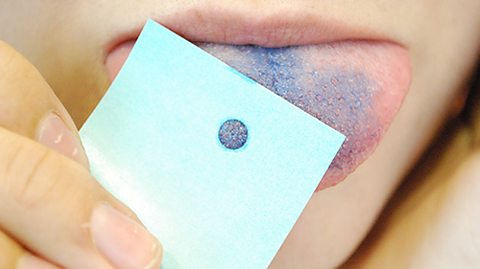
You will need natural blue food dye, cotton buds, hole punched card, paper towels, mini cups, drinking water, waste containers and optionally, a magnifying glass, mirror and torch. To make the hole punched card, cut an A4 sheet into 16 and use a hole punch to make a hole in the end of each piece. Ensure you make enough to give each pupil their own hole punchedcard. Staff and pupils should wash their hands. Every pupil will test if they're a super taster by having their fungiform papillae on their tongue counted. Split the pupils into groups of three and give each group a small sample of the dye. Pupil one will have their fungiform papillae counted first, they need to sit down comfortably with their elbows on the table, supporting their chin. The pupilneeds to stick out their tongue. Pupil two thoroughly coats a cotton bud with the dye and paints the front third of pupil one's tongue. For hygiene reasons, make sure the pupils do not re-dip cotton buds into the dye. If pupils prefer they can paint their own tongues using a mirror for guidance. Pupil three should carefully place the hole punched card onto the left or right side ofpupil one's tongue. The dye will slide off the fungiform papillae, making them look like large pink bumps. Pupils two and three count the number of fungiform papillae twice each and then take the average of the four counts. The pupils may find it easier if they use a torch or a magnifying glass to do the count. A drink of water will wash away the dye from the tongue. Repeatthe investigation with each pupil in the group. Refer to the chart provided in the activity sheet to see how to interpret these results.
Teacher resources
This is the updated version of our activity plan based on the results found in our exposure study.
Use it to run an investigation to find out if your class are non-tasters, tasters and super tasters.
Download the teacher resources
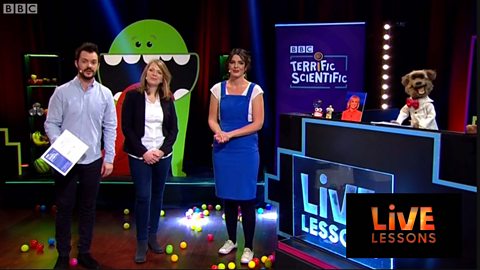
Watch the Live Lesson again!
Watch the Live Lesson again to find out what happened when we asked schools across the UK to run the taste investigation.
Click here to watch Live Lesson - Taste
Taste - Investigations additional resources
A collection of fun resources based around the topic of taste
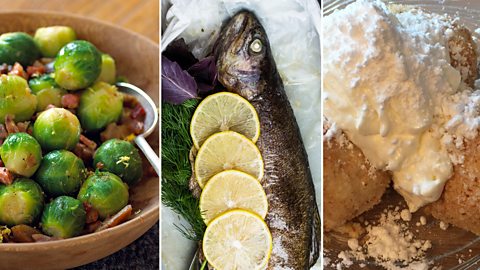
Why do we like some foods more than others? interactive
Have you ever wondered why there are foods that everyone seems to love, like chocolate, while others don't have many fans?
