The dances in this session begin with icebergs and move on to Emperor penguins.
2. Icebergs and Emperors
Iceberg-shapes are created with tall, stretching-up actions, then with smooth, wide-spreading ‘melting’ shapes. Slow, graceful floating and bobbing in the sea (in groups) leads to streamlined curving and twisting, for underwater swimming like seals. By contrast, ‘Emperor Penguins’ need straight backs and movements for swaying, leaning, scurrying, waddling and sliding, following each other in lines.
Resources
Download audio
Download the audio for this dance session as an mp3 file.

Teacher's Notes
Guidance on using the dance sessions in this unit with your group (pdf)

Movement focus:
Action: stretching tall; spreading arms and legs wide; ‘bobbing’ up and down; leading the body with the hands; curving and twisting of body; swaying, shuffling and waddling.
Dynamics: contrasting smooth with rough/jagged; responding to music changes; varying levels; releasing tension.
Space: floating gracefully through spaces; moving in all directions; twisting pathways; following each other in lines; tilting bodies, keeping close behind other dancers.
Relationships: using whole body; ‘steering’ a small group; single-file follow-the-leader (scurrying and sliding).

More units from KS1 Dance: Time to Move
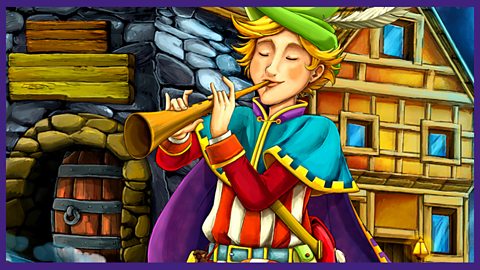
The Pied Piper of Hamelin. collection
A three-part unit based on the traditional story, popularised by the poem by Robert Browning.
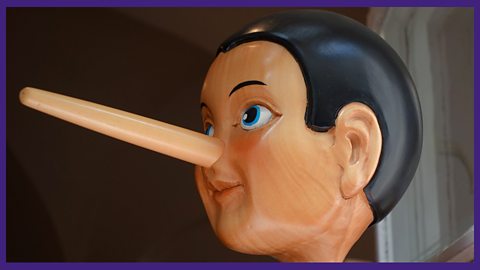
Pinocchio. collection
A three-part unit taking the famous story of Pinocchio as the inspiration for children's dances.
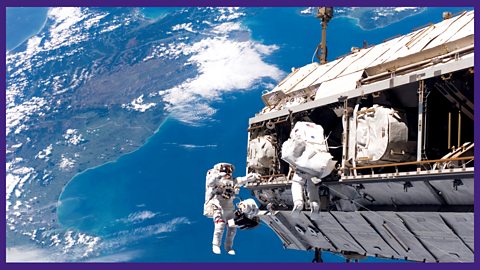
Journey through space. collection
Three dance sessions creating exciting dance sequences exploring space and space travel.