This series of short films tell stories of British Asian people who have helped shape British history in the last century.
Each film introduces a positive British Asian role model who tells their own personal story, a story from their family history, or a story about a historical figure who has inspired them. These might be stories from South, East or Southeast Asia.
Each role model is interviewed by a child of a similar age to the audience, who asks questions and reflects on what they discover.
These short films are suitable for teaching history at KS2 in England, Wales and Northern Ireland and at 2nd Level in Scotland. In the Key Stage 2 primary national curriculum in England, this series of history films fits neatly into a study of an aspect or theme in British history that extends pupils' chronological knowledge beyond 1066.
Each film comes with teacher notes that detail some other areas of the curriculum beyond history that can link with the topics covered. These notes link to Scottish, English, Welsh and Northern Irish curriculums. All films also have a strong link to the PSHE curriculum, whether it is looking at identity and culture, community and responsibilities, diversity and challenging prejudice, or career and aspirations. More information for teachers can be found on each page below.
History teacher Shalina Patel gives advice on how this series could be utilised in the classroom.
Shalina Patel:
I'm Shalina Patel and I've beena history teacher over 13 years. For the last three years, I've trainedschools up and down the country to help them embed diverse historieswithin the curriculum. And I've worked with many primary schoolson helping them to do this within Key Stage Two. The children in our schoolsare part of a hugely diverse society, and it's vital that they see diversityrepresented across the curriculum.
These films tell stories of BritishAsian people who have helped shapeBritish history in the last century. Peoples will connect with these role models and engage with the rich range ofexperiences they share. The films embed British Asian experiencesin children's historical knowledge, enabling them to make connectionswith what they know about World War Two, Post-war Britainand our British values.
The stories will also excite,inspire, and surprise them. Each film introducesa positive British Asian role model who tells their own personal story,a story from their family history, or a story about a historical figurewho has inspired them. These might be stories fromSouth, East or Southeast Asia. Each role model is interviewed by a childof a similar age to the audience,who ask questions and reflecton what they discover.
Iman:
What happened next?
Shrabani Basu:
Well, disaster strikes that circuit.
Shalina Patel:
These conversations will teach pupilsabout the important contributions British-Asian people havemade to British and world history. Not only will this enable you to embed diverse storiesin your history curriculum, but it will also provide starting pointsfor exploring issues, including what it islike to grow up in a country at war.
The many reasons people emigrateto the UK, the variety of opportunities and challengesthey face, and the contributions they make to British culture, societyand the economy. There are films which provide a rich basisfor history lessons, as well as a starting pointfor writing in English. And lessons deepening people's knowledge of democracy, tolerance,and developing their social, moral, spiritual and cultural education. The inter-generational conversationsshare a child's perspective. These are easy for peoples to engage with,but also encourage meaningful reflections about the stories they hear.
Rohit:
I feel very lucky that my family madethe journey from India to Scotland all those years ago, so I get to grow upbeing Scottish and Indian.
Shalina Patel:
Each film uses a visual modelwhich will anchor the stories, helping childrento remember and learn more, adding to that growingunderstanding of chronology. There are visual sources, photographs,film footage, even baked goods, which will make the films memorablefor pupils, as well as developing a more rounded understandingof how historians learn about the past. A sense of place is also very important in the films,and maps are used as well as images of buildings, streets and rural locationsto build geographical knowledge. Pupils will be prompted to reflecton what constitutes history, but they are part of it and that they can learnabout their own heritage by talking with people in their familiesand communities.
These films are a starting pointto further embed a diverse curriculum, representing the voicesand stories of people of Asian ancestry, so that pupils can be what they see,developing the sense of belonging, identity and allyshipthat every child should have.
This series of history filmsfits neatly into a study, of an aspect or theme in British history that extendspupils chronological knowledge beyond 1066, as outlined in the EnglishKey Stage Two National Curriculum. There are also links to Scottish,Welsh and Northern Irish curriculums. Each film comes with teacher notesthat detail some ways to explore other areas of the curriculumbeyond history, whether it is looking at identity and culture, communityand responsibilities, diversity and challenging prejudiceor career and aspirations, the films provide starting pointsto teach the PHSE curriculum. They also provideinspiring starting points for writing in the English curriculum.
Each set of teacher notes includes keyvocabulary, which can be defined and discussed with pupils and endswith a number of different question and activity suggestions. Some of the films explore difficultand dangerous decisions made by people for the sake of their communityor their families. Some touch upon upsetting eventssuch as war and prejudice. There will therefore be notesto guide teachers on how the content might be discussed ahead of viewingand the issues that are raised. These films offer a starting pointto explore how and why Britain has become even more diverseover the past century. Community, cultureand identity are recurring themes that allow important questionsto be raised, prompting children to explorewhere they fit in, in their own community.
Challenging discrimination and prejudice, pupils will watch children their agediscovering and celebrating similarities and differences,learning from a variety of role models. Pupils can then reflecton their own thoughts and feelings about each lifethat is explored and in turn, gain a greater understandingof the world in which they live.
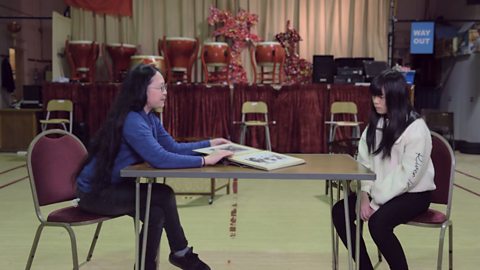
Zi Lan Liao - Chinese migration to Britain. video
Music teacher, Zi Lan, talks to 10 year-old Cherie about how she came to Liverpool as a child and why people emigrated to Britain from Asia.
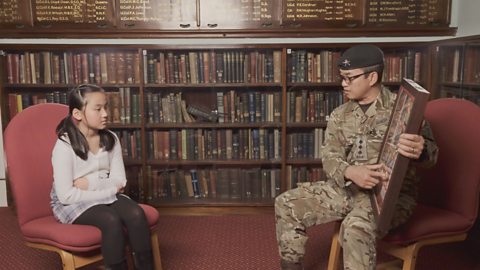
Ganesh Rai - The Gurkhas contribution to the British army. video
Eight-year-old Reva talks to Captain Ganesh Rai about the contribution of Gurkha soldiers to the British army over the past 200 years, especially during World war Two.
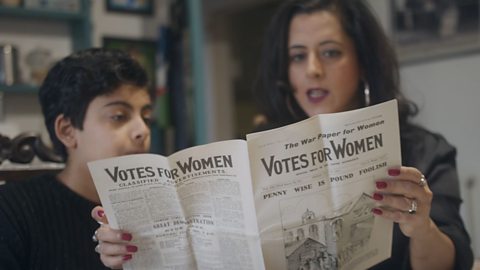
Sophia Duleep Singh - The Indian Princess who helped women gain the right to vote. video
11 year-old Hari talks to his mum about an Indian princess called Sophia Duleep Singh, who helped women in the UK gain the right to vote.
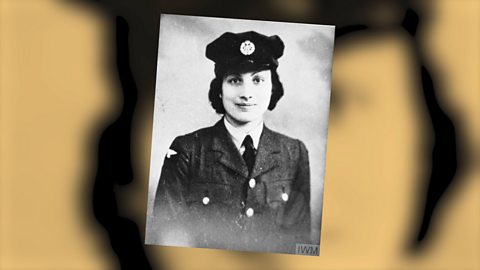
Noor Inayat Khan - Britain's first muslim war heroine. video
Author Shrabani Basu tells 14 year-old Iman about the life of Noor Inayat Khan, Britain's first muslim war heroine.
Anna Nguyen - Vietnamese migration after the Vietnam War. video
Artist Anna Nguyen talks to 11 year-old Vincent about the Vietnamese migration to Britain after the war between North and South Vietnam.
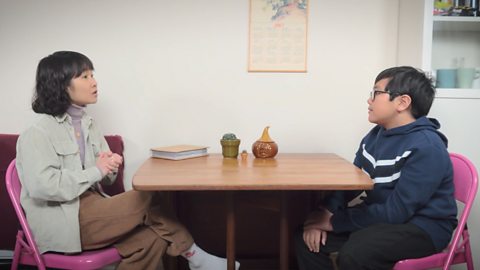
Marigin Opiala - Migrating from the Philippines to work for the NHS. video
In this short film for primary schools Marigin Opiala talks to 15-year-old Bea about why she moved to the UK, along with thousands of other Filipino nurses, to work for the NHS.
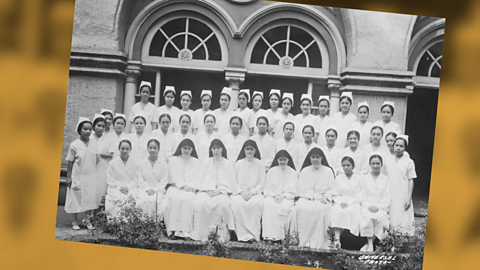
Moey Hassan - Pakistani migration to the UK. video
Actor and musician Moey Hassan talks to his nephew, 10 year-old Yusef, about the Pakistani migration to the UK.
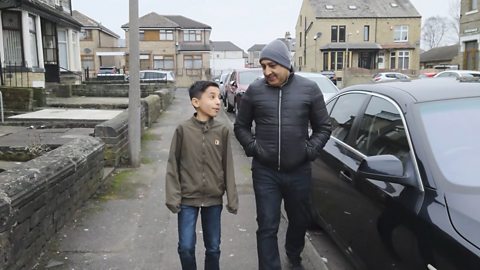
Rupal Rajani - The forced migration of Indian people from Uganda. video
Radio DJ Rupal Rajani talks to 10-year-old Ayush about how Indian people living in Uganda in the 1970's were forced to leave by the Ugandan President Idi Amin.
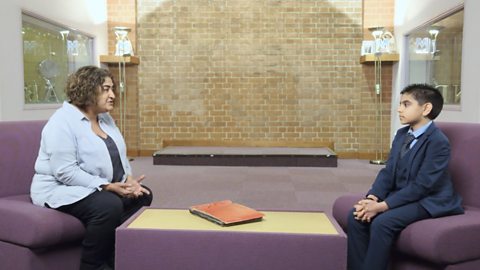
Hermann Rodrigues - South Asian migration to Scotland. video
Photographer Hermann Rodrigues talks to 15 year-old Rohit about the South Asian communities that migrated to Scotland.
Where next?
Explain This... collection
This animated series of short films offers an introduction to some key themes of the primary history curriculum.
Bitesize: Black History Month collection
Use these Bitesize resources to set homework, independent study tasks or to consolidate learning for your pupils.

Newsround
The latest news stories from Newsround to share in the classroom.