Dr. Amanda Foreman dramatically recounts the storming of Versailles that marked the beginning of the French Revolution and looks at what this great political change meant for women.
From various locations across Paris, Foreman explores the French Revolution’s impact on women.
Paintings and scenes from across Paris bring to life the work of radical feminist Olympe de Gouges, who fought for women’s rights in the new republican France.
The chief focus of the report is her ‘Declaration of the Rights of Women’ and the way in which it boldly addressed the female exclusion from the earlier male original.
A file containing the details of her political trial is also analysed.
This short film is from the BBC Two series, The Ascent of Woman.
Teacher Notes
Having watched this short film, students could be asked to draw up their own ‘revolutionary declaration’ in groups, stating how they would create a government that suited all of society in a modern world (with a focus on inclusion of gender, race, sexuality etc.).
These could be discussed and peer reviewed to prompt a whole class discussion about what the role of a government should be.
Curriculum Notes
This short film is suitable for teaching history at KS3 and KS4/GCSE in England, Wales and Northern Ireland and Fourth Level and National 4 and 5 in Scotland.

More from The Ascent of Woman
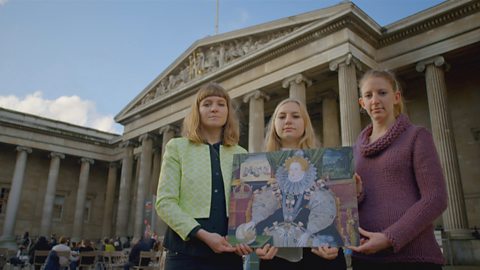
Queen Elizabeth I and her use of language as propaganda. video
This short film explores Elizabeth I's use of language to establish her power in an era of male rule.
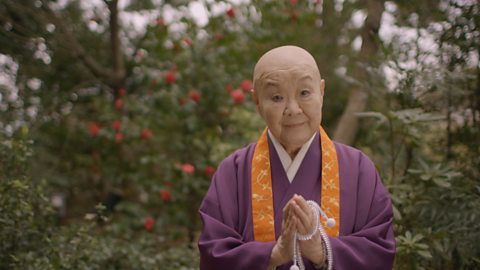
Buddhism and Shinto in Japan. video
This short film offers an introduction to Shinto, making reference to the centrality of women within Shinto beliefs.
An introduction to Confucianism. video
This short film offers a look at Confucian beliefs about social hierarchy and the place of women.
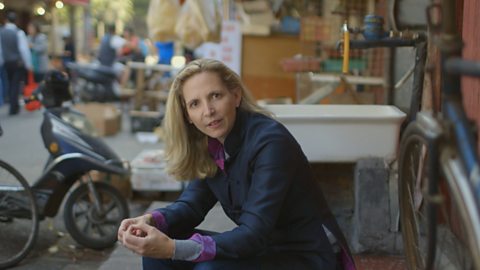
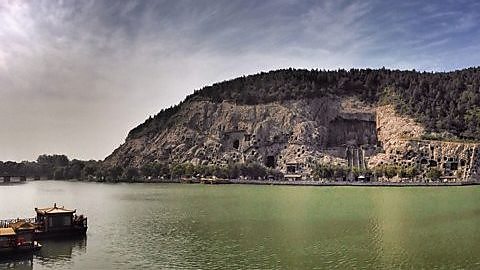
Buddhism and women in China. video
This short film features a discussion of the origins and development of Buddhism in China, with particular reference to women.
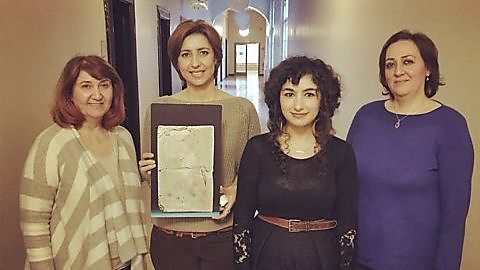
Where did the veil originate from? video
In this short film, the Assyrian original source of the veil is examined and assessed by contemporary women.
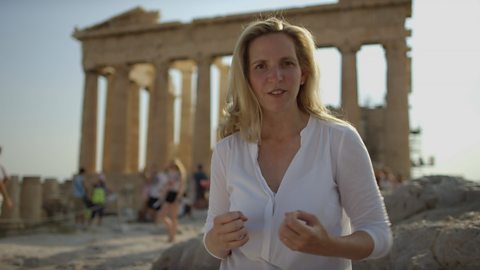
Women in Ancient Greece. video
Discover how the women of Ancient Greek Athens were not seen as equal as they are today in this short film for secondary schools.
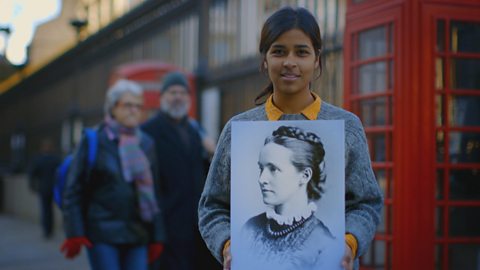
The fight for women’s education in Victorian Britain. video
This short film explores Millicent Fawcett’s campaign to empower British women through education.
How far did the USSR improve the status of women? video
This short film explores how the Soviet revolution sought to include women in their society as men’s equals.
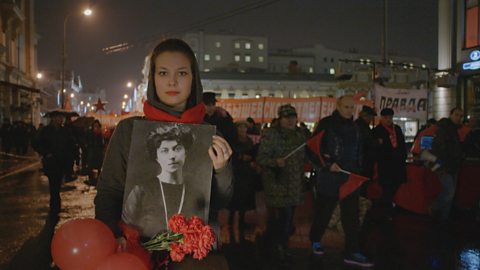
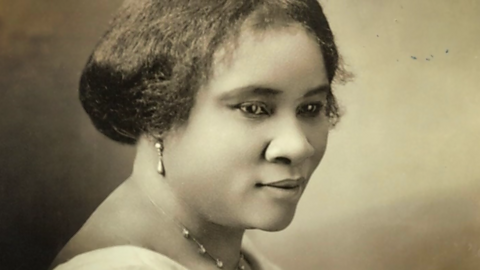
Madame C. J. Walker, the first female African American millionaire. video
The story of Madam C. J. Walker, who became the first African American female millionaire.
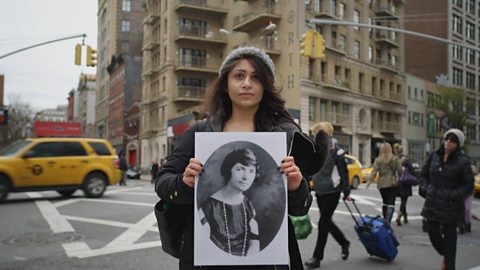
The development of the contraceptive pill. video
This short film explores Margaret Sanger’s development of the contraception pill and its impact on women’s lifestyles.
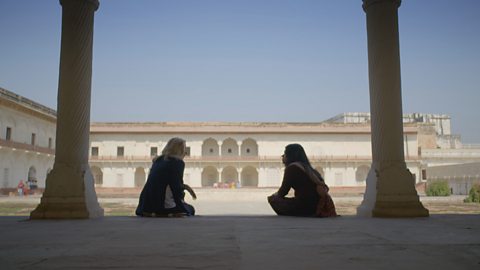
How Nur Jahan ruled the Mughal Empire. video
This short film offers an analysis of Nur Jahan’s realignment of women’s position in 16th century Mughal society.
Why were there witch hunts in the seventeenth century? video
This short film offers an analysis of the seventeenth century persecution of women as witches.
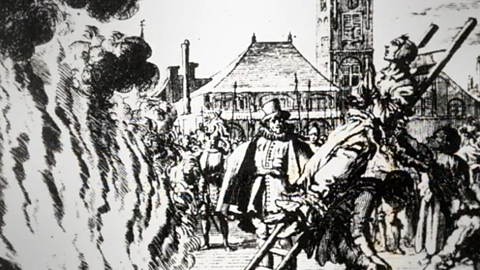
Women and the battle for equality in the church. video
This short film offers an analysis of Hildegard of Bingen, and how she furthered female rights in the medieval church.

How foot binding affected women in China. video
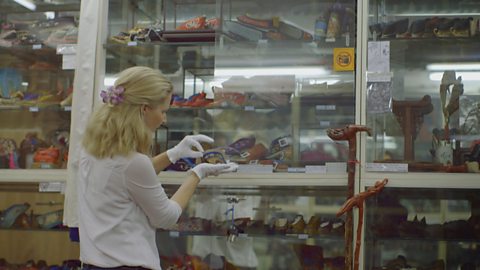
In this short film the practice of foot binding is explained and illustrated through interviews and artifacts.