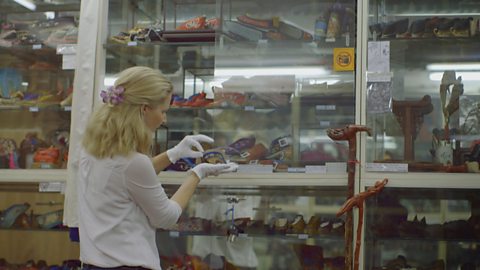
The Assyrian original source of the veil is examined and assessed by contemporary middle eastern women, who give their views and experiences of the veil to Dr. Amanda Foreman.
Using the original tablet, housed in Berlin, from the 112 laws from ancient Assyria, law 40 is identified as the first known veiling law.
Given its’ association with Islam, the significance of its’ origin from the twelfth century BC: before Christianity and Islam is perhaps surprising.
The law’s conditions and legacy throughout the world are assessed in the original context.
This short film is from the BBC Two series, The Ascent of Woman.
Teacher Notes
Before viewing this short film students could create a mind map of all they know about the veil.
They might also note down three key questions they would like answers to about the veil.
After viewing the video they can see their questions have been answered and discuss any unexpected information they found out.
Curriculum Notes
This short film is suitable for teaching history at KS3 and KS4/GCSE in England, Wales and Northern Ireland and Fourth Level and National 4 and 5 in Scotland.

More from The Ascent of Woman
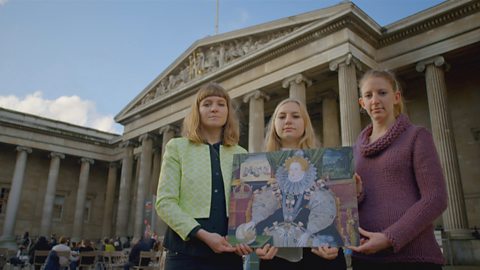
Queen Elizabeth I and her use of language as propaganda. video
This short film explores Elizabeth I's use of language to establish her power in an era of male rule.
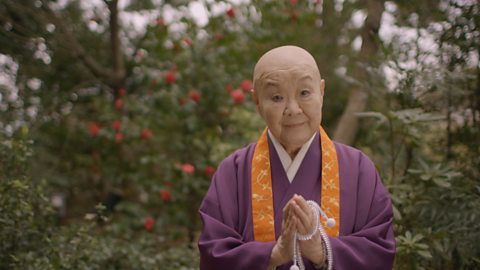
Buddhism and Shinto in Japan. video
This short film offers an introduction to Shinto, making reference to the centrality of women within Shinto beliefs.
An introduction to Confucianism. video
This short film offers a look at Confucian beliefs about social hierarchy and the place of women.
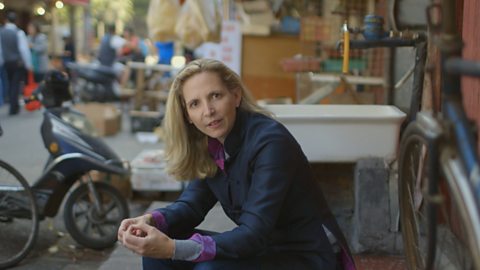
Buddhism and women in China. video
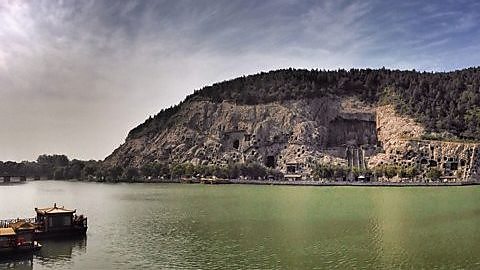
This short film features a discussion of the origins and development of Buddhism in China, with particular reference to women.
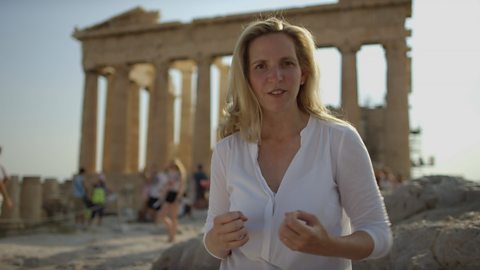
Women in Ancient Greece. video
Discover how the women of Ancient Greek Athens were not seen as equal as they are today in this short film for secondary schools.
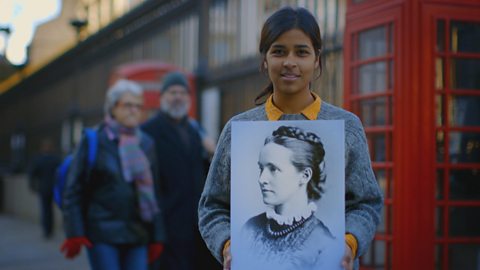
The fight for women’s education in Victorian Britain. video
This short film explores Millicent Fawcett’s campaign to empower British women through education.
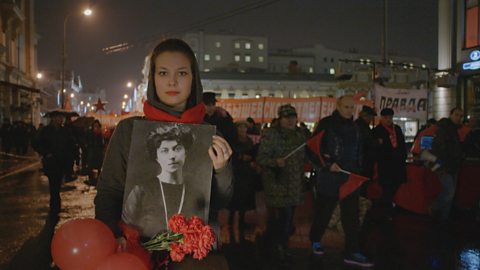
How far did the USSR improve the status of women? video
This short film explores how the Soviet revolution sought to include women in their society as men’s equals.
Madame C. J. Walker, the first female African American millionaire. video
The story of Madam C. J. Walker, who became the first African American female millionaire.
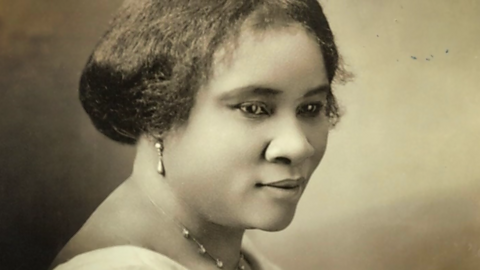
The development of the contraceptive pill. video
This short film explores Margaret Sanger’s development of the contraception pill and its impact on women’s lifestyles.
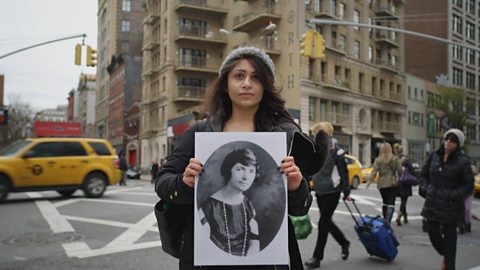
How Nur Jahan ruled the Mughal Empire. video
This short film offers an analysis of Nur Jahan’s realignment of women’s position in 16th century Mughal society.
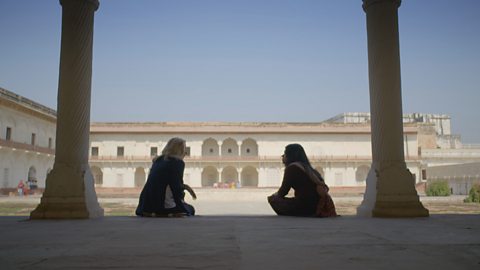
The fight for female rights in the French Revolution. video
This short film looks at the fight for female rights during the French Revolution, led by the activist Olympe de Gouges.

Why were there witch hunts in the seventeenth century? video
This short film offers an analysis of the seventeenth century persecution of women as witches.
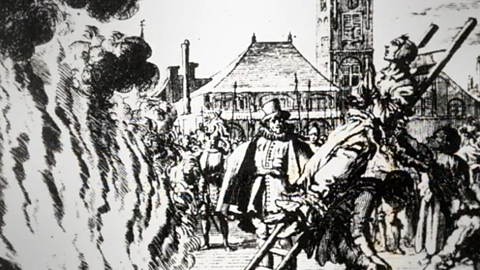
Women and the battle for equality in the church. video
This short film offers an analysis of Hildegard of Bingen, and how she furthered female rights in the medieval church.

How foot binding affected women in China. video
In this short film the practice of foot binding is explained and illustrated through interviews and artifacts.