QUINCE:Just keep it down when you get up there.
BOTTOM:Shh.
FLUTE:What if it's still there?
SNOUT:Shh!
QUINCE:Is all our company here?
BOTTOM:Yep.
STARVELING:Alright.
SNUG:Hello.
SNOUT:Yup.
FLUTE:Hiya!
BOTTOM:WOH-HOH!
SCREAMING AND LAUGHTER
HE LAUGHS
QUINCE:Is all our company here?
BOTTOM:You're best to call them generally, man by man, according to the script.
QUINCE:Masters, here is the scroll of every man's name, who is thought fit, through all Athens, to play in our interlude before the duke and the duchess, on his wedding day, at night.
BOTTOM:First, good Peter Quince, say what the play treats on, then read the names of your actors, and so grow on to a point.
QUINCE:Marry, our play is, "The most lamentable comedy "and most cruel death of Pyramus and Thisbe."
BOTTOM:Oh! A very good piece of work, I assure you, and a merry. Now, read the names of the actors. Masters, spread yourselves.
QUINCE:Answer as I call you. Nick Bottom, the weaver.
BOTTOM:Ready. Name what part I am for, and proceed.
QUINCE:You, Nick Bottom, are set down for Pyramus.
BOTTOM:Yes! What is Pyramus, a lover or a tyrant?
QUINCE:It is a lover who kills himself most gallant for love.
BOTTOM:That will ask some tears in the true performing of it. If I do it, let the audience look to their eyes. I will move storms. I will condole in some measure. To the rest. Yet, my chief humour is for a tyrant.
BOTTOM:I could play Ercles rarely, or a part to tear a cat in, to make all split.
BOTTOM:The raging rocks and shivering shocks shall break the locks of prison gates. And Phibbus' car shall shine from far and make and mar the foolish Fates.
QUINCE:Bravo!
BOTTOM:This was lofty! Now name the rest of the players.
QUINCE:Francis Flute.
QUINCE:This was Ercles' vein. A tyrant's vein. A lover is more condoling.
QUINCE:Francis Flute, the bellows-mender.
FLUTE:Here, Peter Quince.
QUINCE:You, Flute, must take Thisbe on you.
FLUTE:What is Thisbe? A wandering knight?
QUINCE:It is the lady that Pyramus must love!
FLUTE:Nay, faith, let not me play a woman. I have a beard coming.
QUINCE:That's all one. You may play it in a mask, and you may speak as small as you will.
BOTTOM:And I may hide my face, let me play Thisbe, too. I will speak in a monstrous little voice. "Thisne, Thisne!" "Oh, Pyramus, my lover dear! "Thy Thisbe dear, and lady dear!"
QUINCE:No, you must play Pyramus. And, Flute, you Thisbe.
BOTTOM:Well, proceed.
QUINCE:Robin Starveling, the tailor.
STARVELING:Here, Peter Quince.
QUINCE:You must play Thisbe's mother.
QUINCE:Ay, ay, ay, ay, ay. Tom Snout, the tinker.
SNOUT:Here, Peter Quince.
QUINCE:You, Pyramus' father. Myself, Thisbe's father.
QUINCE:Snug, the joiner. You, the lion's part. And I hope here is a play fitted.
SNUG:Have you the lion's part written? I pray you, if it be, give it me, for I am slow of study.
QUINCE:You may do it extempore, for it is nothing but roaring. Aar, aar, aar!
BOTTOM:Let me play the lion, too! I will roar that will do any man's heart good to hear me. I will roar that will make the duke say, "Let him roar again". Wooh! "Let him roar again!"
QUINCE:And you should do it too terribly you would fright the duchess and the ladies that they would shriek, and that were enough to hang us all.
ALL: They would hang us, every mother's son?!
BOTTOM:Granted, friends, if we were to fright the ladies out of their wits, they would have no more discretion but to hang us. But I will aggravate my voice, so that I will roar you as gently as any sucking dove.
BOTTOM:Rurr! Rurr! I will roar you, as 'twere any nightingale. Rurr!
QUINCE:You can play no part but Pyramus!
QUINCE:For Pyramus… Pyramus is a sweet-faced man. He's a proper man, as you shall see on a summer's day. A most lovely, gentleman-like man. Therefore, you must needs play Pyramus.
BOTTOM:Well, I will undertake it. What beard were I best to play it in?
QUINCE:Why, what you will.
BOTTOM:I will discharge it in either your straw-coloured beard, your orange-tawny beard, your purple-ingrained beard, or your French crown-coloured beard, your perfect yellow.
QUINCE:Some of your French crowns have no hair at all, and then you may play bare-faced. Bare-faced!
SNUG:Bare-faced!
QUINCE:Now, masters, here are your parts, and I must entreat you, request you, and desire you, to con them by tomorrow night. Rurr, rurr, rurr.
QUINCE:And meet me in the palace woods a mile without the town, by moonlight. There will we rehearse. If we meet in the city, we shall be dogged with company, and our devices known. In the meantime, I'll draw up a bill of properties such as our play wants. I pray you fail me not.
BOTTOM:We will meet, and there may we rehearse more obscenely and courageously. Take pains, be perfect. Adieu!
QUINCE:At the duke's oak we meet.
BOTTOM:Enough! Hold, or cut bow-strings.
ALL: Cut bow-strings!
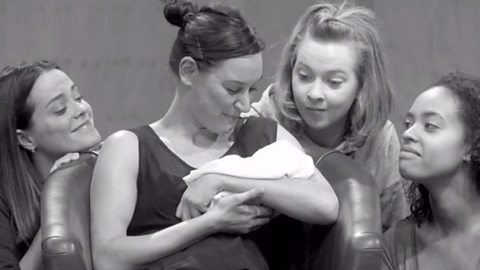
A group of working men meet to prepare a play for the court.
Quince tries to persuade each of them to take a part.
When some of the Mechanicals object, Bottom suggests that he can play all the parts.
This short film is from the BBC series, Shakespeare Unlocked.
Teacher Notes
This short film provides opportunity for discussion by demonstrating the contrast the Mechanicals offer to the rest of the characters in the play and how this provides comic relief.
As your students watch the scene ask them to jot down what they find out about:
- The play the Mechanicals are to perform.
- Why they are performing it; for whom?
- Who the characters in the play are; and what (where known) happens to them?
Discuss with your students who the Mechanicals are, what role they play in the text, and what purpose they serve dramatically.
Ask them to note down what else they found out about the Mechanicals:
- How will the Mechanicals perform this play (references to costumes; men playing women, and so on)?
- What is the audience meant to think about this play?
- Are we meant to take it seriously? If not, why?
Ask students to share their observations with the rest of the class.
After watching the scene, you could ask your students to reflect on how each character responded to the part they were given?
Who was enthusiastic? Who wasn't? Why?
What concerns did any of the characters raise?
As a class, share your observations.
Ask students to consider what all of the responses tell us about this group of characters?
What problems or challenges might this group of characters face as they begin to rehearse their play?
This short film is suitable for teaching GCSE English literature and drama in England, Wales and Northern Ireland and National 4/ 5 in Scotland.
More from Shakespeare Unlocked - A Midsummer Nights Dream
Act 1, Scene 2 - Clowning around (workshop) video
The company explore comic timing, playing for laughs and how to make Bottom funny.
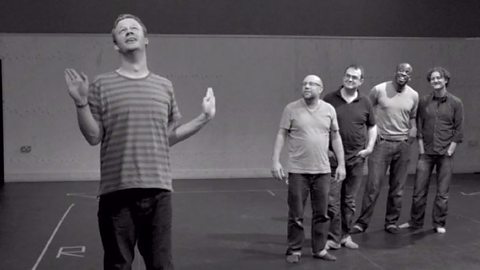
Act 1, Scene 2 - Quince v Bottom (workshop) video
Bottom and Quince battle to be the most important person present and experiment with playing the characters as high and low status.
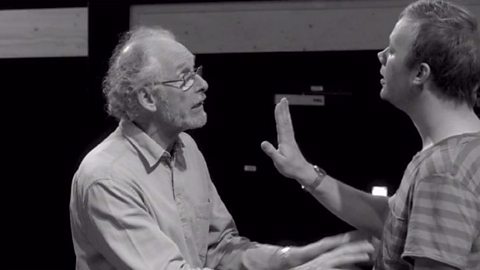
Act 2, Scene 1 - The Lovers. video
Demetrius goes to the woods to find Hermia, with Helena in hot pursuit.
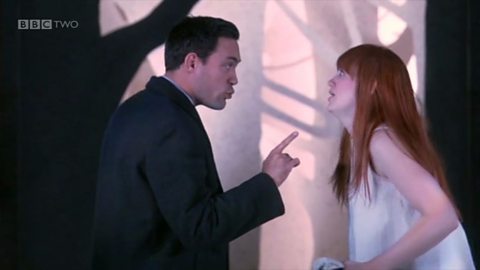
Act 2, Scene 1 - Helena and Demetrius (workshop) video
How might Helena and Demetrius have met and how might their relationship have developed?
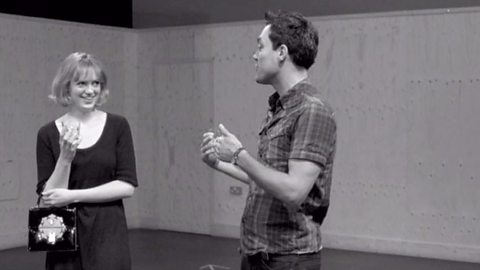
Act 2, Scene 1 - Playing Helena (workshop) video
Different ways of playing Helena: as victim, as temptress, or as a reasonable woman.
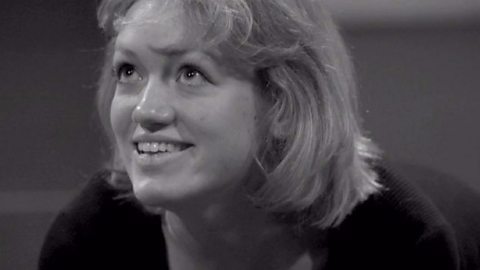
Act 2, Scene 1 - The Fairies. video
The King and Queen of the Fairies meet for the first time.
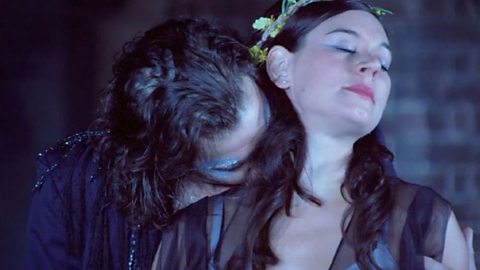
Act 2, Scene 1 - Ecological disaster (workshop) video
A look at how Titania shows Oberon the impact of their argument on the world, discussing Shakespeare's use of language and imagery.
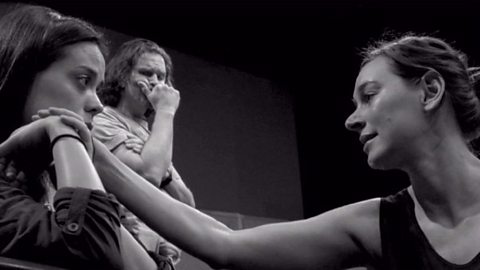
Act 2, Scene 1 - Titania crosses Oberon (workshop) video
A look at the importance of the child at the centre of Titania and Oberon's argument.