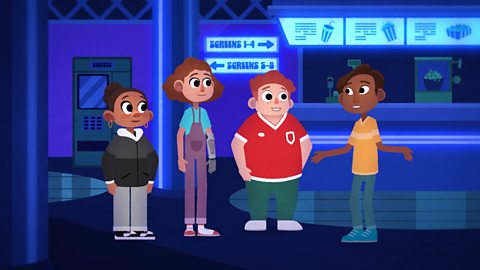
Mira:How much did you get for your birthday?
Sujit:Enough for that new game.
Mira:Bet he got loads.
Sujit:My gran gave me £20. Parents £30. My aunt sent me £15. Almostthere, time to finishhim! Then Ash remembered I owed him afiver. And took it back.
Computer:K.O.
Mira:Yes!
Sujit:Oh.Let me show you the new game I’m gonna get.
Mira:Yeah, I want to get a new new game too.How much is it?
Sujit:Err sixty big ones.
Mira:What?No way I’d spend all my birthday money on onegame.
Sujit:Mira it’s my destiny,and my birthday.
Mira:Sixty pounds is loads. This looks good and it’s only five quid.
Sujit:That’s five pounds a month. How long do you want it for?
Mira:I dunno, I played the first one for like a year. Oh, that’s sixtypounds. (tut) Now Sujit’s probably gonna tell me how that makeshis game look pretty sweet cause he gets to keep it.
Sujit:Ok so thats 12 times times5…No way that’s 60 quid.Ha, my game’s looking pretty sweet now hey Mira? And it’s mineto keep.
Mira:Oh, Dylan sent that free game he was talking about.
Sujit:Oh yeah,downloading…
Mira:Libby’s on here.
Sujit:Uh
Mira:She’s got all the upgrades.
Sujit:Uh Grrr.
Mira:She’sbeating you.
Sujit:Well two can play that game.It’s my birthday And I’ll beat… Libby if I want to.Yes, almost. Aaah no.Grrr.
Computer:You lose.
Mira:Well, that worked out well. I’m going to get this for a month andturn off auto renew. Then I can decide if I want to keep it forlonger or not.
Sujit:I’m going to get this. Did I mention it’s my birthday? No. Oh, it’snot going through.Weird.Let me just… OohAaahThat free game just cost me £12!Aaargh.
Video summary
This animated video explores the different ways you can pay for games, and other products, including by paying upfront or by subscription.
Sujit and Mira are playing a computer game and talk about games they want to buy.
Sujit wants to buy an expensive game while Mira wants a game that can be paid monthly for a cheaper price. Mira is happy with this as she can decide whether to keep it for longer or not.
Sujit gets carried away making in-app purchases whilst gaming and can't afford to buy the new game he wants.
This video is from the series Financial education.
Teacher Notes
Central or big idea
You can pay for games, and other products, in different ways including by paying upfront, by subscription, or by in-game or in-app purchases.
Questions to explore
- Why might some games be offered as free, but then include in-game purchases?
- What can help you to know which product or payment model (e.g. pay upfront or subscription) is the best value?
- What might influence someone’s decision about whether to pay upfront or in another way (repayment, subscription)?
Key learning outcomes (Young Enterprise Financial Education Planning Framework)
7-9 - Lower KS2
- I know that some things are better value for money than others.
- I can make comparisons between prices when deciding what is best value for money, including for services such as electricity, phones and the internet.
- I understand why making informed decisions will help me make the most of the money I have.
Key vocabulary and definitions
- In app / game purchases: purchases made in a game or app sometimes during game play
- Freemium/ free to play: games which are free to play but then often promote or require in game purchases
- Pay up front/ premium-priced: games which you pay for upfront (before you can play)
- Micro-payments: small payments
- Subscription models: games which you subscribe to paying a weekly, monthly or annual cost
- Auto-renew: when a subscription automatically renews and the cost continues to go out of your account
Suggested activities
Making predictions:
- Pause the video before Sujit and Mira make the choice to purchase. Ask the children to predict what choice they might make and why. What would your advice be? Continue to watch the film to see the choices they make. Ask the children: Do you agree or disagree with the choice they make? Why?
Rewrite the story:
- What could Mira and Sujit do to make sure they don’t fall into the same trap again? Create a storyboard/comic of the film with these choices and their impact.
Finding a solution:
- What could Sujit do to build up enough to afford the game again (save pocket money, do some jobs to earn it, borrow it, Mira could offer to pay).
- What would your advice be?
- Why?
Ideas for going further / links to other BBC resources
Going further:
- Being an informed consumer:
- Why do companies like to offer subscription models and in-game purchases?
- Can you think of other things people pay for on subscription?
Links to other BBC resources
- BBC Bitesize: KS2 Money
- Newsround: 'Don't let gaming take control of you'
- Newsround: Loot boxes: Gaming companies plan to reduce 'problem gambling' for kids
- Newsround: Why are in-game purchases a problem for young people?
1. Money and how we pay for things: bartering to online banking. video
This video explains how the ways that we pay for goods and services has changed over time.
2. Spending versus saving, and needs versus wants video
This video looks at how we have choices to make about how we spend and save our money.
3. Influencers: how they can affect our spending. video
Spending money can be influenced by other people, including friends and online influencers.
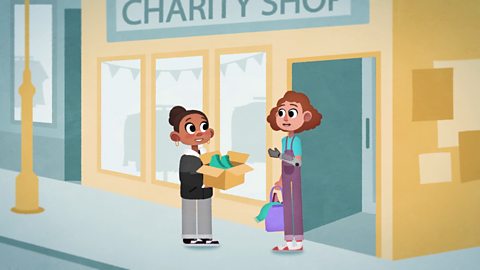
4. Helping others through actions, donations and spending. video
The impacts of helping others (by sharing, donating money or certain purchasing choices).
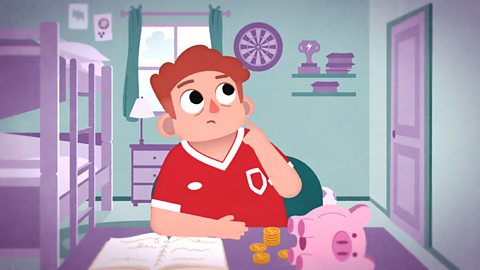
5. Keeping track of spending and savings: being wiser with my money. video
Keeping a record of what we spend and save helps us to stay in control of our money.
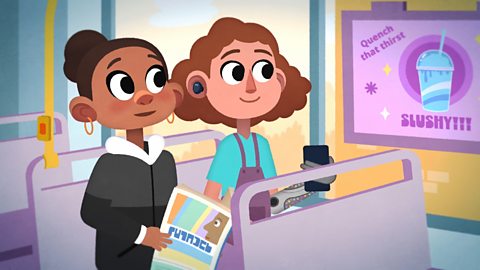
6. Advertising: how it can affect my buying choices. video
Advertisements can influence the decisions we make about how to spend our money.
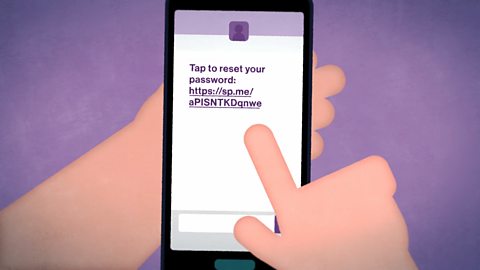
8. Online scams: protecting my money and personal details. video
A look at online scams – online scammers might appear to be connected to someone we know, but always check with the person offline to be sure.
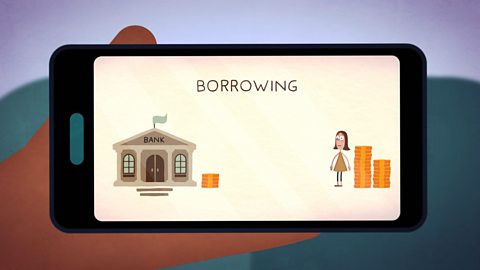
9. Saving and borrowing: the costs and benefits of interest. video
Interest is money which can be added to the money that we save or borrow.
10. Jobs: the link between work and money. video
We can earn money by having a job and different jobs pay different amounts.