A long time ago, before there was money people just swappedthings.
Two loaves of bread please, Derick.
That’ll be one sheep please.
This was called bartering. But there were problems with thissystem.
Only one loaf of bread today please.
That’ll be half a sheep please Maggie.
Mmm. Some things were not easy to divide up into smalleramounts. Eugh! Some things didn’t last very long. Some thingsweren’t easy to carry around. And some things could be difficultto store. CRUNCH What they needed was small things whichthey could carry around easily, and exchange for the things theywanted. In some parts of the world, they started to use shells andin others, beads. And then came coins. They had a fixed value soeveryone could agree what they were worth.
The usual,
Maggie? Yes please, Derick, one loaf.
Coins are great for small amounts. But if you’re buyingsomething that costs a lot of money… GROANS They are veryheavy. The answer to this problem was banknotes. Which aremuch lighter.
Derick has sold lots of bread and now he has lots ofbanknotes. He needs to keep them in a safe place so he doesn’tlose them. Derick takes his banknotes to a bank. They write howmuch money he has in a book. He can’t see his money but heknows it’s there. If Derick wants to buy some sheep from Maggiehe can go to the bank and take some money out. He gives her themoney and she gives him the sheep. Maggie would probably thenput the money in the bank, until she wants to spend it. All thatreally happened was that some money moved from Derrick’saccount at the bank to Maggie’s account.
A cheque makes this easier. It is a piece of paper that tells the bank that Derick wantsto move money from his account to Maggie’s. He signs it so theyknow it is really him that is sending the instruction. Maggiehands it to the bank and the money is transferred. Now the bookswith hand written numbers have been replaced by computersNow they don’t need to use coins, notes or cheques anymore.Because Maggie has a debit card.
The card reader sends amessage to the bank computer. The message tells the computerto move the money from her account to Derick’s. It’s just thesame as with banknotes or cheques, but the computer does it all,so it’s much quicker and easier. And there are other ways ofdoing this as well. She could use her phone. Or even her watch.Electronic money makes things quicker and easier, but are thereany disadvantages to it? How do you think we might pay forthings in the future? Do you think it would be possible to dowithout coins and notes altogether?
Video summary
This animated video explores the ways that we pay for goods and services has changed over time.
It begins with a look back at how the bartering system worked and evolved into using coins and giving things a fixed value so everyone could agree what they are worth.
Examples are given to explain how this led to the introduction of banks and, with advances in technology, electronic money.
This video is from the series Financial education.
Teacher Notes
Central or big idea
How we pay for goods and services has changed over time and continues to change.
Questions to explore
- How has the way we pay for things changed over time?
- Why did people begin to use coins and banknotes?
- Electronic money makes things quicker and easier, but are there any disadvantages to it?
- How do you think we might pay for things in the future?
Key learning outcomes (Young Enterprise Financial Education Planning Framework)
5-7 - KS1
- I know that money has developed in many different forms throughout history e.g. barter, coins, notes, etc.
- I can describe the many forms that money comes in today, and the variety of ways in which it can be used to pay for things.
- I understand that money will continue to develop in a variety of forms in the future.
7-9 - Lower KS2
- I know that cash is only one way to pay for goods and services.
- I can describe ways of paying that don’t involve cash e.g. debit cards, credit cards, online payments.
- I can explain why I might use an account e.g. bank, building society, credit union.
Key vocabulary and definitions
- Barter: exchange goods or services without money
- Exchange: to swap one thing for another, to give something and get something back
- Cheque: document that tells the bank to pay an amount of money from your account to someone else’s account
- Electronic money: money that is kept or transferred in banking computer systems (also referred to as digital money, digital currency, e-money)
Suggested activities
- Money timeline: Share a range of images which show the different ways money has developed over time. Create a timeline of the changes from bartering to paying with phones and watches. Ask children to think about why and how the changes came about.
- How we pay: Mind map and illustrate the ways we now pay for things. Which do we use more often? Which do we use less often? Why might this be?
- The future or money: Do you think it would be possible to do without coins and notes altogether? How do you think we might pay for things in the future? Invent a payment machine that would enable us to pay in that way.
Ideas for going further
- Explore the different ways money developed and continues to develop around the world.
Links to other BBC resources
2. Spending versus saving, and needs versus wants video
This video looks at how we have choices to make about how we spend and save our money.
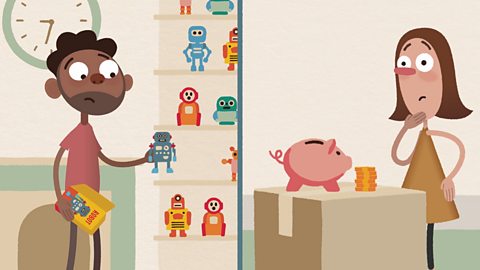
3. Influencers: how they can affect our spending. video
Spending money can be influenced by other people, including friends and online influencers.
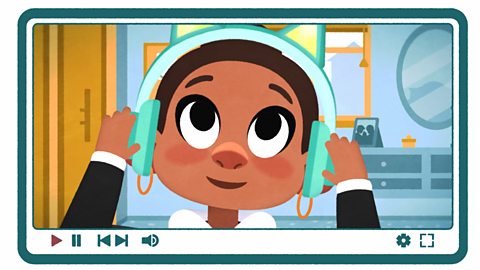
4. Helping others through actions, donations and spending. video
The impacts of helping others (by sharing, donating money or certain purchasing choices).
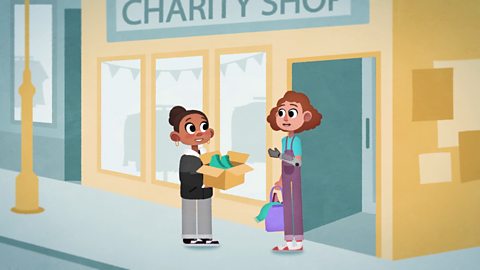
5. Keeping track of spending and savings: being wiser with my money. video
Keeping a record of what we spend and save helps us to stay in control of our money.
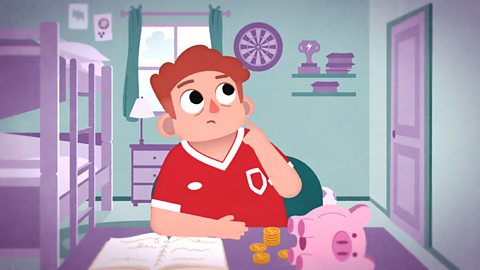
6. Advertising: how it can affect my buying choices. video
Advertisements can influence the decisions we make about how to spend our money.
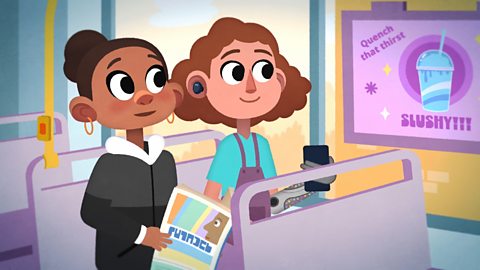
7. Gaming payment models. video
A look at gaming payment models: subscription, upfront and in-game purchases.
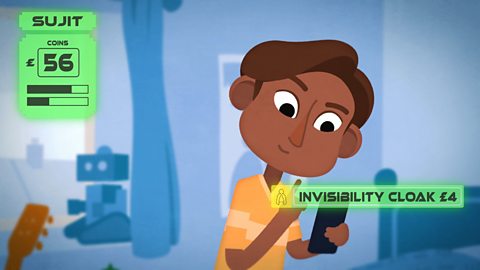
8. Online scams: protecting my money and personal details. video
A look at online scams – online scammers might appear to be connected to someone we know, but always check with the person offline to be sure.
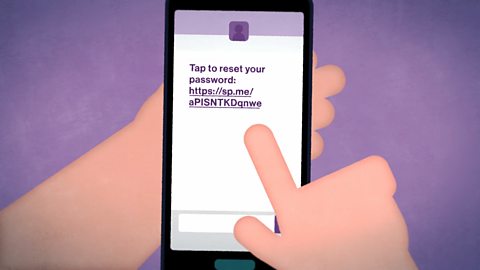
9. Saving and borrowing: the costs and benefits of interest. video
Interest is money which can be added to the money that we save or borrow.
10. Jobs: the link between work and money. video
We can earn money by having a job and different jobs pay different amounts.